Pest Control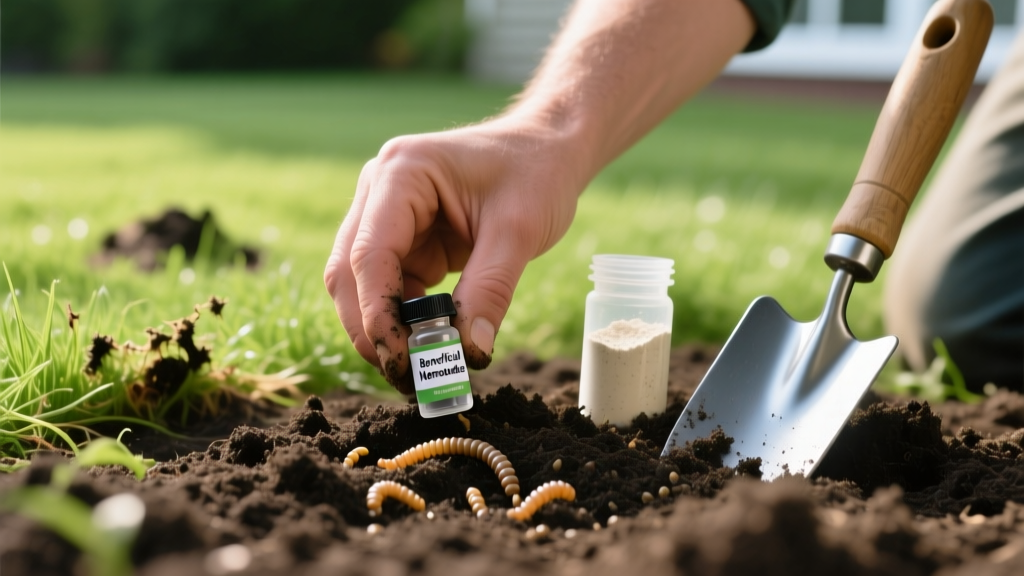
Effective and Budget-Friendly DIY Lawn Grub Control
Sarah ChenPublished
Understanding the Enemy: What Are Lawn Grubs?
Lawn grubs, commonly known as white grubs, are the immature, larval stage of various scarab beetles, including Japanese beetles, June bugs, and European chafers. These C-shaped, cream-colored pests live just beneath the soil surface, where they voraciously feed on the roots of your turfgrass. A healthy lawn can typically tolerate a small population of grubs, but when numbers exceed the threshold of about five to ten grubs per square foot, the damage becomes severe and highly visible. As the roots are severed, the grass loses its ability to absorb water and nutrients, leading to rapid decline and death.
Signs of a Grub Infestation
Before investing time and money into any pest control regimen, it is crucial to confirm that grubs are actually the culprit. According to Penn State Extension, look for these primary indicators:
- Irregular Brown Patches: Turf that turns brown in late summer or early fall, often starting in sunny areas.
- Spongy Turf: Grass that feels loose and can be rolled back like a carpet due to severed roots.
- Wildlife Activity: Increased digging by birds, skunks, raccoons, and moles searching for protein-rich larvae.
Unlike drought stress, grub-damaged turf will not respond to watering, and the root system will be visibly missing upon inspection. Additionally, you may notice an increase in wildlife activity. Birds, skunks, raccoons, and moles frequently tear up lawns in search of these protein-rich larvae, causing secondary damage that can sometimes be worse than the grubs themselves.
Why Choose Budget-Friendly DIY Solutions?
Professional chemical treatments and synthetic pesticides like imidacloprid or chlorantraniliprole can be highly effective, but they often come with a hefty price tag and potential environmental drawbacks. Hiring a professional lawn care service can cost hundreds of dollars per season. Furthermore, broad-spectrum chemical pesticides can harm beneficial soil organisms, earthworms, and local pollinators. Budget-friendly DIY solutions, particularly those rooted in Integrated Pest Management (IPM) and organic biology, offer a sustainable, cost-effective alternative. By leveraging natural predators and targeted biological controls, you can eradicate grubs while maintaining a safe environment for children, pets, and local wildlife.
Method 1: Beneficial Nematodes (Biological Warfare)
Beneficial nematodes are microscopic, unsegmented roundworms that occur naturally in soils worldwide. When applied to your lawn, specific species of these nematodes actively seek out and infect soil-dwelling pests, including white grubs. Once inside the grub, the nematodes release a bacterium that kills the host within 24 to 48 hours. The nematodes then reproduce inside the dead grub and emerge to hunt for new prey.
For grub control, the most effective species is Heterorhabditis bacteriophora (Hb). Unlike some other nematodes that ambush their prey, Hb nematodes are active cruisers, making them exceptionally efficient at locating grubs deep in the soil profile.
Application and Cost Breakdown
You can purchase live beneficial nematodes online or at specialized garden centers. A standard package containing 10 million nematodes typically costs between $35 and $45, which is enough to treat approximately 2,000 to 3,000 square feet of lawn. This translates to roughly $15 per 1,000 square feet—a fraction of the cost of professional chemical applications.
Timing and application are critical for success. Nematodes must be applied when grubs are young and actively feeding near the soil surface, usually in late summer or early fall. Soil temperatures must be consistently above 60°F. Because nematodes are living organisms, they are highly sensitive to UV light and desiccation. You must apply them in the early evening or on an overcast day, and immediately water the lawn to wash them into the soil. The soil must remain moist for at least two weeks following application to ensure the nematodes survive and complete their life cycle.
Method 2: Milky Spore (The Long-Term Investment)
Milky spore disease, caused by the bacterium Paenibacillus popilliae, is a highly specific biological control that targets only Japanese beetle grubs. When a grub ingests milky spore spores while feeding on grass roots, the bacteria multiply rapidly inside its body, causing the grub's hemolymph (blood) to turn a milky white color. The grub eventually dies and disintegrates, releasing billions of new spores back into the soil to infect future generations.
How to Apply Milky Spore
Milky spore is available in powder or granular form. The initial investment is higher than nematodes, with a 20-ounce box of powder (treating up to 7,000 square feet) costing around $40 to $50. However, as noted by experts at the University of Massachusetts Amherst, milky spore can remain viable in the soil for 10 to 15 years, making it an incredibly cost-effective long-term solution.
To apply the powder, use a specialized drop applicator or simply place a teaspoon of the powder on your lawn in a grid pattern, spacing the applications about four feet apart. Water the area thoroughly after application to settle the spores into the soil. It is important to note that milky spore takes two to three years to build up to effective levels in the soil, so it is best used as a preventative, long-term strategy rather than a quick fix for an active, severe infestation. Furthermore, it will not control the larvae of June bugs or European chafers.
Method 3: The DIY Soap Flush (For Spot Treatments)
If you only have a few small, localized brown patches and want to confirm the presence of grubs without spending any money, a DIY soap flush is the perfect diagnostic and control tool for minor issues. Mix two tablespoons of standard liquid dish soap with one gallon of water in a watering can. Pour this solution over a one-square-yard section of the lawn's damaged edge. The soap irritates the grubs' skin, forcing them to surface within five to ten minutes. Once they emerge, you can manually remove them and drop them into a bucket of soapy water, or simply leave them on the surface for local birds to consume. This method costs pennies and provides immediate, undeniable confirmation of your pest problem.
Comparison Chart: DIY Grub Control Methods
| Method | Target Pests | Est. Cost per 1k Sq Ft | Longevity | Best Time to Apply |
|---|---|---|---|---|
| Beneficial Nematodes (Hb) | Most white grubs | $12 - $18 | 1 Season | Late Summer / Early Fall |
| Milky Spore Powder | Japanese beetle grubs only | $6 - $8 (initial) | 10 - 15 Years | Spring or Fall |
| DIY Soap Flush | All surface grubs | < $0.10 | Immediate (Spot) | Anytime grubs are active |
Budget-Friendly Cultural Prevention Strategies
The most cost-effective pest control method is prevention. By altering the environment to make it less hospitable to egg-laying beetles and young grubs, you can drastically reduce the need for intervention.
First, adjust your mowing height. Adult Japanese beetles and June bugs prefer to lay their eggs in short, closely cropped turf where the soil is warm and exposed. By raising your mower deck to a height of 3 to 4 inches, you create a cooler, shadier soil environment that deters egg-laying. Taller grass also develops deeper, more robust root systems that can tolerate minor grub feeding without showing visible damage.
Second, modify your irrigation schedule. Grub eggs and young larvae require consistent soil moisture to survive. According to Michigan State University Extension, allowing your lawn to enter a state of mild drought stress during the peak egg-laying months of July and August can naturally desiccate and kill a significant percentage of grub eggs. Instead of frequent, shallow watering, practice deep and infrequent irrigation to encourage deep root growth while allowing the top layer of soil to dry out between waterings.
Pro Tip: Never apply milky spore or beneficial nematodes to a lawn that has recently been treated with synthetic chemical pesticides, as the residual chemicals can kill the beneficial organisms before they have a chance to work.
Conclusion
Managing lawn grubs does not require a massive budget or harsh synthetic chemicals. By understanding the life cycle of the pests and utilizing budget-friendly DIY solutions like beneficial nematodes, milky spore, and targeted cultural practices, you can protect your turf effectively. Integrated Pest Management relies on working with nature rather than against it, ensuring your lawn remains a safe, thriving, and affordable ecosystem for years to come.