Home & Garden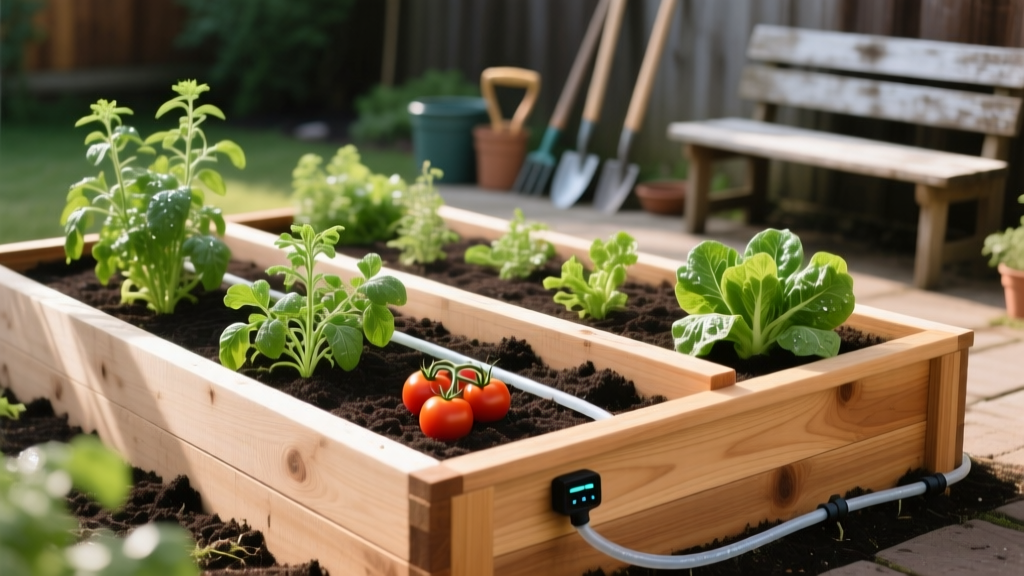
Budget Guide: Building a Garden-to-Table Raised Bed Kitchen Garden
Emily WatsonPublished
Introduction to the Garden-to-Table Budget
The garden-to-table movement has fundamentally transformed how homeowners view their outdoor spaces. No longer just a place for ornamental landscaping, the modern backyard is increasingly viewed as a functional extension of the kitchen. Growing your own herbs, leafy greens, and seasonal vegetables offers unparalleled flavor and nutritional value, but it also requires a strategic financial approach. Whether you are looking to offset rising grocery costs or simply want the satisfaction of harvesting your own meals, understanding the true costs of building a raised bed kitchen garden is essential.
Many first-time gardeners make the mistake of underestimating the ancillary costs associated with soil, irrigation, and seasonal maintenance. This comprehensive cost and budgeting guide will break down the exact expenses of building a standard 4-foot by 8-foot raised bed system, integrating smart home irrigation, and calculating your long-term return on investment (ROI). By the end of this guide, you will have a clear, actionable budget to bring your garden-to-table vision to life without breaking the bank.
Breaking Down the Costs of Raised Bed Materials
The physical structure of your raised bed is your largest upfront capital expense. The material you choose will dictate not only your initial budget but also the lifespan and maintenance requirements of your garden. For a standard 4x8-foot bed, the most common depth is 11 inches, which provides ample root space for most kitchen garden staples like tomatoes, peppers, and root vegetables.
| Material | Average Cost (4x8 Bed) | Estimated Lifespan | Pros and Cons |
|---|---|---|---|
| Untreated Cedar | $150 - $250 | 10 - 15 Years | Natural rot and insect resistance; higher upfront cost. |
| Galvanized Steel | $120 - $180 | 20+ Years | Highly durable, modern aesthetic; can heat soil in extreme summer climates. |
| Composite Timber | $250 - $350 | 25+ Years | Zero maintenance, no rotting; most expensive option, can bow under soil weight. |
| Concrete Blocks | $80 - $120 | Lifetime | Cheapest and permanent; alters soil pH over time, requires heavy labor. |
For the best balance of cost, safety, and longevity, untreated cedar remains the gold standard for organic garden-to-table projects. While galvanized steel kits have surged in popularity due to their ease of assembly and lower price point, gardeners in hot southern climates should be aware that metal edges can raise soil temperatures, potentially stressing shallow-rooted crops like lettuce and spinach.
The Hidden Costs: Soil, Compost, and Amendments
The most frequently overlooked expense in any landscaping or gardening budget is the soil itself. You cannot simply dig up dirt from your yard and fill a raised bed; native soil is often too dense, lacks proper drainage, and may contain pathogens or weed seeds. According to the University of Maryland Extension, a high-quality raised bed requires a porous, nutrient-rich medium that retains moisture while allowing excess water to drain freely.
To fill a standard 4x8-foot bed that is 11 inches deep, you will need approximately 29.5 cubic feet of soil. Here is how the budgeting breaks down based on your sourcing method:
- Bagged Soil (Retail): Purchasing premium organic raised bed mix in 1.5-cubic-foot bags will cost between $8 and $12 per bag. You will need 20 bags, bringing the total to $160 - $240. This is convenient but highly expensive for multiple beds.
- Bulk Delivery (Landscape Supply): Ordering a custom 'garden mix' (typically 50% topsoil, 30% compost, 20% sand or perlite) by the cubic yard is vastly more economical. One cubic yard (27 cubic feet) costs between $40 and $70, plus a delivery fee of $50 to $100. Total cost: $90 - $170.
- The 'Mel's Mix' DIY Approach: Popularized by square-foot gardening, this involves mixing equal parts peat moss (or coco coir), coarse vermiculite, and blended compost. Sourcing these raw materials in bulk bales will cost approximately $120 - $150 per bed and yields superior moisture retention.
Budgeting Pro-Tip: Always call local municipal composting facilities or county waste management centers. Many offer high-quality, locally produced leaf humus or compost for a fraction of the cost of private landscape suppliers, sometimes even allowing you to load it yourself for free or under $20 a ton.
Smart Home Integration: Budgeting for Drip Irrigation
Watering efficiency is where garden budgets either thrive or leak away. Hand-watering a kitchen garden is time-consuming and often leads to uneven soil moisture, which can cause issues like blossom end rot in tomatoes. Upgrading to a smart drip irrigation system bridges the gap between outdoor landscaping and indoor smart home automation.
The EPA WaterSense program highlights that drip irrigation systems deliver water directly to the root zone with up to 90% efficiency, compared to traditional sprinklers which lose massive amounts of water to wind and evaporation. Here is a realistic budget for automating a 4x8 raised bed:
- Smart Hose Timer: Devices like the Orbit B-hyve or Rachio Smart Hose Timer connect to your home Wi-Fi, adjusting watering schedules based on local weather forecasts and rain delays. Budget: $60 - $120.
- Drip Line Kit: A comprehensive kit including a pressure regulator, filter, mainline tubing, and adjustable drip emitters for individual plants. Budget: $35 - $60.
- Soaker Hoses (Alternative): A lower-tech, budget-friendly alternative that weeps water along its entire length. Budget: $15 - $25.
By investing roughly $100 to $180 into a smart drip system, you not only save hours of manual labor but also reduce your outdoor water consumption by 30% to 50% over the course of the growing season, effectively allowing the system to pay for itself in utility savings within two years.
Garden-to-Table Planting: Seeds vs. Starter Plants
When it comes to the actual crops, your budget will be heavily influenced by whether you choose to sow seeds directly or purchase nursery starter plants (transplants). A well-planned kitchen garden utilizes a hybrid approach to maximize both budget and yield.
Direct Sowing (Seeds): Crops like carrots, radishes, beans, peas, and leafy greens should always be grown from seed. A single packet of organic, non-GMO seeds costs between $3.00 and $5.00 and contains anywhere from 50 to 300 seeds. The cost per plant is mere pennies.
Transplants (Starts): Long-season crops like tomatoes, peppers, and eggplants are best purchased as 4-inch nursery starts unless you have the indoor space and grow lights to start them 8 weeks before the last frost. Nursery starts cost between $4.00 and $7.00 per plant. For a bed requiring six tomato plants, budget roughly $35.00.
By allocating $50 to $75 per season for a mix of premium seeds and essential transplants, you can fully stock a 4x8 bed with a diverse, culinary-grade harvest.
Seasonal Maintenance and Winterization Costs
A true budgeting guide must account for the ongoing operational costs of maintaining a garden. Unlike static hardscaping, a kitchen garden is a living ecosystem that requires seasonal inputs.
- Spring Soil Amendment ($20 - $40): Each spring, you must replenish the organic matter consumed by the previous year's crops. Budget for a few bags of granular organic fertilizer (like Espoma Garden-tone) and a top-dressing of fresh compost.
- Mulching ($15 - $30): Applying a layer of organic straw or shredded leaf mulch suppresses weeds and retains moisture. Avoid dyed hardwood mulches in vegetable beds, as they can introduce unwanted chemicals to your food supply.
- Winterization ($0 - $20): If you are using a smart hose timer, you must bring it indoors before the first freeze to prevent the internal valves from cracking. Covering the bed with a reusable canvas tarp or planting a cheap winter cover crop (like crimson clover, $10 per bag) protects the soil structure from winter erosion.
Long-Term ROI: How Much Money Does a Kitchen Garden Save?
The ultimate question for any home and garden budgeting project is the return on investment. Does growing your own food actually save money? The answer is a resounding yes, provided you focus on high-yield, high-value crops.
As noted by NC State Extension, raised beds allow for intensive planting methods, such as square-foot gardening, which drastically increases the yield per square foot compared to traditional row cropping. A single healthy indeterminate tomato plant can yield 20 to 30 pounds of fruit over a season. At organic grocery prices of $4.00 per pound, that single $5.00 nursery start generates $80 to $120 in grocery equivalents.
Similarly, culinary herbs like basil, thyme, and rosemary are incredibly expensive to purchase in small plastic clamshells at the supermarket (often $3.00 for a single ounce) but cost almost nothing to grow continuously in a raised bed. By focusing your garden-to-table efforts on these high-margin crops rather than cheap staples like potatoes or onions, a single 4x8 raised bed can easily generate $400 to $800 worth of organic produce in its first year.
Conclusion: Finalizing Your Garden Budget
Building a garden-to-table raised bed kitchen garden is an investment in your health, your home's landscape, and your culinary lifestyle. To summarize, a homeowner should budget approximately $350 to $550 for the first year to cover a premium cedar bed, bulk organic soil, a smart drip irrigation system, and a diverse selection of seeds and starts. In subsequent years, your maintenance costs will drop to under $100 annually for soil amendments, seeds, and seasonal upkeep.
By carefully selecting your materials, leveraging bulk soil delivery, and integrating smart home water conservation technology, you can create a thriving, energy-efficient outdoor kitchen garden that pays for itself in both financial savings and unparalleled flavor. Plan your budget wisely, and your garden will serve as the ultimate bridge between your outdoor landscape and your dining room table.
