Gardening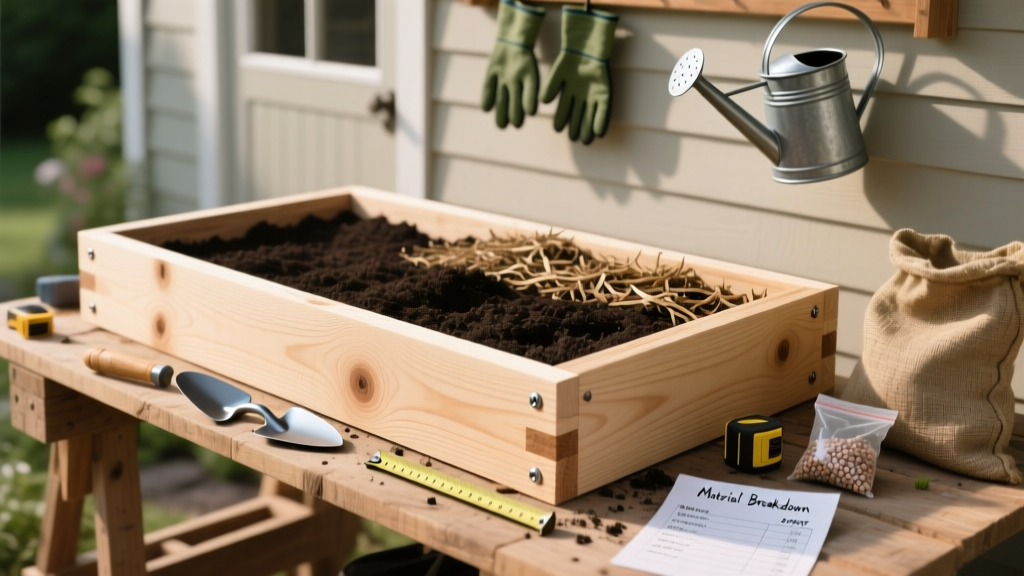
Budget Raised Bed Gardening: Build and Fill for Under $100
Anna KowalskiPublished
The True Cost of Raised Bed Gardening
Building a raised garden bed is one of the most effective ways to improve drainage, control soil quality, and reduce weed pressure in your home garden. However, a quick trip to the local home improvement store can easily turn a dream garden project into a budget-busting nightmare. Between the cost of lumber, hardware, and dozens of bags of premium potting mix, the expenses add up rapidly. According to the Oregon State University Extension Service, the initial setup cost for raised beds is significantly higher than traditional in-ground gardening, but the long-term yields and soil management benefits often justify the investment. But how do you keep that initial investment as low as possible? This comprehensive cost and budgeting guide will walk you through exactly how to build and fill a standard 4x8-foot raised garden bed for under $100, without sacrificing the structural integrity or soil health your vegetables need to thrive.
Planning Your Raised Bed Dimensions
Before purchasing a single piece of lumber, you must determine the optimal dimensions for your budget. The most cost-effective standard size for a raised bed is 4 feet wide by 8 feet long. Why? Because dimensional lumber is sold in 8-foot lengths. By choosing a 4x8 footprint, you eliminate the need to make complex cuts or purchase extra boards to piece together the sides.
For depth, a 12-inch tall bed is the sweet spot for budget-conscious gardeners. It requires fewer boards than a 24-inch bed and provides ample room for shallow to medium-rooted crops like lettuce, radishes, bush beans, and peppers. If you plan to grow deep-rooted crops like carrots or parsnips, you can always loosen the native soil beneath the bed before adding your raised bed soil.
Framing Materials: What to Buy and What to Avoid
The frame is your largest upfront expense. While cedar and redwood are the gold standards for rot resistance, they are prohibitively expensive for a strict budget. Untreated pine or whitewood is the most economical choice, but it will rot within three to five years unless treated or lined. Let us compare the material costs for a standard 4x8-foot bed that is 12 inches tall. This requires two 2x12x8 boards and four 4x4 corner posts cut to 12-inch lengths.
| Material Type | Estimated Cost | Lifespan | Budget Verdict |
|---|---|---|---|
| Untreated Pine (2x12) | $35 - $45 | 3-5 Years | Best for strict budgets |
| Cedar (2x12) | $120 - $160 | 10-15 Years | Too expensive for under $100 |
| Composite / PVC | $200+ | 20+ Years | Not budget-friendly |
| Corrugated Metal | $60 - $80 | 15+ Years | Great alternative if wood is pricey |
To extend the life of cheap untreated pine without using toxic chemical treatments, line the inside walls of the bed with heavy-duty builder plastic or reclaimed cardboard. This creates a moisture barrier that prevents wet soil from constantly contacting the wood, easily doubling the lifespan of your budget lumber.
The Soil Dilemma: Bagged vs. Bulk vs. Foraged
Filling a 4x8-foot bed that is 12 inches deep requires exactly 32 cubic feet of soil. This is where most novice gardeners blow their budgets. A standard 1.5-cubic-foot bag of raised bed soil costs around $4 to $6 at big-box stores. To fill 32 cubic feet using only bagged soil, you would need roughly 22 bags, costing between $88 and $132. That single expense obliterates a $100 total budget before you even buy seeds.
When filling raised beds, purchasing soil and compost in bulk from local landscape supply yards is significantly more cost-effective and environmentally friendly than purchasing bagged materials for any project exceeding 16 cubic feet. - Oregon State University Extension Service
Strategy 1: The Hugelkultur Base
Hugelkultur is a traditional German gardening technique that involves burying rotting wood and organic debris beneath your topsoil. By filling the bottom 4 to 6 inches of your raised bed with fallen branches, twigs, dried leaves, and grass clippings, you drastically reduce the volume of purchased soil needed. This decaying wood acts like a sponge, retaining moisture and slowly releasing nutrients into the root zone over several years.
Strategy 2: Bulk Sourcing and DIY Blends
Instead of buying bagged soil, source materials in bulk. Purchase compost and topsoil in bulk from local landscape supply yards. For the ultimate budget blend, use the Hugelkultur base for the bottom 4 inches (saving roughly 10 cubic feet of volume). For the remaining 22 cubic feet, purchase a half-yard of bulk screened topsoil from a local yard (usually around $25) and mix it with three or four bags of high-quality organic compost ($15) to ensure adequate drainage and microbial life.
| Filling Strategy | Materials Needed | Estimated Cost | Total Volume |
|---|---|---|---|
| 100% Bagged Raised Bed Soil | 22 bags (1.5 cu ft each) | $110.00 | 32 cu ft |
| Hugelkultur Base + Bagged Top Layer | Wood/leaves (free) + 12 bags soil | $60.00 | 32 cu ft |
| Bulk Topsoil + Bagged Compost | 1/2 yard bulk topsoil + 8 bags compost | $55.00 | 32 cu ft |
| DIY Budget Blend (Best Value) | Free wood base + Bulk compost + Peat | $40.00 | 32 cu ft |
Hardware, Irrigation, and Hidden Costs
When budgeting, it is easy to forget the small items that hold the project together. You will need exterior-grade screws to secure the boards to the corner posts. A box of 2.5-inch exterior wood screws costs about $8. Do not use standard interior drywall screws or galvanized nails, as they will rust and fail within a single season of exposure to moist soil and fertilizers.
Corner brackets are another hidden cost. While metal L-brackets can add structural rigidity, they can cost $3 to $5 each. To save money, use scrap 2x4 wood blocks cut into 10-inch lengths to serve as interior corner braces. Screw through the outside of the bed boards directly into these wooden blocks.
Weed barrier fabric is frequently sold at garden centers for $20 a roll. Skip this entirely. Instead, save your cardboard boxes from grocery deliveries, break them down, and lay them flat on the grass inside the bed frame before adding your wood and soil. Cardboard is free, biodegradable, and effectively smothers existing grass and weeds while allowing earthworms to migrate up into your new bed.
Sourcing Free Amendments and Mulch
Once your bed is built and filled, you need to protect the soil surface and feed your plants. Mulch is essential for moisture retention and weed suppression, but bagged wood chips or straw can cost $5 to $8 per bag. Contact local arborists or tree trimming services in your area. They are often looking for places to dump wood chips for free to avoid landfill fees. A single load will provide more than enough mulch for your raised beds and pathways for the entire season. Alternatively, many municipal waste management facilities offer free compost or leaf mold to residents who bring their own buckets and shovels.
Maximizing ROI: What to Grow on a Budget
To truly respect your budget, you must consider the return on investment of the crops you plant. Growing potatoes or onions in a raised bed is a poor financial decision, as they are incredibly cheap to buy at the grocery store and take up massive amounts of space. Instead, maximize your 4x8 footprint by growing high-yield, high-value crops. Cherry tomatoes, pole beans, fresh herbs like basil and cilantro, and gourmet salad greens offer the highest financial return per square foot. A single packet of heirloom tomato seeds costs $3 but can yield over $50 worth of produce in a single season.
Summary: The Ultimate Under-$100 Shopping List
Let us tally up the final receipt for our budget-friendly 4x8 raised bed project to prove it can be done without sacrificing quality.
- Two 2x12x8 Untreated Pine Boards: $36.00
- One 4x4x8 Untreated Post (Cut into four 12-inch corner blocks): $12.00
- Box of 2.5-inch Exterior Wood Screws: $8.00
- Cardboard (Sourced from local stores): $0.00
- Fallen Branches and Leaves (Hugelkultur base): $0.00
- 1/2 Cubic Yard Bulk Screened Topsoil: $25.00
- Four 1-cu-ft Bags Organic Compost: $16.00
- Total Estimated Cost: $97.00
Conclusion
Gardening should be a source of joy and sustenance, not financial stress. By leveraging standard lumber dimensions, utilizing the Hugelkultur technique to reduce soil volume, and sourcing bulk materials instead of expensive bagged mixes, you can establish a highly productive 4x8 raised garden bed for under $100. With your budget intact, you can invest the money you saved into high-quality heirloom seeds, seasonal fertilizers, and the eventual harvest of your labor.
