Gardening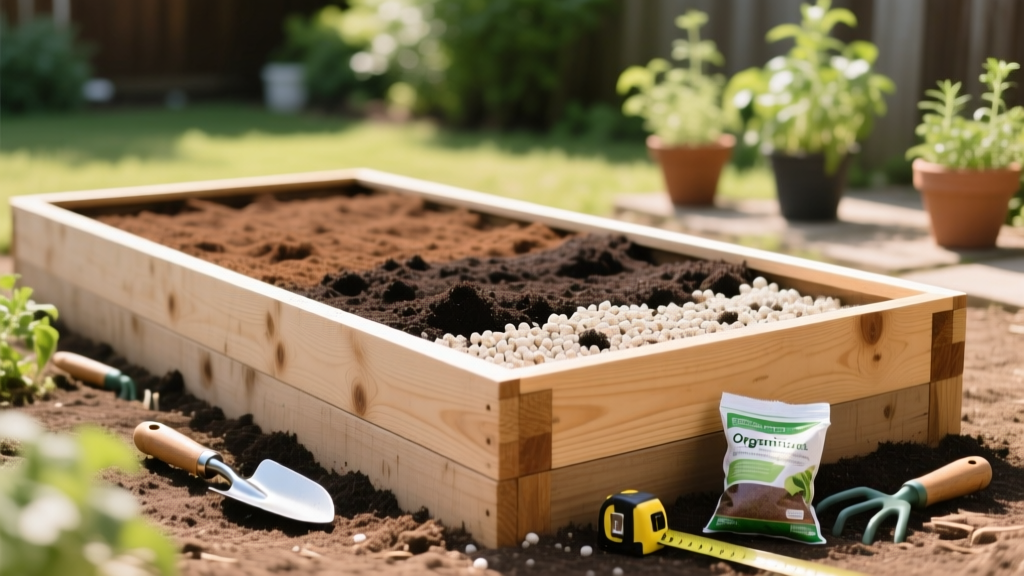
Budget Raised Bed Gardening: Build and Fill for Under $100
Lisa ThompsonPublished
The True Cost of Raised Bed Gardening
Raised bed gardening has surged in popularity among homeowners looking to take control of their food sources, improve soil quality, and reduce the physical strain of traditional in-ground farming. According to the National Gardening Association, a well-maintained food garden can yield up to $600 in fresh produce annually, offering a fantastic return on investment. However, the initial sticker shock of building and filling raised beds often deters beginners. A standard 4x8-foot commercial raised bed kit can cost upwards of $200, and filling it with bagged premium soil can add another $150 to the bill. Fortunately, with strategic material selection, clever volume-reduction techniques, and smart timing, you can easily build and fill a highly productive 4x8-foot raised bed for under $100. This comprehensive cost and budgeting guide will walk you through every expense, helping you maximize your garden's yield while minimizing your financial footprint.
Material Costs: Choosing the Right Lumber
The largest upfront expense in raised bed construction is the framing material. While cedar and composite materials are heavily marketed for their longevity, they are budget-killers. For a strict budget build, untreated pine or hemlock is your best option. To build a standard 4x8-foot bed that is 10 inches deep, you will need three 2x10x8-foot boards (one cut in half for the ends). Below is a cost comparison of common framing materials based on average national home improvement store pricing.
| Material Type | Cost Per 2x10x8 Board | Total Cost for 4x8 Bed | Estimated Lifespan |
|---|---|---|---|
| Untreated Pine / Hemlock | $12.00 | $36.00 | 3 to 5 years |
| Corrugated Metal + Wood Frame | $45.00 (Metal) + $24 (Wood) | $69.00 | 10 to 15 years |
| Western Red Cedar | $38.00 | $114.00 | 7 to 12 years |
| Composite / Recycled Plastic | $65.00+ | $195.00+ | 20+ years |
For the budget-conscious gardener, untreated pine at $36 total is the clear winner. To extend the lifespan of pine without resorting to toxic chemical treatments, line the interior walls of the bed with heavy-duty contractor-grade polyethylene plastic (costing roughly $8). This creates a moisture barrier that prevents the wet soil from constantly touching the wood, effectively doubling the lifespan of your pine boards and pushing your total framing cost to just $44.
The Hugelkultur Hack: Slashing Soil Costs in Half
Filling a 4x8-foot raised bed that is 10 inches deep requires roughly 26.5 cubic feet of soil. Purchasing bagged raised bed soil at $5 to $8 per cubic foot can easily cost over $150 just to fill a single bed. This is where the Hugelkultur method becomes a gardener's best financial friend. Originating in Germany, Hugelkultur involves burying rotting wood, branches, and yard waste beneath the soil. According to the University of Missouri Extension, this practice not only reduces the volume of purchased soil needed by up to 50 percent, but the decomposing wood also acts as a biological sponge, retaining moisture and slowly releasing vital nutrients over several years.
By lining the bottom five inches of your 10-inch-deep bed with fallen branches, old logs, woodchips, and autumn leaves, you cut your soil purchasing requirements in half. This saves roughly $75 to $100 per bed. Simply gather yard waste for free, or ask local tree-trimming services if they can dump a load of woodchips on your driveway. Not only does this slash your budget, but it also builds a resilient, drought-tolerant soil ecosystem that mimics the natural forest floor.
The Ultimate Budget Soil Recipe
For the top five inches of your bed (approximately 13.3 cubic feet), you need a high-quality, well-draining mix. The Cornell University Cooperative Extension emphasizes that raised beds require a delicate balance of moisture retention and drainage, recommending a mix rich in organic matter to prevent compaction. Instead of buying expensive pre-mixed bags, create your own budget-friendly blend using bulk and compressed ingredients.
- 40% Premium Compost (approx. 5.3 cubic feet): Sourced from municipal recycling centers or local farms, bulk compost can cost as little as $15 to $25 per cubic yard. Cost: ~$15.
- 30% Coco Coir (approx. 4 cubic feet): A sustainable, budget-friendly alternative to peat moss. A single compressed brick expands to several gallons when hydrated and costs around $15. Cost: ~$15.
- 20% Topsoil (approx. 2.6 cubic feet): Use as a filler to add mineral weight and structure. Buy in bulk or use the cheapest bagged topsoil available. Cost: ~$6.
- 10% Perlite or Pumice (approx. 1.3 cubic feet): Essential for aeration and preventing soil compaction over time. Cost: ~$12.
By mixing these components yourself, your total soil cost for the top half of the bed comes to roughly $48. Combined with the free Hugelkultur base, your total soil investment is under $50, a massive savings compared to commercial bagged mixes.
Hardware, Tools, and Hidden Expenses
When budgeting, gardeners often forget the small hardware items that hold the project together. Do not skimp on fasteners. Standard indoor drywall or wood screws will rust, corrode, and snap within a single season of outdoor exposure. Invest in exterior-grade structural screws, such as GRK Fasteners or Simpson Strong-Tie coated deck screws in 2.5-inch and 3-inch lengths. A box of 50 costs roughly $12 and will securely hold your corners for years. For added structural integrity, use four galvanized steel corner brackets ($4 each, total $16) to prevent the bed from bowing outward when the soil is wet and heavy. Total hardware cost: $28.
Regarding tools, you do not need to buy expensive equipment. A basic handsaw ($15) to cut the pine board in half, a power drill (borrowed or owned), and a tape measure are all you need. If you lack a drill, many local hardware stores and community centers offer tool lending libraries for free.
Timing Your Purchases for Maximum Savings
The timing of your material purchases can make or break your garden budget. Home improvement stores typically clear out their outdoor, lumber, and landscaping inventory in late autumn (October and November) to make room for holiday merchandise and snow blowers. This is the prime window to purchase lumber, landscape fabric, and bulk bags of soil at a 20% to 40% discount. Conversely, buying these materials in April or May, at the peak of the spring gardening rush, guarantees you will pay full premium retail prices. Plan your build in the fall, assemble the beds, and let the Hugelkultur base begin breaking down over the winter, ready for spring planting.
Maximizing Yield Per Dollar: Companion Planting
Once your budget bed is built and filled, the next financial hurdle is seeds, seedlings, and pest control. Maximize your return on investment by utilizing companion planting strategies that naturally deter pests and boost yields, eliminating the need for expensive organic pesticides or synthetic fertilizers. The classic 'Three Sisters' method—planting corn, beans, and squash together—provides a natural trellis system, nitrogen fixation, and ground cover weed suppression all in one. Additionally, planting a $2 packet of French Marigold seeds around the perimeter of your raised bed naturally repels nematodes and destructive beetles, saving you the $20 to $30 you would otherwise spend on commercial pest control sprays.
Conclusion
Building a thriving, productive raised bed garden does not require a massive financial investment. By opting for untreated pine lined with plastic, utilizing the free Hugelkultur method to halve your soil volume, mixing your own coco-coir and compost blend, and timing your purchases for autumn clearance sales, you can easily construct and fill a 4x8-foot raised bed for under $100. Armed with these budgeting strategies and expert-backed soil science, you can enjoy a bountiful harvest while keeping your wallet firmly intact.
