Gardening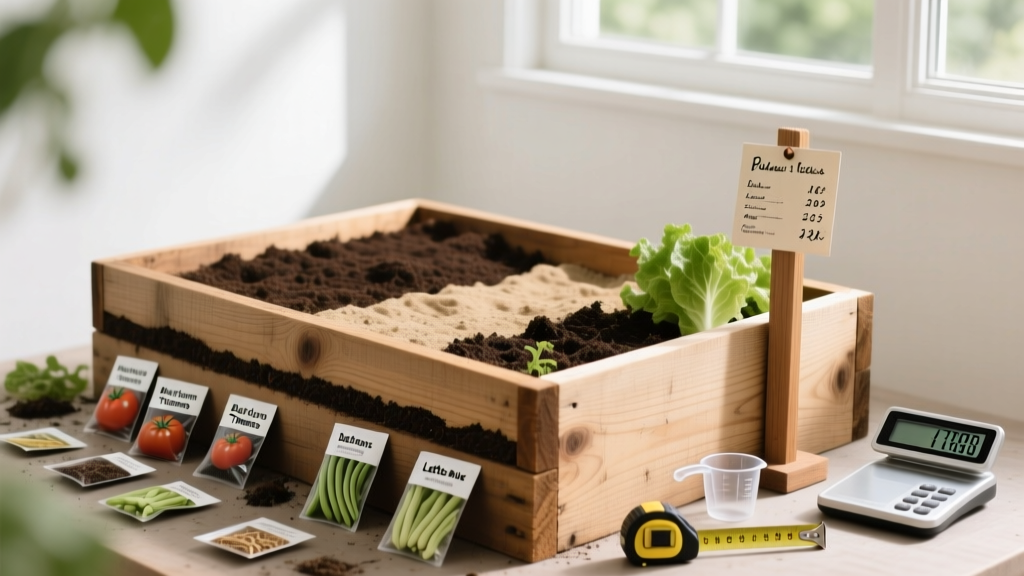
Cost Breakdown: Building and Planting a Raised Bed
Anna KowalskiPublished
The True Cost of a Raised Bed Vegetable Garden
Starting a vegetable garden is one of the most rewarding investments you can make for your home, but it is easy to experience sticker shock when pricing out materials at your local garden center. For beginners and seasoned green thumbs alike, the standard 4-foot by 8-foot raised bed remains the gold standard for backyard vegetable production. It offers optimal reachability, excellent drainage, and a manageable footprint. However, how much does it actually cost to build, fill, and plant one from scratch?
In this comprehensive cost and budgeting guide, we will break down the exact expenses associated with building a 4x8 raised bed vegetable garden. We will compare material tiers, calculate precise soil volumes, and analyze the financial differences between starting from seed versus buying nursery transplants. By the end of this guide, you will have a clear, actionable budget to launch your first-year garden without overspending.
Phase 1: Framing and Material Costs
The first major expense is the physical structure of the raised bed. A standard 4x8 bed built to a depth of 10.5 inches (using standard 2x10 lumber) requires three 8-foot boards if you are doubling up on the sides for stability, or two 8-foot boards and one cut in half for a basic single-layer box. Let us look at the most common materials and their associated costs.
| Material Type | Estimated Cost (4x8 Bed) | Expected Lifespan | Budget Verdict |
|---|---|---|---|
| Untreated Whitewood / Pine | $35 - $50 | 3 to 5 Years | Best for strict, short-term budgets. Will rot quickly in damp climates. |
| Western Red Cedar | $110 - $160 | 10 to 15 Years | The best balance of longevity, natural rot resistance, and aesthetics. |
| Galvanized Steel Kits | $130 - $200 | 20+ Years | Excellent long-term ROI, but soil can overheat in extreme southern climates. |
| Composite / Recycled Plastic | $250 - $350 | 25+ Years | Zero maintenance and rot-proof, but carries a very high upfront cost. |
Hardware and Tools
Do not forget the hardware. If you are building a wooden bed, you will need exterior-grade decking screws (2.5-inch and 3-inch). A box of 50 coated exterior screws costs roughly $8. You will also need four 4x4 corner brackets or interior corner braces ($15 for a set of four) to keep the bed from bowing outward under the immense weight of wet soil. If you do not already own a power drill and a carpenter's square, factor in $60 to $100 for a basic cordless drill kit.
Phase 2: Soil and Amendment Costs
Filling a 4x8 raised bed that is 10.5 inches deep requires approximately 28 cubic feet of soil. This is where most new gardeners accidentally blow their budget. Buying small 1.5 cubic foot bags of potting soil from a big-box store will require roughly 19 bags. At an average of $8 per bag, you are looking at $152 just for soil, and potting soil is not ideal for large raised beds anyway.
Option A: Bagged Raised Bed Mix (The Convenient Route)
Bagged raised bed soil (such as Miracle-Gro Raised Bed Mix or FoxFarm Ocean Forest) is formulated specifically for outdoor boxes. These bags typically contain 2 to 2.5 cubic feet and cost between $12 and $18 each. To fill 28 cubic feet, you will need about 12 to 14 bags, bringing your total soil budget to $144 to $250.
Option B: Bulk Delivery (The Budget-Friendly Route)
If you have a local landscape supply yard, ordering a bulk "garden mix" (usually a 50/50 blend of topsoil and organic compost) is drastically cheaper. One cubic yard equals 27 cubic feet. Ordering one yard of premium garden mix typically costs between $40 and $70, plus a delivery fee of $50 to $100 depending on your proximity to the supplier. Total cost: $90 to $170. You will need a tarp and a shovel to move it into your beds, but the financial savings are substantial.
Option C: Mel's Mix (The High-Yield DIY Route)
Made famous by the Square Foot Gardening method, this mix consists of equal parts peat moss, coarse vermiculite, and blended compost.
- Peat Moss: 3.8 cubic foot bale ($18)
- Coarse Vermiculite: 4 cubic foot bag ($35)
- Organic Compost: 4 cubic feet from bulk or bagged sources ($30)
- Total Cost: $83 (Requires thorough manual mixing).
Phase 3: Seeds vs. Nursery Transplants
Once your bed is built and filled, you must decide how to plant it. Your budget will fluctuate wildly depending on whether you choose seeds or live plants.
The Cost of Seeds
Seeds offer the highest return on investment. A single packet of organic seeds from reputable brands like Burpee, Baker Creek Heirloom Seeds, or Johnny's Selected Seeds costs between $3.00 and $5.00 and contains anywhere from 30 to 500 seeds. For a diverse 4x8 garden featuring tomatoes, peppers, cucumbers, carrots, lettuce, and radishes, you will need about 8 to 10 packets. Total seed budget: $30 to $50. You will also need a $15 bag of sterile seed-starting mix and a $10 plastic seedling tray with a humidity dome if you are starting warm-weather crops indoors six weeks before your last frost.
The Cost of Nursery Transplants
Walking into a garden center in May and buying established plants is convenient but expensive. A single organic tomato or pepper start in a 4-inch pot costs $5 to $7. If your 4x8 bed requires 20 individual plants to fill out your square-foot layout, you are instantly spending $100 to $140. Furthermore, nursery plants are often root-bound and can suffer from transplant shock, whereas direct-sown seeds develop deep, robust taproots.
Hidden Costs: Irrigation and Fertilizers
A successful garden requires consistent moisture and nutrients. Hand-watering with a hose is free, but it is time-consuming and can lead to fungal diseases if foliage stays wet.
Installing a basic drip irrigation system is a budget-friendly upgrade. A 100-foot roll of half-inch drip tubing, a pressure regulator, a hose connector, and a pack of drip emitters will cost approximately $45 to $60 at a hardware store. Adding a $30 digital hose timer ensures your garden is watered efficiently while you are at work.
For fertilizers, organic granular options like Espoma Garden-tone or Jobe's Organics Vegetable & Tomato spikes cost around $12 to $15 per bag and will easily last an entire season for a single 4x8 bed. Factor in $15 for mid-season side-dressing amendments.
Authoritative Insight on Soil Settling
When budgeting for soil, new gardeners often underestimate how much the soil will compact after the first few heavy rainstorms.
According to the University of Maryland Extension, 'Organic matter in soil mixes decomposes over time, causing the soil level in raised beds to drop significantly after the first year. Gardeners should plan to top-dress their raised beds with 1 to 2 inches of fresh compost annually to maintain proper soil volume and nutrient density.'
This means your initial soil budget should ideally include an extra $30 for a few bags of compost to top off the bed in year two.
Final Budget Scenarios
Let us summarize the financial pathways for your 4x8 raised bed project.
The Frugal Gardener (Sweat Equity Focus)
- Untreated Pine Frame & Hardware: $50
- Bulk Soil Delivery (1 Yard): $120
- Seeds & Starter Tray: $45
- Cardboard Weed Barrier (Free from grocery stores): $0
- Total First-Year Cost: $215
The Premium Gardener (Convenience & Longevity Focus)
- Western Red Cedar Frame & Brackets: $160
- Bagged Premium Raised Bed Soil: $200
- Nursery Transplants: $120
- Drip Irrigation Kit & Timer: $80
- Landscape Fabric Weed Barrier: $25
- Total First-Year Cost: $585
The Long-Term ROI of Home Gardening
While the upfront costs of a premium raised bed setup can approach $600, the long-term return on investment is undeniable. According to data compiled by Utah State University Extension, a well-maintained home vegetable garden can yield between $5 and $10 worth of produce per square foot. A 32-square-foot bed can therefore generate $160 to $320 worth of organic produce in a single growing season. By year two, your framing and irrigation costs are already paid off, leaving only minimal expenses for seeds, compost, and water. Budgeting wisely in year one ensures that your garden remains a source of financial savings and culinary joy for decades to come.
