Home & Garden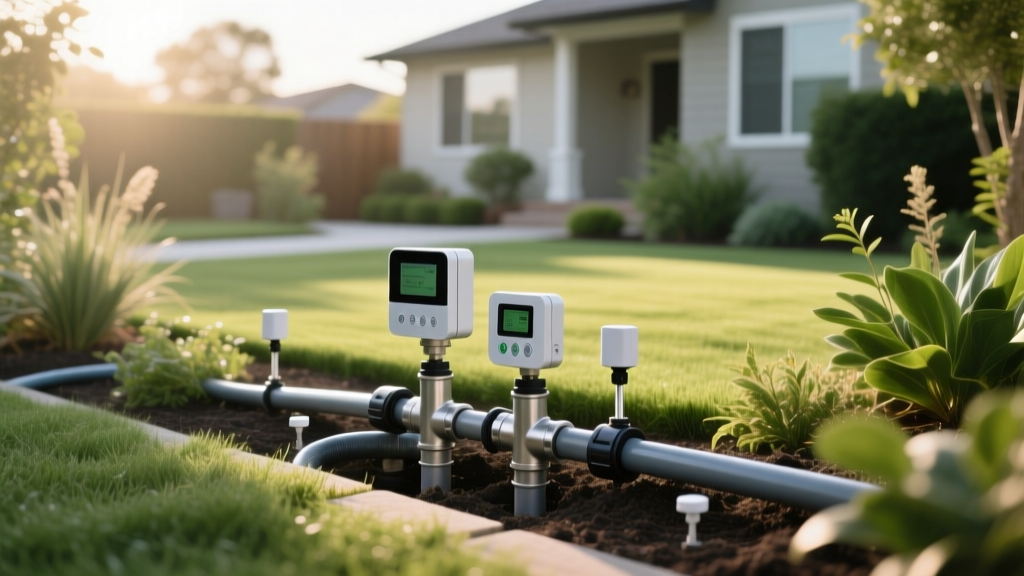
Budgeting for Smart Irrigation: Costs and Water ROI
James MillerPublished
The True Cost of Upgrading to a Smart Irrigation System
Transitioning from a traditional timer-based sprinkler system to a smart, weather-responsive irrigation network is one of the most impactful upgrades a homeowner can make for their outdoor space. Not only does it bridge the gap between modern smart home integration and energy-efficient landscaping, but it also drastically reduces water waste. According to the Environmental Protection Agency (EPA), outdoor water use accounts for nearly a third of all residential water consumption, amounting to nearly 9 billion gallons per day nationwide. By upgrading to a smart system, homeowners can eliminate the guesswork of lawn care, ensuring that garden-to-table vegetable plots and ornamental flower beds receive the exact moisture they need without draining the household budget.
However, before you rip out your old dial timer and start wiring a new Wi-Fi-enabled controller, it is crucial to understand the financial landscape. Budgeting for a smart irrigation system involves more than just the sticker price of the controller. From soil moisture sensors to professional labor and hidden connectivity fees, this comprehensive cost guide will break down exactly what you need to budget for, and how to calculate your long-term return on investment (ROI).
Itemized Breakdown: Where Does Your Budget Go?
Building an accurate budget requires looking at the irrigation system in layers. You can choose to do a piecemeal upgrade or a complete system overhaul. Here is a detailed breakdown of the components and their associated costs.
1. Smart Irrigation Controllers
The brain of your smart irrigation system is the controller. Unlike traditional timers that blindly water on a set schedule regardless of the weather, smart controllers use local weather data, evapotranspiration (ET) rates, and soil conditions to adjust watering automatically.
- Entry-Level Smart Controllers ($100 - $150): Brands like Orbit B-hyve or Wyze offer basic Wi-Fi connectivity and weather-based adjustments. These are ideal for small suburban lawns with 4 to 6 zones.
- Mid-Tier Controllers ($150 - $250): The Rachio 3 or Netro Smart fall into this category. They offer advanced zone mapping, integration with smart home ecosystems like Amazon Alexa and Google Home, and hyper-local weather intelligence.
- Premium/Commercial Controllers ($250 - $450+): Systems from Rain Bird (ST8I-2.0) or Hunter (Hydrawise) offer robust wiring, flow meters, and master valve support for expansive properties or complex garden-to-table landscaping setups.
2. Sensors and Add-Ons
While many smart controllers rely on internet-based weather forecasts, adding physical sensors creates a closed-loop system that reacts to the microclimate of your specific yard.
- Rain and Freeze Sensors ($30 - $60): A mandatory addition in many municipalities, these hardwired or wireless sensors override the controller during precipitation or freezing temperatures.
- Soil Moisture Sensors ($100 - $180): Buried in the root zone of your lawn or vegetable garden, these sensors measure actual volumetric water content, preventing the system from watering if the soil is already saturated.
- Flow Meters ($80 - $150): These devices attach to your mainline and alert your smartphone if a pipe bursts or a sprinkler head breaks, potentially saving you from a catastrophic water bill.
3. Smart Sprinkler Heads and Rotary Nozzles
A smart controller cannot fix poor water distribution. If your current system uses outdated spray nozzles that mist and evaporate in the wind, your budget must include hardware upgrades. Replacing standard spray nozzles with Rotary Nozzles (like the Hunter MP Rotator) costs about $5 to $10 per nozzle. These nozzles apply water slowly and evenly, increasing absorption rates by up to 30% and drastically reducing runoff on sloped landscapes.
4. Professional Installation vs. DIY
If you are replacing an existing controller and the wiring is in good condition, a DIY swap takes about two hours and costs nothing in labor. However, if you are installing a new system from scratch, adding new valves, or trenching drip irrigation lines for raised garden beds, professional labor is highly recommended.
- DIY Controller Swap: $0 (Assumes existing wiring and transformer are up to code).
- Professional Controller Installation: $150 - $300 for labor.
- Full System Design and Installation: $2,500 - $5,000+ depending on yard size and zone count.
Cost Comparison: Traditional vs. Smart Irrigation
To truly understand the budgeting impact, we must compare the upfront and long-term costs of a traditional timer system versus a fully integrated smart irrigation setup. The following table assumes an average 6-zone residential property.
| Component / Factor | Traditional Timer System | Smart Irrigation System | Financial Impact |
|---|---|---|---|
| Controller Hardware | $50 - $90 | $150 - $250 | +$100 upfront |
| Sensors (Rain/Soil) | $30 (Rain only) | $130 (Rain + Soil) | +$100 upfront |
| Nozzle Efficiency | Standard Spray ($2/ea) | Rotary Nozzles ($7/ea) | +$100 upfront |
| Installation Labor | $200 | $250 | +$50 upfront |
| Annual Water Waste | High (Overwatering) | Low (Precision) | -$150 to -$300/yr |
| Landscape Replacement | Frequent (Root rot/drought) | Rare (Optimal health) | Variable savings |
Calculating Your Return on Investment (ROI)
The primary financial benefit of a smart irrigation system is the reduction in municipal water and sewer bills. The EPA WaterSense program notes that Weather-Based Irrigation Controllers (WBICs) can reduce outdoor water use by 20% to 30% compared to standard clock timers.
Let us run a practical ROI calculation:
- Average Summer Water Bill: $120/month ($360 for a 3-month peak summer season).
- Smart System Savings (25%): $30/month ($90 saved per summer).
- Total Upfront Upgrade Cost: $300 (Controller + Soil Sensor + DIY Install).
- Payback Period: 3.3 Summers.
After roughly three and a half years, the system pays for itself entirely through water savings. Furthermore, if you factor in the cost of replacing dead shrubs or treating fungal lawn diseases caused by traditional overwatering, the ROI timeline shrinks significantly.
Hidden Costs to Watch Out For
When drafting your landscaping budget, be sure to account for these frequently overlooked expenses associated with smart home outdoor integration:
Wi-Fi Connectivity and Mesh Networks
Smart controllers require a stable 2.4GHz Wi-Fi connection. Because irrigation controllers are typically mounted in garages, basements, or on the exterior siding of your home, your router's signal may not reach them. Budget $50 to $150 for a Wi-Fi extender or a mesh network node to ensure your controller stays online to receive vital weather updates.
Subscription Fees
While most top-tier brands like Rachio and Rain Bird offer free access to their weather intelligence and app features, some niche or commercial-grade smart valve systems require a monthly or annual cellular subscription if Wi-Fi is unavailable. Always verify the software licensing model before purchasing.
System Winterization and Spring Start-Up
If you live in a climate with freezing winters, your smart irrigation system still requires annual blowouts using an air compressor to clear the lines. While the smart controller itself is easily unplugged and stored indoors, the physical pipes and smart valves remain vulnerable. Budget $75 to $125 annually for professional winterization services.
How to Offset Costs: Rebates and Incentives
The most effective way to balance your smart irrigation budget is to leverage local and federal incentives. Because water conservation is a critical infrastructure priority, many local water municipalities and utility companies offer substantial rebates for upgrading to WaterSense-labeled smart controllers.
Depending on your region, rebates can range from $50 to over $200, effectively covering the entire cost of the controller hardware. Homeowners can use the EPA WaterSense Rebate Finder tool to search for active incentive programs by ZIP code. Always check with your local water provider before purchasing, as some municipalities require pre-approval or dictate specific brands and models to qualify for the reimbursement.
Integrating with Garden-to-Table Landscaping
For homeowners invested in garden-to-table living, smart irrigation is a game-changer for vegetable yields. Traditional sprinklers are highly inefficient for raised beds, often wetting the foliage of tomatoes and squash, which invites powdery mildew and blight.
Budgeting for a smart drip irrigation zone involves adding a dedicated valve, a pressure regulator, and a smart drip controller. Drip lines deliver water directly to the root zone, reducing evaporation to near zero. Allocating an extra $150 to $250 in your budget for specialized drip manifolds and inline emitters will protect your edible garden investments and ensure a bountiful harvest while using a fraction of the water.
Final Budgeting Advice for Homeowners
Upgrading to a smart irrigation system is a definitive win for both your wallet and the environment. To keep your project on budget, start by auditing your existing system. Map out your zones, test your current wiring, and identify areas of severe water runoff. If your infrastructure is sound, a DIY controller and sensor swap is a highly cost-effective weekend project. If your system requires new trenching, valve replacements, or complex smart home integrations, consult with a certified irrigation professional. By combining strategic hardware upgrades with local utility rebates, you can build a lush, resilient landscape that practically pays for itself in water savings.
