Gardening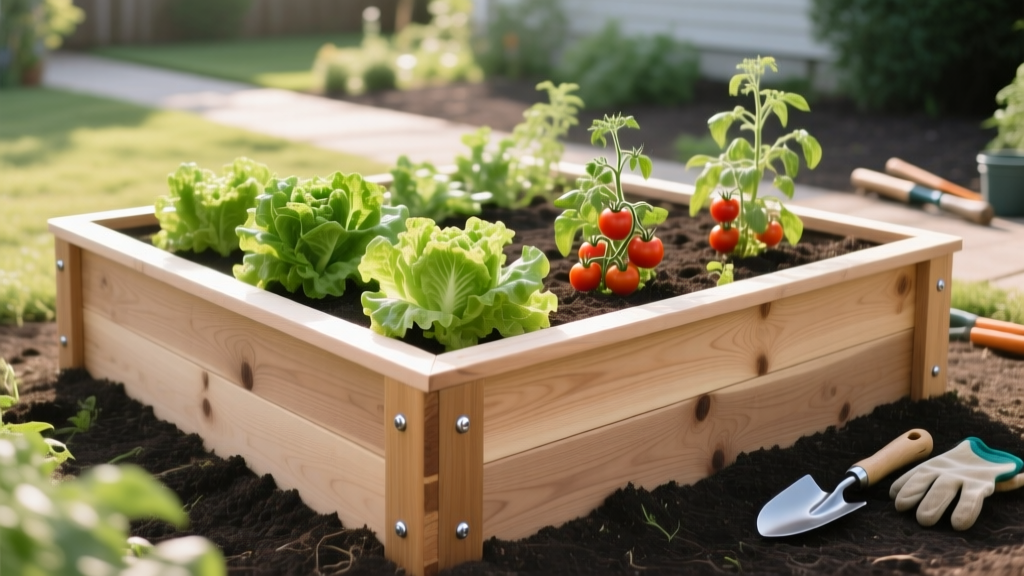
How to Build a 4x8 Raised Cedar Vegetable Garden Bed
Mike RodriguezPublished
Why Build a 4x8 Raised Cedar Garden Bed?
Building a raised garden bed is one of the most impactful investments you can make for your home landscape. Among the various dimensions available, the 4x8-foot footprint is widely considered the gold standard for vegetable gardening. This specific size allows an average adult to reach the exact center of the bed from either long side without ever stepping into the growing area, thereby preventing soil compaction. Furthermore, constructing a bed that is 22 inches deep (using two courses of lumber) provides ample room for deep-rooted crops like tomatoes, carrots, and parsnips, while also saving your back from excessive bending.
When it comes to material selection, rough-sawn cedar is the undisputed champion for raised beds. Unlike pressure-treated pine, which is infused with chemical preservatives that some gardeners prefer to keep away from edible crops, cedar contains natural tannins and oils that make it highly resistant to rot, decay, and insect damage. A well-built cedar bed can easily last 10 to 15 years or more, even when in direct contact with damp soil.
Materials and Tools Required
Before heading to the lumber yard, gather the following materials. The costs listed are approximate and based on national averages for premium rough-sawn cedar and exterior-grade hardware.
| Item | Quantity | Estimated Cost | Purpose |
|---|---|---|---|
| 2x11 Cedar Boards (8 ft) | 8 pieces | $120.00 | Long sides (2 courses) |
| 2x11 Cedar Boards (4 ft) | 8 pieces | $75.00 | Short sides (2 courses) |
| 4x4 Cedar Posts (4 ft) | 4 pieces | $45.00 | Internal corner braces |
| #9 2.5-inch Exterior Screws | 1 box (150 ct) | $25.00 | Structural fastening |
| 1/2-inch Hardware Cloth (4x8) | 1 roll | $40.00 | Gopher and mole barrier |
| Heavy-Duty Cardboard | ~150 sq ft | Free | Weed suppression layer |
| Total Estimated Cost | $305.00 |
Essential Tools
- Miter saw or circular saw
- Power drill with Phillips #2 bit and 1/8-inch drill bit for pre-drilling
- Tape measure and carpenter's pencil
- 4-foot bubble level
- Shovel and landscaping rake
- Staple gun (for hardware cloth)
- Work gloves and safety glasses
Step-by-Step Construction Guide
Step 1: Cut the Corner Posts
Your 4x4 cedar posts will serve as the internal corner braces, providing immense structural stability and a solid surface to drive screws into. Take your four 4-foot posts and cut them exactly in half, yielding eight 24-inch posts. Because the actual height of a 2x11 board is 10.5 inches, stacking two boards gives you a total wall height of 21 inches. The 24-inch posts will sit slightly higher than the wood walls, allowing you to drive a few inches of the post directly into the native soil for added anchoring, or simply rest them flush on the ground if you are placing the bed over a hard surface.
Step 2: Assemble the First Tier
Lay out your first course of boards on a flat surface, such as a driveway or patio. Place a 24-inch 4x4 post inside each corner. Using your tape measure, ensure the frame is perfectly square by measuring diagonally from corner to corner; if both diagonal measurements are identical, your frame is square. Pre-drill three holes through the end of each 2x11 board into the 4x4 post to prevent the cedar from splitting. Drive your 2.5-inch exterior screws through the pre-drilled holes. Repeat this process for all four corners of the first tier.
Step 3: Attach the Second Tier
Stack the remaining boards on top of the first tier. To maximize structural integrity and prevent the walls from bowing outward under the weight of wet soil, stagger the seams. If your bottom tier has a seam in the middle (if using shorter boards), ensure the top tier covers that seam. Pre-drill and screw the top boards into the corner posts using three screws per board end. Additionally, drive two screws directly through the top board into the bottom board at the midpoints of the 8-foot sides to lock the walls together.
Step 4: Prepare the Ground and Install the Barrier
Choose a location that receives at least 6 to 8 hours of direct sunlight daily. Clear the area of large rocks and debris. You do not need to completely remove the existing grass; instead, lay down overlapping sheets of heavy-duty, tape-free cardboard directly over the grass. This acts as a biodegradable weed barrier that will smother the grass and eventually break down, encouraging earthworms to migrate up into your new bed. Wet the cardboard thoroughly with a hose to kickstart the decomposition process.
Next, unroll your 1/2-inch galvanized hardware cloth over the cardboard. Cut it to size using aviation snips so that it overlaps the edges of the bed slightly, and staple it to the bottom inside edge of the cedar frame. This step is non-negotiable if you live in an area with burrowing pests like gophers or moles, as they will quickly destroy root systems if given access.
Step 5: Position and Level the Bed
Move the assembled bed into its final position over the cardboard and hardware cloth. Place your 4-foot level on the long sides, short sides, and diagonally across the frame. Use a shovel to dig out native soil from the high spots to achieve a perfect level. Never add loose soil under the low spots to raise the bed, as this will eventually settle and cause the bed to tilt over time.
Filling the Bed: The Ideal Soil Mix
A 4x8 bed that is 21 inches deep holds approximately 56 cubic feet of soil. Filling it entirely with premium bagged potting soil would cost a small fortune, while using only native topsoil will result in severe compaction and poor drainage. The key to raised bed success is a lightweight, nutrient-dense, and well-draining mixture.
According to the University of Maryland Extension, raised bed soils should be formulated to retain moisture while allowing excess water to drain freely. They recommend a mixture that incorporates significant organic matter and aeration materials to prevent the heavy compaction often seen in native clay soils.
To achieve the perfect texture and nutrient profile, use the following modified raised bed recipe, which balances water retention, drainage, and biological activity:
- 40% High-Quality Topsoil: Provides the mineral base and bulk volume. Purchase from a reputable local landscape supply yard to avoid contaminated fill dirt.
- 30% Organic Compost: Use a diverse blend (e.g., mushroom compost, leaf mold, and composted manure) to introduce beneficial microbes and slow-release nutrients.
- 20% Aeration Material: Coarse horticultural pumice, perlite, or rice hulls. This ensures the soil remains friable and oxygen reaches the root zones.
- 10% Coconut Coir or Peat Moss: Acts as a sponge to retain moisture during the heat of summer.
Mix these ingredients thoroughly as you fill the bed. Use a landscaping rake to blend the layers, and water the bed deeply with a hose to help the soil settle. You will likely notice the soil level drop by a few inches after the first heavy watering; simply top it off with a bit more compost before planting.
Long-Term Maintenance and Care
One of the greatest advantages of a cedar raised bed is its low maintenance requirements. However, to ensure the longevity of both the wood and the soil ecosystem, follow these annual practices:
- Annual Top-Dressing: Soil levels will naturally sink as organic matter decomposes. Each spring, add a 2-inch layer of fresh compost to the surface to replenish nutrients and maintain soil volume.
- Avoid Chemical Fertilizers: Heavy use of synthetic fertilizers can harm the microbial life in your soil and accelerate the degradation of the cedar wood through salt buildup. Stick to organic amendments like kelp meal, worm castings, and bone meal.
- Winterizing: In late fall, plant a cover crop like crimson clover or winter rye to protect the soil from erosion and fix nitrogen. Alternatively, cover the exposed soil with a thick layer of shredded leaf mulch.
- Wood Care: While cedar does not require sealing, applying a coat of raw linseed oil every three to four years can help preserve its rich, golden color and prevent it from weathering to a silvery-gray patina (though the gray patina is purely cosmetic and does not affect the wood's structural lifespan).
By following this comprehensive guide, you will construct a beautiful, highly productive garden bed that will serve as the cornerstone of your vegetable garden for over a decade. The initial investment of time and materials pays exponential dividends in the form of healthier plants, higher yields, and a much more enjoyable gardening experience.
