Home & Garden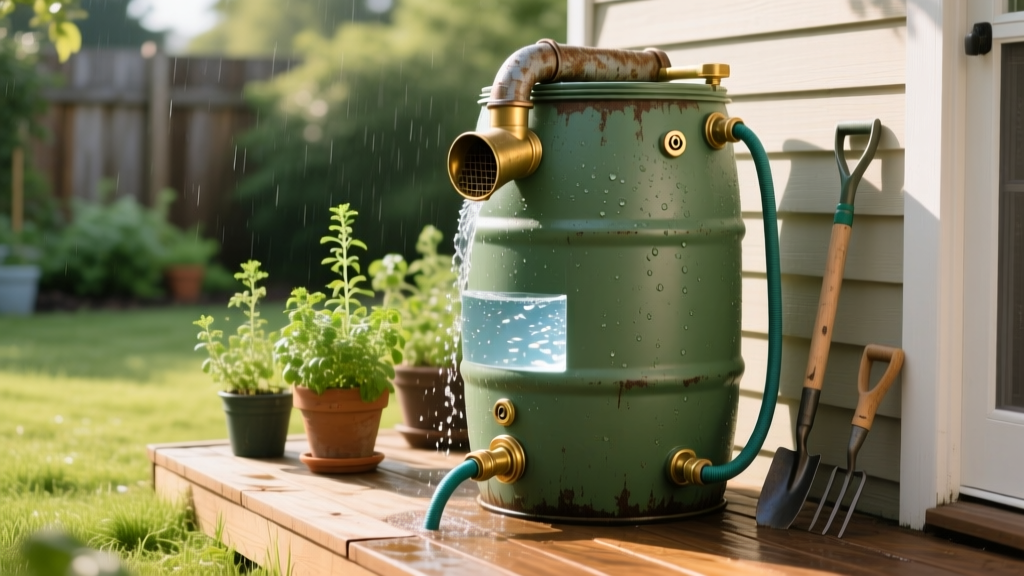
Build a Budget DIY Rain Barrel for Garden Irrigation
Mike RodriguezPublished
Bridging Sustainability and Savings: The DIY Rain Barrel
As homeowners increasingly look to bridge the gap between indoor comfort and outdoor sustainability, water conservation has become a paramount concern. Maintaining a lush, vibrant garden does not have to come at the expense of your monthly utility bill or the local water table. By harnessing natural precipitation, you can create a resilient, eco-friendly irrigation system right in your backyard. This guide will walk you through building a budget-friendly, 55-gallon DIY rain barrel system, complete with gravity-fed pressure calculations and smart-home integration tips.
The True Cost of Outdoor Watering
Before diving into the construction, it is essential to understand the financial and environmental impact of traditional garden irrigation. According to the Environmental Protection Agency (EPA), outdoor water use accounts for nearly 30% of total household water consumption. In arid climates and during peak summer months, this figure can surge to over 60%. By capturing rainwater, you not only reduce your reliance on municipal water but also decrease the stormwater runoff that carries pollutants into local waterways.
The EPA's Green Infrastructure initiative highlights rainwater harvesting as a critical method for managing stormwater and reducing the strain on municipal sewer systems. A single inch of rain falling on a 1,000-square-foot roof yields approximately 600 gallons of water. Capturing even a fraction of this can sustain your raised beds, container plants, and ornamental shrubs through dry spells.
Sourcing Materials on a Budget
The most significant expense in any rain barrel project is the tank itself. Retail hardware stores often sell pre-fabricated 50-gallon rain barrels for $100 to $150. However, the budget-conscious DIYer can source a 55-gallon food-grade High-Density Polyethylene (HDPE) barrel for a fraction of the cost.
Pro Tip: Never use a barrel that previously held toxic chemicals, pesticides, or industrial solvents. Always source food-grade HDPE barrels, which are typically used to transport bulk syrups, vinegar, or food-grade alcohols. Local breweries, beverage bottlers, and food processing plants often sell these surplus barrels for $20 to $40. Online marketplaces like Facebook Marketplace or Craigslist are also excellent resources for finding cheap, food-safe barrels.
Tools and Parts List
- 55-Gallon Food-Grade HDPE Barrel (Estimated Cost: $25)
- 3/4-Inch Brass Spigot (Estimated Cost: $12)
- 3/4-Inch Bulkhead Fitting or Uniseal (Estimated Cost: $8)
- 1-Inch PVC Overflow Fitting and Hose (Estimated Cost: $10)
- Drill with 3/4-Inch and 1-Inch Hole Saw Bits (Borrow or buy for $15)
- 100% Silicone Sealant (Estimated Cost: $6)
- Teflon Thread Seal Tape (Estimated Cost: $3)
- 4 Cinder Blocks for elevation (Estimated Cost: $8)
- Fiberglass Window Screen and a large rubber band (for debris/mosquito filtering)
Total Estimated DIY Cost: $72 - $87 (Compared to $150+ for retail kits).
Step-by-Step Assembly Guide
Step 1: Preparation and Cleaning
Thoroughly rinse the inside of the barrel with a mild bleach solution (one tablespoon of unscented bleach per gallon of water) to ensure it is free of bacteria or residual food odors. Rinse it out completely and let it dry in the sun.
Step 2: Drilling the Spigot Hole
Measure approximately three inches up from the bottom of the barrel. This elevation allows sediment and debris to settle at the very bottom without clogging your spigot. Using your drill and the appropriately sized hole saw (matching the outer diameter of your bulkhead fitting or Uniseal), carefully drill the hole. Apply steady pressure to prevent the plastic from cracking.
Step 3: Installing the Spigot
If using a bulkhead fitting, insert it through the hole. Apply a generous bead of 100% silicone sealant around the rubber gasket on both the inside and outside of the barrel to ensure a watertight seal. Tighten the locking nut from the inside (you may need to reach your arm into the barrel). Wrap the threads of your brass spigot with Teflon tape and screw it into the bulkhead fitting, tightening it with a wrench.
Step 4: Creating the Overflow Valve
Without an overflow system, heavy rains will cause the barrel to spill over its sides, potentially eroding the soil near your home's foundation and causing water damage. Drill a 1-inch hole near the very top of the barrel, about two inches below the lid. Install a PVC overflow fitting, seal it with silicone, and attach a flexible vinyl hose. Route this hose at least five feet away from your home's foundation toward a garden bed or drainage swale.
Step 5: Securing the Lid and Filtering
Cut a piece of fiberglass window screen slightly larger than the top opening of your downspout diverter or the barrel's top inlet. Secure it with a heavy-duty rubber band or bungee cord. This crucial step prevents leaves, roof grit, and mosquitoes from entering your water supply.
The Physics of Gravity-Fed Irrigation
One common complaint among first-time rain barrel users is low water pressure. Unlike municipal water lines that operate at 40 to 60 PSI (pounds per square inch), a rain barrel relies entirely on gravity. Understanding the physics of gravity-fed pressure is vital for connecting your barrel to a drip irrigation system.
For every foot of vertical elevation, you gain approximately 0.433 PSI of water pressure. Most standard drip irrigation emitters and soaker hoses require a minimum of 10 to 15 PSI to function correctly. To achieve 15 PSI, your water source must be elevated roughly 34 feet above the garden—a structural impossibility for most backyards.
The Budget Solution: Instead of building a massive tower, elevate the barrel on four stacked cinder blocks (about 24 inches high) to generate roughly 0.86 PSI. Then, bypass high-pressure emitters and opt for gravity-fed drip tape or low-pressure micro-sprinklers specifically designed for rain barrel systems. Alternatively, use the barrel to manually fill watering cans, which remains the most cost-effective and water-efficient method for targeted garden care.
Cost Comparison: DIY vs. Store-Bought
| Component | Budget DIY Build | Retail Pre-Fab Kit |
|---|---|---|
| 50-55 Gallon Tank | $25 (Surplus Food-Grade) | $90 - $130 |
| Spigot & Fittings | $20 (Hardware Store Brass) | $15 (Plastic, often included) |
| Overflow & Screening | $15 (PVC & Mesh) | $10 (Included) |
| Elevation Base | $8 (Cinder Blocks) | $30 (Resin Stand) |
| Total Estimated Cost | $68 | $145 - $185 |
Maintenance, Pest Control, and Winterization
Standing water is a prime breeding ground for mosquitoes. To combat this without harming your garden's ecosystem, use Bacillus thuringiensis israelensis (Bti), commonly sold as "Mosquito Dunks." Dropping a quarter of a dunk into your barrel every 30 days will safely eliminate mosquito larvae without harming pets, wildlife, or your edible plants.
According to experts at the Texas A&M Agrilife Extension, proper winterization is critical to prevent your DIY system from cracking during freezing temperatures. In late autumn, completely drain the barrel, detach the spigot, and store the brass fittings indoors. Leave the drain valve open throughout the winter to prevent ice expansion from warping the HDPE plastic.
Budget Smart-Home Integration
You can bridge the gap between traditional DIY landscaping and modern smart-home technology without spending hundreds of dollars. While gravity-fed systems cannot support standard smart sprinkler valves, you can integrate a budget-friendly smart hose timer (such as those offered by Melnor or Orbit) directly to your spigot if you are using a low-pressure drip system.
By pairing a smart timer with a soil moisture sensor, you can automate your rain barrel's output to only release water when your garden beds are genuinely dry, maximizing every drop of harvested rain. This seamless integration of outdoor living and smart tech ensures your garden thrives efficiently, proving that sustainable home maintenance can be both highly effective and remarkably affordable.
