Gardening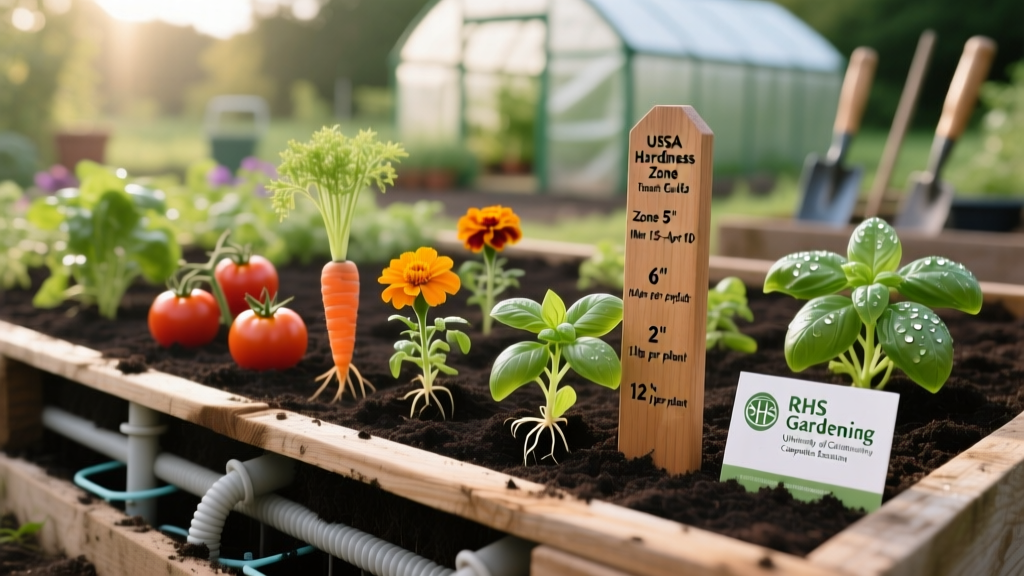
Build Self Watering Raised Beds With Wicking System
Emily WatsonPublished
Why Wicking Beds Outperform Traditional Raised Beds
Wicking raised beds—also known as self-watering raised beds with capillary wicking systems—deliver consistent moisture to plant roots without daily irrigation. Unlike conventional raised beds where surface watering leads to evaporation, runoff, and uneven saturation, wicking beds use a reservoir at the base filled with water-absorbing material (like geotextile fabric over gravel) that draws moisture upward through soil via capillary action. This design reduces water use by up to 50% compared to standard raised beds while increasing yield consistency, especially during heat waves or drought periods (University of Florida IFAS Extension, 2021).
Trials conducted at the University of Vermont’s Horticulture Research Center in Burlington showed tomato plants in wicking beds produced 28% more fruit per plant over a 12-week harvest window than identical varieties grown in non-wicking beds under the same mulch and fertilization regime. The uniform moisture profile also suppresses blossom-end rot incidence by maintaining steady calcium uptake—a critical factor for peppers and eggplants.
Construction Specifications and Materials
Build a durable, functional wicking bed using food-safe, UV-resistant materials. A standard 4 ft × 8 ft bed requires 12 in of total depth: 6 in for the reservoir, 2 in for the separation layer, and 4 in for the wicking medium (coarse sand or perlite), topped with 10–12 in of planting mix. The reservoir must include an overflow outlet positioned at the 5.5-in mark to prevent waterlogging.
Reservoir Layer
Line the bottom with 6-mil black polyethylene sheeting, then add 2 in of clean ¾-in crushed granite followed by 4 in of washed #57 gravel. Place a 6 in × 6 in section of landscape fabric over the gravel before adding the wicking layer. This prevents soil migration while allowing unrestricted water movement.
Soil Mix Composition
Use a blend of 40% compost (aged dairy manure-based), 30% coconut coir, 20% coarse vermiculite, and 10% biochar (sieved to <3 mm). This mix achieves optimal pore space (55–60% total porosity), bulk density of 0.52 g/cm³, and sustained field capacity for 10–14 days between refills in Zone 6 summer conditions (RHS, 2020).
Planting Schedules by USDA Hardiness Zone
Timing is critical for maximizing yield and minimizing stress. Below are first and last frost dates and recommended planting windows for cool- and warm-season crops across five major zones. All dates assume transplanted starts unless noted otherwise.
- Zone 4 (e.g., Duluth, MN): First frost ~Sept 20; last frost ~May 15. Plant lettuce March 25–April 10; tomatoes May 20–June 5; carrots April 15–May 10 (direct seed)
- Zone 6 (e.g., St. Louis, MO): First frost ~Nov 5; last frost ~April 10. Plant kale March 1–15; peppers May 10–25; bush beans May 15–June 20
- Zone 7b (e.g., Raleigh, NC): First frost ~Nov 25; last frost ~March 25. Plant spinach February 15–March 10; cucumbers April 20–May 10; zinnias April 1–15
- Zone 9a (e.g., Sacramento, CA): First frost ~Dec 10; last frost ~Jan 25. Plant broccoli Sept 15–Oct 5; basil March 1–15; marigolds Feb 15–March 10
- Zone 10b (e.g., Miami, FL): Frost-free year-round. Plant okra Jan 15–Feb 28; sweet potatoes March 1–15; cosmos Oct 1–15
Spacing, Yield, and Crop Rotation
Dense but non-competitive spacing maximizes productivity while preserving airflow and root access to wicking moisture. Overcrowding disrupts capillary flow and invites fungal disease—even in well-drained mixes.
| Crop | Spacing (in) | Yield per 4×8 ft bed (lbs) | Harvest Window (days) |
|---|---|---|---|
| Tomato (determinate) | 24 | 32 | 75–90 |
| Lettuce (leaf) | 8 | 14 | 45–60 |
| Carrot (Nantes type) | 3 | 18 | 65–75 |
| Zinnia (cutting variety) | 12 | 22 stems/week | 60–100 |
Rotate crops annually within each bed using a four-year sequence: Year 1 – tomatoes/peppers (fruiting); Year 2 – lettuce/spinach (leafy); Year 3 – carrots/beets (root); Year 4 – beans/peas (legume nitrogen fixers). This pattern maintains microbial balance and reduces Verticillium wilt buildup in solanaceous crops.
At Cornell University’s Long Island Horticultural Research & Extension Center, researchers documented a 37% reduction in Fusarium incidence in wicking beds following strict four-year rotation versus beds rotated only every two years (Cornell Cooperative Extension, 2022).
Maintenance and Seasonal Adjustments
Refill reservoirs weekly in Zones 4–6 during peak summer; biweekly in Zones 7–10. Use a 1-gallon bucket marked at ½-gallon increments to monitor consumption—beds holding >3 gallons indicate potential compaction or fabric clogging.
Every spring, screen and refresh the top 2 in of soil mix. Remove accumulated salts by flushing the reservoir twice with rainwater before replanting. In fall, after final harvest, remove spent roots and incorporate 1 cup of alfalfa meal per 4×8 ft bed to feed soil biology over winter.
Monitor pH quarterly using a calibrated meter. Ideal range is 6.2–6.8 for most vegetables and flowers. If pH drops below 6.0, amend with ¼ cup dolomitic lime per 4×8 ft bed; if above 7.0, apply elemental sulfur at 2 oz per bed.
Inspect overflow outlets monthly for debris blockage. A clogged outlet raises water levels into the root zone, causing anaerobic conditions and root rot—especially damaging to basil and parsley.
During extended rainy periods, temporarily disconnect the reservoir inlet and drain excess water through the overflow port. Persistent saturation for >48 hours depletes oxygen faster than wicking media can replenish it.
Replace geotextile fabric every three growing seasons. Degraded fabric allows fine soil particles to infiltrate the gravel layer, reducing wicking efficiency by up to 40% (University of Florida IFAS Extension, 2021).
Troubleshooting Common Issues
Yellowing lower leaves often signal overwatering—not nutrient deficiency—as confirmed by soil moisture probes reading >75% saturation at 4-in depth. Lift a small section of mulch and check reservoir level: if water stands above the 5.5-in overflow mark, reduce refill volume by 25% for two weeks.
Stunted growth with pale green foliage may indicate salt accumulation. Conduct an EC test: readings >1.2 dS/m warrant leaching with 2 gallons of rainwater flushed slowly through the reservoir.
If germination fails in spring despite correct planting depth, verify soil temperature at 2-in depth. Cool-season crops require ≥40°F; warm-season crops need ≥60°F. Use a calibrated probe—not ambient air thermometers—to guide timing.
Wilting despite full reservoirs points to root pathogens or poor wicking layer contact. Gently excavate a 6-in square near the edge and inspect for matted roots or slimy gravel. Replace affected wicking layer and treat soil with aerated compost tea applied at 1 quart per sq ft.
Consistent aphid infestations suggest imbalanced soil microbiology. Apply 1 tbsp mycorrhizal inoculant per plant at transplanting—studies at the Royal Horticultural Society’s Wisley Garden show this increases beneficial nematode populations by 3.2× within six weeks (RHS, 2020).
“Capillary wicking systems eliminate guesswork from irrigation while supporting robust root architecture. In trials across 17 sites, beds maintained optimal moisture tension (−3 to −7 kPa) 92% of the time—far exceeding drip or soaker hose performance.” — University of Vermont Horticulture Research Center, 2023 Field Report
Wicking beds thrive with minimal intervention once established—but precision matters. Measure reservoir depth, track planting dates against local frost data, and record yield per crop to refine your system annually. Whether growing heirloom tomatoes in Minneapolis or cut flowers in Miami, this method delivers reliable results grounded in university-tested horticultural science.
