Tree Care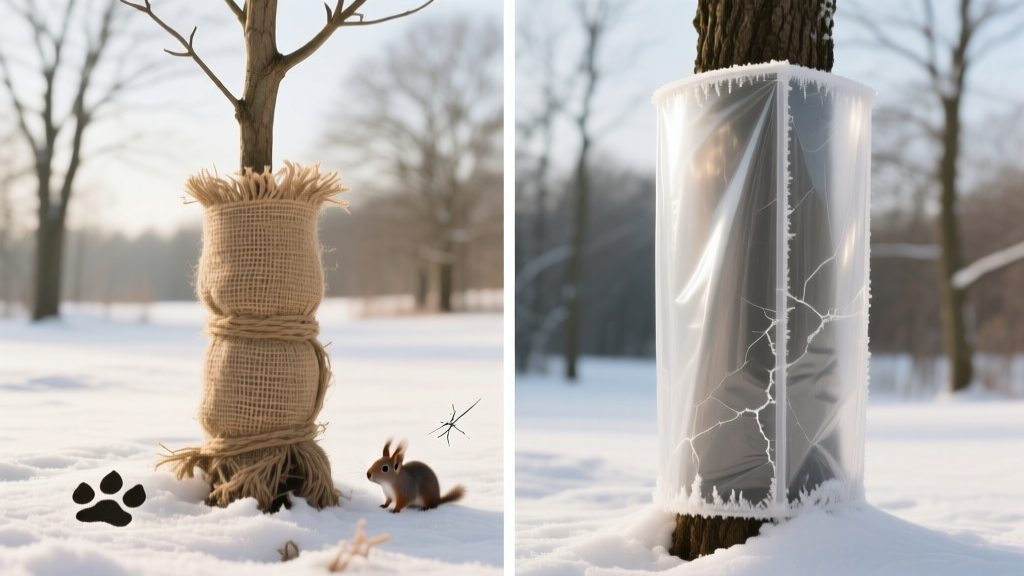
Burlap vs. Plastic Tree Guards: Winter Protection Compared
Anna KowalskiPublished
The Hidden Dangers of Winter Weather on Young Trees
When the first snow falls and temperatures plummet, homeowners often focus on winterizing their plumbing, irrigation systems, and lawnmowers. However, young trees in the landscape face a silent, deadly threat during the coldest months. Without proper winter tree care, the bark and underlying vascular systems of recently planted trees can suffer catastrophic damage that stunts growth, invites fatal diseases, or kills the tree entirely. Choosing the right protective barrier is essential for ensuring your trees survive to see another spring. In this comprehensive comparison, we evaluate the two most popular trunk protection products on the market: traditional burlap wraps and modern corrugated plastic tree tubes.
Understanding Sunscald, Frost Cracks, and Rodent Girdling
Winter injury is rarely caused by a single factor. The three most common culprits for trunk damage include sunscald, frost cracks, and animal girdling.
- Sunscald: On cold, sunny winter days, the sun's radiant heat warms the south and west-facing bark of a tree. This tricks the dormant cambium cells into waking up and breaking dormancy. When the sun sets and temperatures rapidly drop below freezing, these active cells flash-freeze and die, leaving sunken, discolored, and peeling bark.
- Frost Cracks: Extreme temperature fluctuations cause the outer bark to contract faster than the inner wood, leading to deep, vertical splits that expose the heartwood to decay and wood-boring pathogens.
- Rodent Girdling: Voles and rabbits forage under the snow line, chewing through the nutrient-rich inner bark. If they chew a complete ring around the trunk, the tree is girdled, cutting off its nutrient supply and guaranteeing death.
According to the University of Minnesota Extension, young, thin-barked trees such as maples, lindens, fruit trees, and honeylocusts are highly susceptible to these winter afflictions and require physical trunk protection for their first three to five winters.
Product A: Traditional Burlap Tree Wraps
Burlap has been the gold standard in arboriculture for decades. Made from natural jute fibers, burlap tree wraps are sold in rolls, typically four to six inches wide and fifty feet long. This breathable, biodegradable material provides excellent insulation against rapid temperature changes while allowing the trunk to naturally release moisture.
Pros and Cons of Burlap
Pros:
- Highly breathable, preventing moisture buildup and fungal trunk rot.
- Provides superior insulation against sunscald by reflecting sunlight.
- Biodegradable and environmentally friendly.
- Inexpensive upfront cost (typically $10 to $15 per 50-foot roll).
Cons:
- Labor-intensive to install correctly.
- Degrades and rots if left on the tree into the wet spring months.
- Does not provide a solid physical barrier against determined rodents unless paired with hardware cloth.
- Requires annual replacement.
Product B: Corrugated Plastic Tree Tubes
Modern arboriculture has introduced corrugated high-density polyethylene (HDPE) or PVC spiral tree guards. These rigid or semi-rigid plastic tubes slip directly over the trunk and expand as the tree grows. They are heavily favored by commercial landscapers and municipal forestry departments due to their speed of installation and durability.
Pros and Cons of Plastic Tubes
Pros:
- Extremely fast installation (takes less than 30 seconds per tree).
- Provides an impenetrable physical barrier against voles, rabbits, and deer rubbing.
- Reusable for multiple seasons, offering a better long-term return on investment.
- UV-treated options last up to five years before degrading.
Cons:
- Traps moisture against the bark if not properly ventilated, leading to fungal issues.
- Can harbor overwintering insects if not removed and cleaned annually.
- Higher upfront cost per unit ($3 to $8 per tube).
- Dark-colored tubes can absorb heat, potentially worsening sunscald if not painted white or shielded.
Head-to-Head Comparison Chart
To help you make the best decision for your landscape, here is a direct comparison of burlap wraps and plastic tree tubes across critical winter care metrics.
| Feature | Burlap Wraps | Plastic Tree Tubes |
|---|---|---|
| Material | Natural Jute Fiber | Corrugated HDPE/PVC |
| Sunscald Protection | Excellent (Reflective) | Good (If white/vented) |
| Rodent Protection | Poor (Requires wire mesh) | Excellent (Impenetrable) |
| Breathability | High | Low to Moderate |
| Installation Time | 3-5 Minutes per tree | Under 1 Minute per tree |
| Cost | $10-$15 per roll (50 ft) | $3-$8 per individual tube |
| Reusability | Single Season | 3-5 Seasons |
| Best For | Aesthetic landscapes | High rodent areas |
Step-by-Step Installation Guides
How to Wrap with Burlap
- Begin at the base of the trunk, just above the soil line.
- Wrap the burlap upward, overlapping each layer by at least 50 percent.
- Continue wrapping until you reach the first major scaffold branches.
- Secure the top with natural jute twine. Never use wire, zip ties, or duct tape, as these will girdle the tree as it grows and sway in winter winds.
- For severe rodent pressure, wrap the bottom 18 inches with 1/4-inch galvanized hardware cloth before applying the burlap.
How to Install Plastic Tubes
- Select a tube that is at least two inches wider than the tree's caliper to allow for air circulation and trunk sway.
- Slide the tube over the top of the tree or wrap the spiral guard around the trunk.
- Push the bottom of the tube firmly into the mulch or soil to prevent mice from tunneling underneath.
- Ensure the top of the tube extends above the anticipated snow line (usually 24 to 36 inches high).
Critical Timing: When to Apply and Remove
Timing is arguably the most critical factor in winter tree protection. Applying guards too early can trap autumn moisture and invite fungal pathogens. Applying them too late leaves the tree vulnerable to early frost cracks.
Apply your chosen trunk guard in late fall, typically mid-to-late November, after the tree has dropped its leaves and experienced at least one hard freeze. This ensures the tree is fully dormant.
Removal is equally important. Experts at the Morton Arboretum emphasize that leaving tree wraps on year-round can lead to severe fungal diseases, insect infestations, and trunk girdling. Remove burlap wraps in early spring (April) as soon as the snow melts and the threat of hard freezes has passed. Plastic tubes should also be removed annually for cleaning and inspection, even if they are marketed as year-round guards.
Complementary Winter Tree Care Practices
Wrapping the trunk is only one part of a comprehensive winter tree care strategy. To maximize your tree's cold-weather resilience, pair your trunk guards with the following practices:
- Winter Watering: If autumn has been dry, water your trees deeply until the ground freezes. Evergreens and newly planted deciduous trees lose moisture through their bark and needles all winter and can suffer from severe desiccation.
- Proper Mulching: Apply a two-to-three-inch layer of organic wood mulch in a wide ring around the tree. Keep the mulch at least three inches away from the trunk to create a donut shape. Mulch piled against the trunk (volcano mulching) retains excess moisture and invites rodent nesting.
- Anti-Desiccant Sprays: For broadleaf evergreens like rhododendrons and hollies, apply an anti-desiccant spray in late fall to coat the leaves in a protective waxy layer, reducing moisture loss from harsh winter winds.
Final Verdict: Which Should You Choose?
The choice between burlap and plastic ultimately depends on your specific landscape challenges. If your primary concern is sunscald on thin-barked ornamental trees in a highly visible, manicured yard, traditional burlap wraps offer superior breathability and aesthetic integration. However, if you are battling heavy vole and rabbit populations, or if you need to protect dozens of trees in a rural or commercial setting, corrugated plastic tree tubes provide unmatched physical protection and labor-saving efficiency. By understanding the unique strengths of each product, you can tailor your winter tree care regimen to ensure your landscape thrives for decades to come.