Pest Control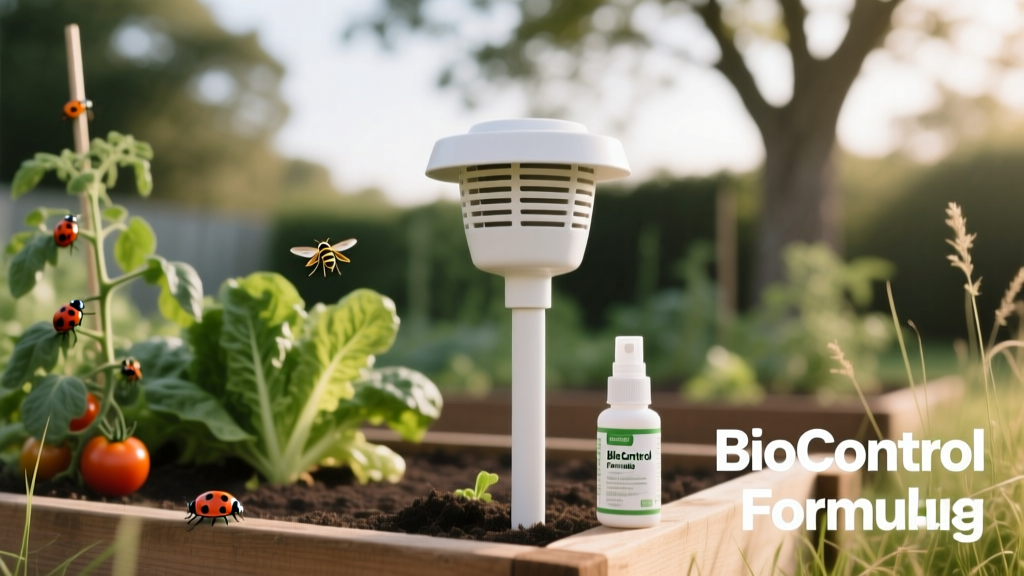
Squirrel Deterrents 2026: Baffles & Capsaicin Bio-Control
Robert HayesPublished
The Ecological Case for Squirrel Bio-Control
As we navigate the 2026 growing season, integrated pest management (IPM) has evolved far beyond simply managing aphids and caterpillars. Vertebrate pests, particularly tree squirrels, pose a significant threat to garden crops, bird feeders, and ornamental bulbs. However, the historical reliance on toxic rodenticides has proven disastrous for the broader garden ecosystem. From a bio-control perspective, managing squirrels requires a nuanced approach that protects the delicate food web—specifically the beneficial insects and insectivorous birds that serve as your garden's natural defense force against invertebrate pests.
Squirrels are notorious for tearing up mulch, digging in garden beds, and raiding fruit and vegetable crops. In doing so, they destroy the overwintering habitats of crucial predatory insects like carabid ground beetles and beneficial nematodes. Furthermore, the use of anticoagulant rodenticides to control squirrel populations leads to secondary poisoning. When an insectivorous songbird or a predatory owl consumes a poisoned squirrel, the toxin bioaccumulates, decimating the very wildlife populations that keep your garden's pest insect numbers in check. According to the Environmental Protection Agency (EPA), moving away from broad-spectrum poisons is critical for maintaining environmental safety and protecting non-target wildlife.
To preserve the ecological balance and safeguard beneficial insects, modern IPM strategies rely on physical exclusion and botanical repellents. The combination of properly installed baffles and targeted capsaicin sprays represents the gold standard for 2026 squirrel bio-control, offering a non-toxic, highly effective barrier that leaves pollinators and predatory insects completely unharmed.
Physical Exclusion: The Baffle Strategy
Physical barriers are the first line of defense in any bio-control program. Because squirrels are incredibly agile—capable of jumping up to 5 feet vertically and 10 feet horizontally from a standing position—standard fencing is rarely sufficient for isolated garden features like bird feeders, raised beds, or fruit trees. Baffles provide a mechanical deterrent that exploits the squirrel's inability to climb past an overhanging or smoothly sloped surface.
When installing baffles in 2026, precision in measurement and placement is paramount. If a baffle is placed too low, a squirrel will simply reach around it; if it is too narrow, they will stretch past the edge. The Internet Center for Wildlife Damage Management recommends strict adherence to dimensional guidelines to ensure the physical barrier remains impenetrable.
2026 Baffle Specifications and Applications
| Baffle Type | Best Application | Minimum Dimensions | Installation Height |
|---|---|---|---|
| Torpedo (Cylindrical) | Thin metal poles (up to 2 inches wide) | 18-inch diameter, 24-inch length | Minimum 5 feet above ground |
| Dome (Disc) | Thicker poles, wooden posts, shepherd hooks | 24-inch diameter | 4 to 5 feet above ground |
| Hanging (Inverted Cone) | Suspended bird feeders and hanging baskets | 18-inch diameter | Above the feeder, below branches |
For pole-mounted bird feeders, which are frequent targets for squirrel foraging, a torpedo baffle made of powder-coated steel or UV-stabilized polycarbonate is ideal. Ensure the pole is positioned at least 10 feet away from any nearby trees, fences, or rooflines to prevent horizontal leaping. By securing these food sources physically, you reduce the squirrel traffic in your garden, which in turn reduces the accidental trampling and soil disturbance that harms ground-dwelling beneficial insects.
Capsaicin Spray: Botanical Bio-Control
When physical barriers cannot be applied directly to plants—such as with sprawling tomato vines, ripening strawberries, or tulip bulbs—botanical repellents become necessary. Capsaicin, the active chemical compound found in hot chili peppers, is a cornerstone of organic vertebrate pest management. From a bio-control standpoint, capsaicin is a marvel of evolutionary targeting.
The Science of TRPV1 Receptors
Capsaicin works by binding to the TRPV1 receptor, a protein found in the sensory neurons of mammals that detects heat and pain. When a squirrel bites into a capsaicin-treated strawberry, the compound triggers an intense burning sensation, teaching the animal to avoid the crop in the future. Crucially, birds, reptiles, and all insects lack the TRPV1 receptor. This means that capsaicin is entirely inert to the insect world.
This biological specificity is what makes capsaicin an essential tool for beneficial insect conservation. Broad-spectrum chemical repellents and neurotoxic pesticides often harm non-target organisms, including vital pollinators like native bees and predatory insects like ladybugs and parasitic wasps. The Xerces Society for Invertebrate Conservation continually emphasizes the importance of using targeted, non-toxic botanicals to protect invertebrate populations. By utilizing capsaicin, you can deter mammalian foragers without disrupting the biological control services provided by beneficial arthropods.
Advancements in 2026 Capsaicin Formulations
Historically, DIY capsaicin sprays (made from blended habaneros and water) washed off in the rain and degraded rapidly under UV sunlight. In 2026, commercial OMRI-listed (Organic Materials Review Institute) capsaicin sprays utilize advanced micro-encapsulation technology. The capsaicin oil is suspended in microscopic, biodegradable polymer spheres that adhere to plant cuticles and release slowly over time, providing up to 30 days of weather-resistant protection. These formulations often include natural surfactants derived from yucca extract, ensuring the spray coats the leaves evenly without blocking stomata or harming the plant's photosynthetic processes.
Step-by-Step Implementation Guide
To effectively integrate baffles and capsaicin sprays into your garden's IPM strategy without disrupting beneficial insect habitats, follow this actionable protocol:
- Step 1: Audit and Install Baffles (Early Spring): Before the spring planting rush, inspect all bird feeders, rain barrels, and isolated fruit trees. Install 24-inch dome baffles on thick wooden posts and 18-inch torpedo baffles on metal poles. Ensure the surrounding area is clear of 'launch pads' like stacked firewood or tall shrubs.
- Step 2: Soil and Bulb Treatment (Pre-Planting): Squirrels frequently dig up newly planted bulbs and disturb the mulch layer where predatory ground beetles reside. Before mulching, treat the soil surface and bulbs with a granular, capsaicin-based repellent. This masks the scent of the bulbs and deters digging, preserving the soil structure and the micro-habitats of beneficial nematodes.
- Step 3: Foliar Capsaicin Application (Fruiting Stage): Once your tomatoes, peppers, and berries begin to set fruit, apply a micro-encapsulated liquid capsaicin spray. Apply in the early evening when pollinators are inactive to allow the spray to dry completely. Once dry, the residue is safe for bees and butterflies to land on, as they do not possess the mammalian pain receptors.
- Step 4: Reapplication and Monitoring: Reapply the liquid capsaicin spray every 21 to 30 days, or immediately after heavy, prolonged rainfall. Monitor the garden for signs of squirrel activity (e.g., half-eaten fruit or dug-up soil). If activity persists, increase the concentration of the capsaicin spray or add a secondary physical barrier, such as bird netting, which also allows beneficial insects to pass through while excluding larger vertebrates.
Protecting the Broader Garden Ecosystem
The ultimate goal of the 'Beneficial Insects & Bio-Control' approach is to foster a self-regulating ecosystem. When you eliminate toxic rodenticides from your pest management toolkit, you protect the local population of insectivorous birds, such as chickadees, wrens, and swallows. A single brood of chickadees requires thousands of caterpillars and soft-bodied insects per day to fledge. By keeping these birds safe from secondary poisoning, you are effectively employing them as aerial bio-control agents against aphids, cabbage worms, and tent caterpillars.
Similarly, by using physical baffles to keep squirrels out of bird feeders, you ensure that high-energy suet and seed remain available for wild birds, especially during the winter and early spring when natural insect prey is scarce. Furthermore, by relying on botanical capsaicin sprays instead of synthetic chemical deterrents, you maintain a toxic-free soil microbiome. Healthy, undisturbed soil teems with mycorrhizal fungi and predatory mites that naturally suppress root-feeding pests and soil-borne diseases.
In 2026, successful pest control is not about total eradication; it is about intelligent management and ecological harmony. By combining the mechanical reliability of properly sized baffles with the biological precision of capsaicin sprays, you can protect your harvest from squirrels while ensuring that your garden remains a thriving sanctuary for the beneficial insects and wildlife that keep your landscape healthy, vibrant, and naturally resilient.