Gardening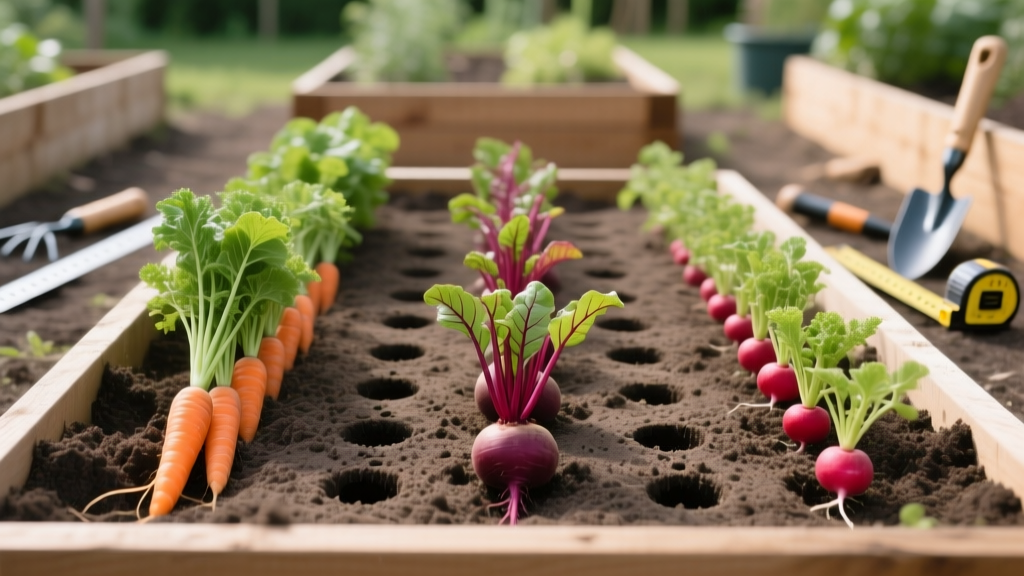
2026 Root Vegetable Spacing & Core Aeration Guide
Anna KowalskiPublished
The 2026 Shift: Why Core Aeration Matters for Root Crops
As we navigate the 2026 gardening season, the horticultural consensus has firmly shifted away from destructive rototilling and toward targeted soil aeration. For root vegetables like carrots, beets, and radishes, soil structure is the single most critical factor determining yield, straightness, and overall health. Core aeration—the process of extracting small plugs of soil to relieve compaction without inverting the soil profile—has emerged as a game-changer for home gardeners and market farmers alike.
According to the Rodale Institute, preserving the soil web and avoiding deep mechanical inversion prevents the destruction of vital mycorrhizal fungal networks. When you rototill a bed for root crops, you create a hardpan layer just below the tiller's reach. This hardpan causes carrots to fork and beets to stunt. By utilizing core aeration techniques adapted for garden beds, you create deep oxygen channels that encourage taproots to plunge downward, resulting in perfectly straight, robust vegetables.
Micro-Coring vs. Tilling: Preserving the Soil Web
Traditional lawn core aerators use hollow tines to remove 2-to-3-inch plugs of earth. In 2026, specialized garden micro-corers and deep-tine broadforks have become the standard for vegetable prep. These tools extract narrow cores or simply fracture the subsoil, allowing water, air, and nutrients to penetrate deeply. For heavy clay soils, this is revolutionary. The University of Minnesota Extension notes that root vegetables require a loose, well-draining seedbed to expand properly, and their research on root crop cultivation emphasizes that reducing soil bulk density is essential for preventing misshapen taproots.
By core aerating your beds two weeks before sowing, you give the soil plugs time to break down and integrate into the topsoil, creating a friable, crumbly texture that is ideal for seed germination and root expansion. This method also preserves the capillary action of the soil, ensuring consistent moisture levels that prevent radishes from becoming pithy or carrots from cracking due to uneven watering.
Optimal 2026 Spacing Charts for Aerated Beds
One of the most significant advantages of core-aerated soil is the ability to optimize plant spacing. In compacted, poorly aerated soil, roots must spread laterally to find oxygen and nutrients, requiring wider spacing to reduce competition. However, in a deeply aerated bed, roots grow vertically and efficiently, allowing for tighter, grid-based spacing that maximizes yield per square foot.
| Crop Type | 2026 Variety Examples | Traditional Tilled Spacing | Core-Aerated Bed Spacing | Thinning Requirement |
|---|---|---|---|---|
| Carrots (Nantes/Danvers) | Yaya, Napoli | 2-3 inches apart | 1.5-2 inches apart | Moderate |
| Beets (Globe/Cylindrical) | Chioggia, Cylindra | 3-4 inches apart | 2.5-3 inches apart | Heavy |
| Radishes (Spring/Winter) | Cherry Belle, Watermelon | 2-3 inches apart | 1.5-2 inches apart | Light |
Crop-Specific Aeration and Spacing Strategies
Carrots: The Deep Taproot Challenge
Carrots are notoriously sensitive to soil resistance. Even a small pebble or a minor layer of compaction can cause the taproot to bifurcate. In 2026, the most successful carrot growers are using manual step-coring tools to extract 4-inch deep plugs across the planting row. After coring, fill the holes with a mix of fine compost and vermiculite. This creates a soft runway for the carrot seed. Because the aeration provides deep vertical pathways, you can space your Nantes and Danvers varieties just 1.5 inches apart in a grid pattern, increasing your bed yield by up to 30% compared to traditional row spacing.
Beets: Managing the Multi-Germ Seed
Beet seeds are actually dried fruit clusters containing multiple embryos, meaning thinning is always required. However, beets are slightly more forgiving of lateral soil pressure than carrots. When prepping a bed for beets, use a broadfork or a wide-stance core aerator to fracture the soil to a depth of 6 inches. The improved drainage prevents the crown of the beet from rotting during heavy spring rains. Space your aerated-bed beets 2.5 inches apart, and when thinning, use scissors to snip the excess seedlings at the soil line rather than pulling them, which can disturb the delicate root hairs of the neighboring plants.
Radishes: The Fast-Growing Soil Indicators
Radishes are often used as a cover crop to break up compaction, but when growing them for harvest, they require rapid, unimpeded expansion. Spring radishes like Cherry Belle mature in under 30 days. If the soil is compacted, they will bolt to seed before forming a proper bulb. Core aerating the top 3 inches of the bed and top-dressing with compost ensures the rapid moisture uptake these fast-growing crops demand. Space them 1.5 inches apart. For large winter radishes like Watermelon or Daikon, treat them like carrots: deep core aeration is mandatory, and spacing should be increased to 4 inches even in aerated soil to accommodate their massive girth.
Step-by-Step Core Aeration for Raised Beds and Clay Soils
Implementing core aeration in a vegetable garden requires a slightly different approach than aerating a turf lawn. Here is the 2026 best-practice protocol for prepping your root vegetable beds:
- Moisture Check: Water the bed deeply 24 hours before aerating. The soil should be moist but not waterlogged. If it is too dry, the coring tines will not penetrate; if too wet, you will create muddy smears that worsen compaction.
- Select the Right Tool: For raised beds, a handheld manual garden corer or a specialized micro-aerator attachment for a cordless drill is ideal. For in-ground clay beds, a heavy-duty steel step-aerator or a broadfork is necessary to achieve the required 4-to-6-inch depth.
- The Coring Pass: Make two passes over the bed. The first pass should be in a standard grid pattern, spacing the cores about 4 inches apart. The second pass should be diagonal to the first, ensuring maximum fracturing of the subsoil.
- Top-Dressing: Leave the extracted soil plugs on the surface to dry and break down over the next week. Alternatively, sweep a layer of screened compost over the bed so it falls into the aeration holes, permanently improving the soil structure.
- Sowing: Once the plugs have broken down, lightly rake the surface to create a fine tilth for your carrot, beet, and radish seeds.
2026 Tool Recommendations and Pricing
The market for garden-specific aeration tools has expanded significantly. While traditional lawn aerators are too bulky and heavy for delicate raised beds, the following tools represent the best investments for the 2026 season:
- Manual Step-Corers (e.g., Yard Butler or Agri-Fab): Priced between $45 and $85 in 2026, these are perfect for small in-ground beds. They feature footpegs and hollow tines that extract 3-inch plugs with minimal back strain.
- Cordless Drill Auger Attachments: For raised beds, a 2-inch soil auger bit attached to an 18V or 20V cordless drill allows you to micro-core the bed rapidly. These bits cost around $25 and are highly effective for creating targeted compost channels.
- U-Bar Diggers and Broadforks: While technically deep-tine aerators rather than plug extractors, tools like the Meadow Creature Broadfork ($250-$350) fracture the soil to 12 inches without removing plugs, making them the ultimate tool for deep-rooted Daikon radishes and long carrots.
Sowing, Thinning, and Post-Aeration Care
After aerating and prepping your seedbed, proper sowing technique is paramount. Because core aeration improves water infiltration, you must be careful not to overwater immediately after sowing, which can wash away tiny carrot and radish seeds. Use a fine mist nozzle or a soaker hose placed adjacent to the rows.
Thinning remains the most dreaded task for root vegetable growers, but it is non-negotiable. Even with the optimized 2026 spacing charts for aerated beds, overcrowding will result in twisted carrots and marble-sized beets. According to expert guidelines from Gardeners Supply Company, thinning should occur when the seedlings have developed their first set of true leaves. Always thin after a light rain or watering, as the softened soil releases the unwanted seedlings more easily, minimizing the risk of snapping the taproot of the plant you intend to keep.
Conclusion: The Future of Root Crop Cultivation
Embracing core aeration for your vegetable garden is a paradigm shift that pays dividends in the harvest basket. By abandoning the rototiller and adopting targeted plug extraction and deep-tine fracturing, you build a resilient, living soil ecosystem. When combined with the precise, optimized spacing guidelines for carrots, beets, and radishes outlined above, your 2026 garden will produce the straightest, sweetest, and most abundant root vegetables you have ever grown. The secret is in the soil structure, and aeration is the key to unlocking it.
