Gardening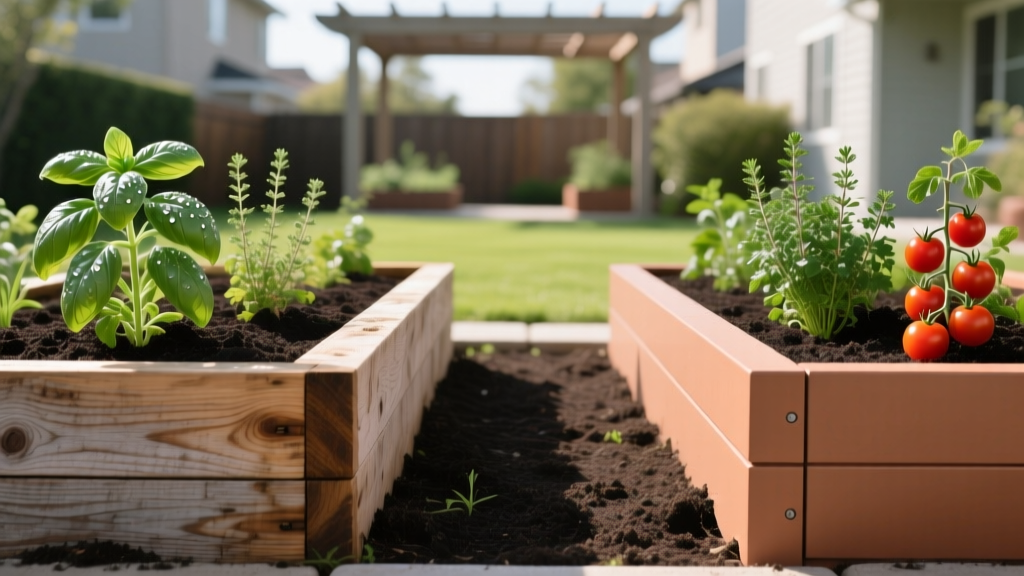
2026 Cedar vs Composite Raised Bed Kits: Cost & Longevity
David ParkPublished
The Foodscaping Revolution of 2026
Edible landscaping, commonly known as foodscaping, has彻底 transformed how homeowners view their outdoor spaces in 2026. No longer relegated to hidden backyard plots, vegetable and herb gardens are now taking center stage in front yards, courtyards, and premium landscape designs. The foundation of any successful foodscape is the raised bed, which provides superior drainage, defined aesthetics, and optimized soil conditions. When selecting materials for these structures, the debate almost always narrows down to two primary contenders: natural cedar and modern composite. Both offer distinct advantages for integrating food production into ornamental landscapes, but they differ wildly in cost, longevity, and maintenance requirements.
As we navigate the 2026 gardening season, supply chain stabilizations and advancements in recycled materials have shifted the pricing and performance dynamics of raised bed kits. Whether you are designing a formal potager garden or a casual front-yard edible landscape, understanding the true lifetime value of cedar versus composite is essential for making an informed investment.
Cedar Raised Bed Kits: The Natural Standard
Western Red Cedar has long been the gold standard for organic gardeners and landscape designers who prefer a natural, rustic aesthetic. Cedar contains natural tannins and oils that make it highly resistant to rot, decay, and insect infestations without the need for chemical treatments. This makes it an incredibly safe choice for growing organic vegetables, fruits, and herbs.
2026 Cost Breakdown for Cedar
In 2026, the cost of lumber has seen moderate fluctuations, but pre-fabricated cedar raised bed kits remain highly accessible. A standard 4-foot by 8-foot cedar kit with a 12-inch depth typically ranges from $130 to $180, depending on the thickness of the boards (usually 1.5 to 2 inches thick). Premium kits featuring dovetail joints or integrated trellis systems can push the price closer to $250. While the upfront cost is relatively low, it is important to factor in the hidden costs of maintenance and eventual replacement.
Longevity and Lifespan
The lifespan of a cedar raised bed depends heavily on your local climate and soil moisture levels. In arid climates, a thick cedar bed can easily last 12 to 15 years. However, in humid regions or areas with heavy, moisture-retentive soils, the lower boards in direct contact with the ground may begin to soften and decay within 7 to 10 years. To maximize longevity, many foodscapers in 2026 are lining the interior walls of their cedar beds with heavy-duty landscaping fabric or food-safe HDPE plastic to prevent wet soil from resting directly against the wood.
Composite Raised Bed Kits: The Modern Contender
Composite raised beds are engineered from a blend of recycled high-density polyethylene (HDPE) plastics and reclaimed wood fibers. Over the past few years, composite manufacturing has evolved significantly, offering textures and colors that closely mimic natural wood grain while providing the indestructible nature of plastic. For modern, sleek foodscapes or HOA-regulated front yards, composite offers a clean, uniform appearance that never splinters or warps.
2026 Cost Breakdown for Composite
Composite kits command a higher premium upfront. A comparable 4-foot by 8-foot composite kit with a 12-inch depth generally costs between $220 and $320 in 2026. High-end modular systems, such as those featuring snap-together interlocking corners and integrated cap rails, can exceed $400. However, because composite materials are virtually immune to biological degradation, the long-term return on investment often justifies the initial expenditure.
Longevity and Lifespan
When discussing longevity, composite is the undisputed winner. A high-quality composite raised bed kit will easily last 25 to 30 years, and often outlives the gardener's desire to keep the bed in that specific location. It will not rot, it is impervious to termite damage, and it will not splinter. The color is typically extruded throughout the material, meaning it will not peel or flake, though it may experience very slight fading over decades of intense UV exposure.
Head-to-Head Comparison: Cedar vs. Composite
To visualize the differences, here is a structured comparison of cedar and composite raised bed kits based on 2026 market data and landscaping standards.
| Feature | Natural Cedar Kits | Composite Kits |
|---|---|---|
| Initial Cost (4x8x12) | $130 - $180 | $220 - $320 |
| Expected Lifespan | 7 - 15 Years | 25 - 30+ Years |
| 10-Year Cost of Ownership | Low (Potential sealing costs) | High (Zero maintenance costs) |
| Aesthetic Style | Rustic, Traditional, Organic | Modern, Uniform, Sleek |
| Soil Safety | 100% Natural, Untreated | Food-Safe HDPE, No Leaching |
| Maintenance | May require sealing; grays over time | Occasional soap and water wash |
| Assembly | Requires drilling/screwing | Often tool-free, interlocking |
Soil Safety and Edible Landscaping
A primary concern for any foodscape is the safety of the materials touching the soil where edibles are grown. According to guidelines on urban agriculture and soil safety from the Environmental Protection Agency (EPA), using physical barriers like raised beds is a primary strategy for avoiding native soil contamination. But what about the bed material itself?
Untreated cedar is universally recognized as safe for organic gardening. It leaches only natural tannins into the soil, which are harmless and can even have mild anti-fungal properties. You must ensure you are buying untreated cedar, as older pressure-treated lumber contained copper and arsenic compounds (though modern pressure-treated wood uses safer copper azole, it is still avoided by strict organic purists).
Composite lumber, specifically those made from HDPE (Recycling #2), is entirely food-safe. Modern 2026 composite formulations do not contain BPA, phthalates, or harmful plasticizers that could leach into the soil profile. As noted by university extension programs, such as the University of Wisconsin-Madison Extension, raised beds allow gardeners to control the soil environment completely, and inert materials like HDPE composite pose no toxicity risk to your tomatoes, root vegetables, or leafy greens.
Hidden Costs and Maintenance Realities
When budgeting your foodscaping project, look beyond the price tag of the kit. Cedar requires maintenance if you wish to preserve its original honey-blonde color. Without an annual application of a food-safe, plant-based sealant (like raw linseed oil), cedar will naturally weather to a silvery-gray patina. While many gardeners love this rustic look, the wood does become slightly more porous, which can harbor moisture and accelerate decay in the lower tiers.
Additionally, cedar kits rely on metal hardware (screws and corner brackets). In 2026, many mid-tier cedar kits still ship with standard galvanized screws that can rust and bleed unsightly stains down the face of the wood over time. Upgrading to stainless steel hardware is a hidden cost you should anticipate.
Composite, on the other hand, is virtually maintenance-free. It does not need sealing, staining, or painting. If soil or algae splatters onto the exterior, a simple power wash or scrub with soapy water restores it to its original state. Furthermore, many premium composite kits utilize interlocking corner joints that require zero screws, eliminating the risk of rust stains entirely.
Sustainability and Environmental Impact
Foodscaping is inherently tied to environmental stewardship, making the sourcing of your materials a vital consideration. Cedar is a renewable resource, but only if harvested responsibly. When purchasing cedar kits, look for the Forest Stewardship Council (FSC) certification. The FSC ensures that the wood is sourced from responsibly managed forests that provide environmental, social, and economic benefits, ensuring that your garden bed does not contribute to deforestation.
Composite materials win on the recycling front. By diverting millions of pounds of plastic and wood waste from landfills, composite beds are an act of upcycling. However, at the end of their 30-year lifespan, composite boards are notoriously difficult to recycle again, often ending up in a landfill. Cedar, conversely, is 100% biodegradable and can be broken down and added to your compost pile once it finally reaches the end of its structural integrity.
Which is Best for Your 2026 Foodscape?
The choice between cedar and composite ultimately depends on your design goals, budget, and how long you plan to stay in your home.
- Choose Cedar If: You are on a stricter initial budget, you prefer a traditional or rustic cottage-garden aesthetic, you are a strict organic purist who prefers natural materials, or you enjoy the hands-on maintenance of sealing and caring for wood.
- Choose Composite If: You are designing a modern front-yard foodscape where curb appeal and HOA compliance are paramount, you want a 'buy it for life' structure that will never rot or splinter, or you prefer a zero-maintenance material that allows you to spend your time harvesting rather than sanding and staining.
Both cedar and composite offer excellent frameworks for the modern edible landscape. By weighing the upfront costs against the decades-long longevity, you can select the perfect raised bed kit to anchor your 2026 foodscape and enjoy bountiful, beautiful harvests for years to come.
