Gardening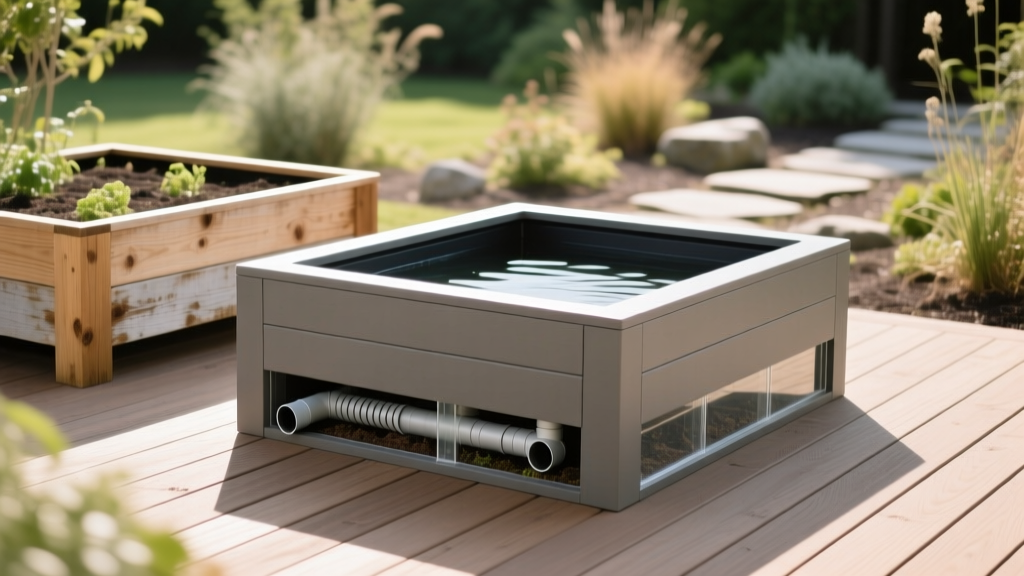
Cedar vs Composite Raised Beds 2026: Cost, Longevity & Drainage
Lisa ThompsonPublished
The 2026 Raised Bed Dilemma: Cedar vs. Composite
As we navigate the 2026 gardening season, the debate between traditional cedar and modern composite raised bed kits remains a central topic for home gardeners and landscape designers alike. While most comparisons focus strictly on aesthetics or initial material costs, a critical factor is frequently overlooked: subsurface water management. The longevity of any raised bed—whether crafted from natural western red cedar or high-density capped composite—is inextricably linked to how well the foundation handles excess moisture. This is where the strategic integration of a landscape drainage pipe system becomes the ultimate equalizer, transforming a vulnerable garden bed into a permanent, high-yielding growing space.
Cedar Raised Bed Kits: Natural Beauty and Vulnerability
Cedar has long been the gold standard for raised bed construction. In 2026, premium untreated western red cedar kits (such as those from Greenes Fence or Gardener's Supply Company) continue to offer unparalleled natural rot resistance and a classic aesthetic that blends seamlessly into organic garden designs. However, cedar is a porous, organic material. While it contains natural tannins that repel insects and delay fungal decay, it is not immune to the relentless forces of nature.
When a cedar raised bed is placed directly on flat, poorly draining soil, the bottom courses of the wood remain in constant contact with saturated earth. Over time, capillary action draws moisture upward into the wood grain. Without an escape route for subsurface water, the soil inside the bed becomes waterlogged, leading to anaerobic conditions that harm plant roots and accelerate the decomposition of the cedar walls. According to Penn State Extension's guide on raised bed construction, ensuring adequate drainage at the base of wooden beds is paramount to preventing premature structural failure and root rot diseases.
Composite Raised Bed Kits: Modern Durability and Moisture Traps
Composite raised bed kits, manufactured from a blend of recycled high-density polyethylene (HDPE) and wood fibers, have seen massive technological improvements by 2026. Modern capped composite boards feature a mineral-based core and a protective polymer shield that makes them virtually impervious to rot, splintering, and insect damage. Brands like Frame It All offer snap-together composite kits that promise decades of structural integrity.
However, composite materials present a unique hydrological challenge. Because the walls are entirely non-porous, water cannot wick through the sides of the bed as it can with raw cedar. While this keeps the exterior looking pristine, it means that all excess water must drain exclusively downward through the soil profile. If the native soil beneath the bed is heavy clay or compacted, water pools at the bottom of the composite bed, creating a perched water table. This trapped moisture can degrade the soil ecosystem, sour the dirt, and eventually compromise the metal or plastic corner brackets that hold the composite boards together.
The Role of Landscape Drainage Pipes in Raised Bed Longevity
To mitigate the inherent drainage flaws of both cedar and composite kits, professional landscapers are increasingly integrating perforated landscape drainage pipes into the base or immediate perimeter of raised beds. A landscape drainage pipe—typically a corrugated or rigid PVC pipe featuring small perforations—acts as a subsurface French drain. It intercepts rising groundwater and lateral runoff, channeling it away from the bed's foundation.
By laying a network of 3-inch or 4-inch perforated drainage pipes beneath a layer of washed gravel at the base of your raised bed, you create an artificial aquifer that rapidly pulls water away from the root zone. For cedar beds, this keeps the bottom timbers dry, effectively doubling their lifespan. For composite beds, it prevents the accumulation of stagnant, acidic water at the base, protecting the hardware and maintaining optimal soil aeration. The University of Minnesota Extension emphasizes that subsurface drainage systems are essential for managing heavy clay soils and protecting landscape investments from water damage.
2026 Cost Comparison: Cedar vs. Composite with Drainage Integration
When budgeting for a 4x8-foot raised bed in 2026, you must factor in not just the kit cost, but the materials required for a proper drainage pipe foundation. Below is a comprehensive breakdown of current market averages.
| Material Type | Avg. Kit Cost (4x8) | Drainage Pipe & Gravel Add-on | Total Estimated Cost | Expected Lifespan (No Drainage) | Expected Lifespan (With Drainage Pipe) |
|---|---|---|---|---|---|
| Untreated Cedar | $180 - $250 | $85 - $120 | $265 - $370 | 7 - 12 Years | 15 - 20+ Years |
| Capped Composite | $350 - $500 | $85 - $120 | $435 - $620 | 15 - 25 Years | 30 - 50+ Years |
*Note: Drainage add-on costs include 20 feet of perforated corrugated landscape drainage pipe, landscape fabric, and 10 cubic feet of washed drainage gravel, based on early 2026 hardware pricing.
Selecting the Right Landscape Drainage Pipe
Not all drainage pipes are created equal. When outfitting your raised bed foundation, you generally have two choices:
- Corrugated Flexible Pipe: This is the most common and cost-effective option. It is easy to bend around the perimeter of the bed or lay in a grid pattern underneath. However, the ridges can trap sediment over time if not properly wrapped in a high-quality geotextile fabric.
- Rigid Schedule 40 PVC (Perforated): More expensive and harder to cut, but vastly superior for long-term longevity. Rigid PVC does not crush under the weight of heavy, wet soil and features smooth interiors that allow water and fine silt to flush through without clogging. For permanent composite raised beds, rigid PVC is the recommended 2026 standard.
Step-by-Step: Installing a Drainage Pipe System Under Your Raised Bed
To maximize the longevity of your cedar or composite kit, follow these installation steps before filling your bed with soil:
- Excavate the Base: Dig out the footprint of your 4x8 raised bed to a depth of 6 inches. Ensure the trench slopes slightly (about 1/8 inch per foot) toward your desired water discharge area, such as a dry well, French drain, or lower elevation in your yard.
- Lay the Geotextile Fabric: Line the trench with a permeable landscape fabric. This is a non-negotiable step; the fabric prevents native soil from migrating into the gravel and clogging your drainage pipe.
- Add the Gravel Base: Pour a 2-inch layer of washed 3/4-inch crushed gravel into the trench. Tamp it down to create a stable, porous foundation.
- Position the Drainage Pipe: Lay your perforated landscape drainage pipe on top of the gravel. Ensure the perforations are facing downward or to the sides, not upward. This allows water to enter the pipe from the bottom as the gravel bed saturates, preventing soil from washing directly into the holes.
- Cover and Protect: Cover the pipe with another 2 to 3 inches of washed gravel. Fold the excess landscape fabric over the top of the gravel to create a "gravel burrito," completely encapsulating the drainage system and blocking topsoil intrusion.
- Assemble and Fill: Place your cedar or composite raised bed kit directly over the prepared base. Fill the bed with your preferred raised bed soil mix, leaving the bottom 4 inches as a transition zone of coarse organic matter to further encourage downward water percolation into the pipe system.
Conclusion: Investing in the Foundation
The choice between cedar and composite raised bed kits in 2026 ultimately comes down to your budget, aesthetic preferences, and willingness to perform maintenance. Cedar offers a beautiful, natural, and more affordable entry point, but demands vigilance against moisture decay. Composite provides a nearly indestructible, zero-maintenance wall system but requires a higher upfront investment and careful management of internal soil hydrology. Regardless of which material you choose, integrating a perforated landscape drainage pipe into the foundation is the single most effective upgrade you can make. By controlling subsurface water, you protect your financial investment, preserve the structural integrity of your beds, and create a healthier, more oxygen-rich environment for your vegetables and flowers to thrive for decades to come.
