Gardening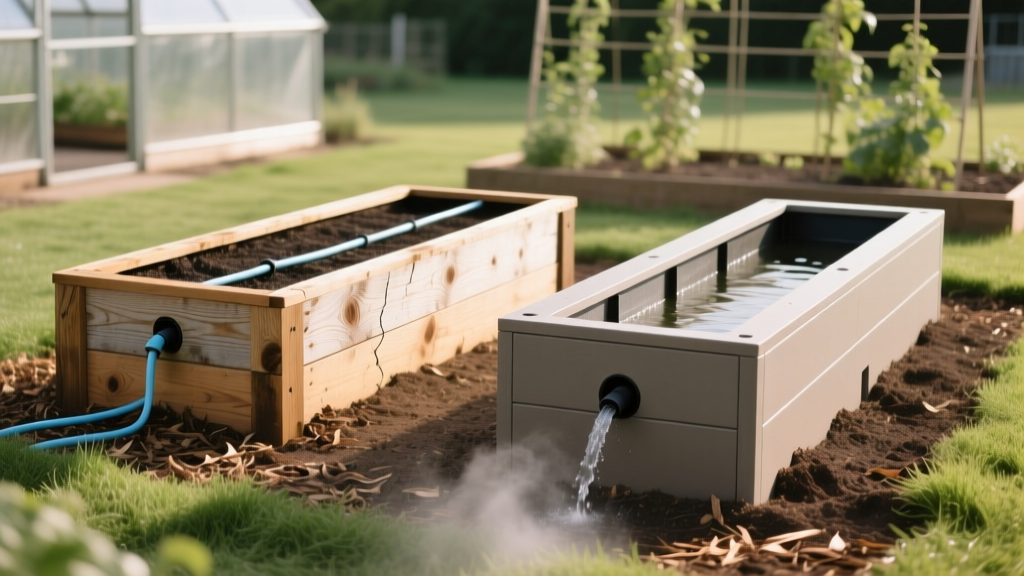
Cedar vs Composite Raised Beds: 2026 Irrigation Cost Guide
Mike RodriguezPublished
The Hydro-Dynamics of Raised Bed Materials in 2026
When planning a vegetable or flower garden in 2026, the debate between cedar and composite raised bed kits usually centers on aesthetics, eco-friendliness, and upfront pricing. However, from an irrigation and water management perspective, the material you choose fundamentally dictates how your sprinkler and drip systems perform, how much water you waste, and how long the bed will survive constant moisture exposure. With municipal water rates climbing and drought restrictions tightening across many climate zones, pairing the right bed material with the correct irrigation strategy is no longer optional. According to EPA WaterSense, outdoor water use accounts for nearly 30% of total household water consumption, making efficient garden irrigation a critical priority for modern homeowners.
The interaction between your raised bed walls and your watering system is a complex relationship of capillary action, thermal retention, and material degradation. Whether you are utilizing overhead oscillating sprinklers, rotary nozzles, or sub-surface drip lines, the physical properties of cedar and composite materials will alter your soil moisture dynamics. Understanding these differences is the key to maximizing your harvest while minimizing your water bill and replacement costs over the next decade.
Cedar Raised Beds: Porosity, Wicking, and Sprinkler Risks
Untreated cedar is a beloved, traditional choice for raised beds due to its natural rot resistance and beautiful aging process. However, cedar is a porous, organic material. It breathes, expands, contracts, and most importantly, it wicks moisture. When you use overhead sprinkler systems—such as impact sprinklers or oscillating fans—the constant bombardment of water on the exterior and top rim of the cedar boards keeps the wood perpetually damp. This creates an ideal environment for fungal growth and accelerates the breakdown of the wood's natural oils.
If a cedar bed is subjected to daily overhead sprinkler irrigation, its expected lifespan of 10 to 15 years can be drastically reduced to just 5 or 6 years. Furthermore, the porous nature of cedar means that the soil inside the bed can dry out faster along the edges, as the wood literally pulls moisture from the soil and evaporates it into the air. To combat this, cedar beds require a specific irrigation approach. Drip irrigation is highly recommended over sprinklers. By utilizing 1 GPH (gallon per hour) pressure-compensating drip emitters spaced 12 inches apart, you deliver water directly to the root zone while keeping the cedar walls completely dry, thereby preserving the structural integrity of the kit.
Composite Raised Beds: Impermeability, Heat, and Drip Synergy
Composite raised bed kits, typically manufactured from a blend of recycled high-density polyethylene (HDPE) and wood fibers, have surged in popularity by 2026 due to their zero-maintenance appeal. Unlike cedar, composite materials are entirely impermeable. They do not wick moisture, meaning overhead sprinklers will not cause the walls to rot, warp, or degrade. A high-quality composite bed can easily last 25 to 30 years, regardless of how frequently your sprinkler system runs.
However, composite materials introduce a different irrigation challenge: thermal retention and evaporation. Darker composite boards absorb significant solar radiation, which can heat the soil matrix near the edges of the bed. If you rely on overhead sprinklers, the water hitting this heated soil evaporates rapidly before it can penetrate deeply, leading to shallow root systems and water waste. Furthermore, because composite walls do not breathe, they can trap excess water if the bed lacks proper drainage, leading to anaerobic soil conditions. The University of Minnesota Extension emphasizes that targeted watering and heavy mulching are essential for managing soil temperatures and evaporation in impermeable garden structures. Therefore, composite beds demand a combination of subsurface drip irrigation and a thick layer of organic mulch to insulate the soil from the heat-conducting walls.
2026 Cost Analysis: Upfront Kit Prices vs. Water Bills
In 2026, the upfront cost of a standard 4x8 foot raised bed kit varies significantly by material. A premium untreated cedar kit typically ranges from $160 to $250, depending on the thickness of the boards (e.g., 1-inch vs. 2-inch lumber). Conversely, a comparable composite kit ranges from $280 to $420. While composite demands a higher initial investment, the long-term cost analysis must factor in irrigation efficiency and replacement frequency.
Because cedar wicks moisture, gardeners often find themselves running their sprinkler systems 15% to 20% longer to maintain adequate soil hydration near the bed edges. Over a 10-year period, this excess water usage can add hundreds of dollars to your municipal water bill. Composite beds, when paired with a smart drip irrigation system, seal moisture inside the soil profile, drastically reducing the gallons per minute (GPM) required to maintain optimal growing conditions. When you factor in the cost of replacing a rotted cedar bed after seven years versus the multi-decade longevity of composite, the composite kit often yields a superior return on investment for gardeners heavily reliant on automated irrigation.
Comparison Table: Cedar vs. Composite Under Automated Watering
| Feature | Cedar Raised Bed Kit | Composite Raised Bed Kit |
|---|---|---|
| Upfront Cost (4x8) | $160 - $250 | $280 - $420 |
| Lifespan with Overhead Sprinklers | 5 - 8 Years | 25+ Years |
| Lifespan with Drip Irrigation | 12 - 15 Years | 25+ Years |
| Moisture Wicking | High (Dries soil edges) | None (Retains soil moisture) |
| Heat Conductivity | Low (Natural insulation) | High (Requires mulch barrier) |
| Ideal Irrigation Match | Surface Drip Lines | Sub-surface Drip + Smart Sensors |
Designing the Ideal Irrigation Layout for Each Material
To maximize the longevity of your chosen material and the efficiency of your water usage, you must tailor your irrigation layout to the bed's physical properties. The EPA Irrigation Systems Guide strongly advocates for customized zoning and high-efficiency emitters to reduce outdoor water waste. Here is how to configure your system based on your kit material:
For Cedar Beds: The Surface Drip Grid
- Layout: Run 1/4-inch drip tubing in a grid pattern, spacing lines 12 inches apart. Keep the tubing at least 2 inches away from the interior cedar walls to prevent localized moisture trapping against the wood.
- Emitters: Use inline drip tubing with built-in 0.9 GPH emitters. This provides a slow, steady soak that penetrates deeply without splashing onto the wooden rims.
- Automation: Pair with a standard timer set to water early in the morning. Avoid evening watering, as the ambient humidity combined with damp wood accelerates rot.
For Composite Beds: The Sub-Surface Moisture Trap
- Layout: Install sub-surface drip irrigation (buried 2-3 inches under the soil) or cover surface drip lines with 3 inches of straw or wood chip mulch. This prevents the composite walls from heating the water in the drip lines and reduces surface evaporation.
- Drainage: Because composite does not breathe, ensure the bottom of the bed has a 2-inch layer of coarse gravel or pumice before adding soil, preventing waterlogging from heavy automated watering cycles.
- Automation: Utilize a smart Wi-Fi irrigation controller connected to a wireless soil moisture sensor placed in the center of the composite bed. This ensures the system only fires when the soil matrix genuinely requires hydration, preventing the anaerobic conditions that composite walls can inadvertently promote.
Final Verdict for 2026 Gardeners
The choice between cedar and composite raised bed kits ultimately depends on your irrigation philosophy and long-term budget. If you prefer the natural aesthetic of cedar and are willing to commit to a strict surface drip irrigation regimen that keeps the wood dry, cedar remains a beautiful, viable option. However, if you want a truly set-it-and-forget-it garden that withstands the abuse of overhead sprinklers, harsh weather, and fluctuating watering schedules, composite is the undisputed champion of longevity. By matching your bed material to the correct drip or sprinkler strategy, you will conserve water, lower your 2026 utility bills, and ensure a thriving garden for decades to come.
