Gardening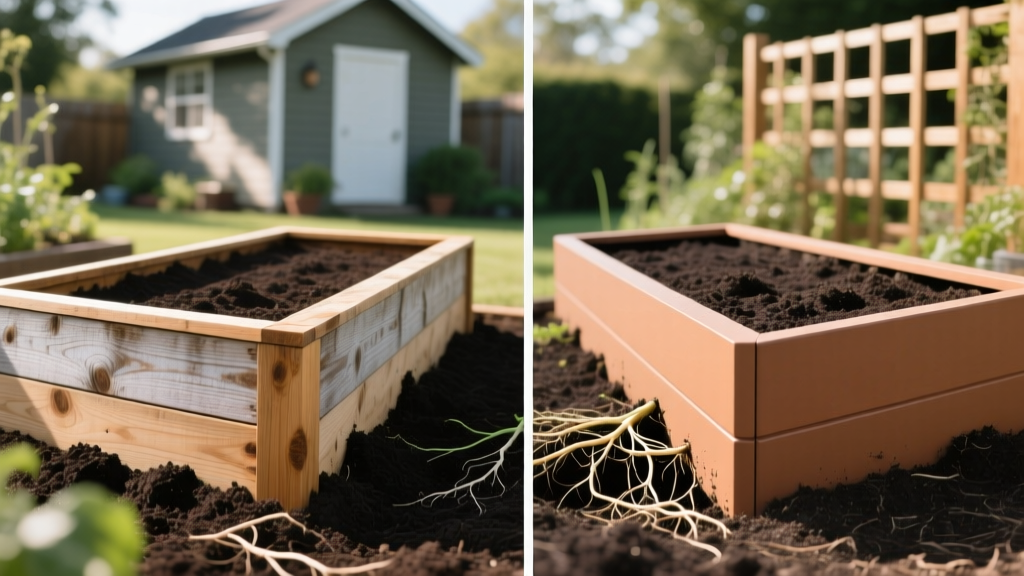
Cedar Vs Composite Raised Beds 2026: Cost & Longevity
Lisa ThompsonPublished
Introduction: The Intersection of Raised Beds and Soil Aeration
As a lawn care specialist who frequently transitions from turf management to garden bed preparation, I often get asked about core aeration. In the lawn world, mechanical core aeration is the gold standard for relieving soil compaction, pulling out plugs of earth to allow oxygen, water, and nutrients to reach deep root zones. But what happens when we apply the principles of core aeration to raised garden beds? The reality is that while you should never use a mechanical plug aerator inside a confined raised bed, the fundamental need to manage soil compaction and oxygen flow remains absolutely critical.
When evaluating the best materials for your garden in 2026, the debate almost always comes down to cedar vs composite raised bed kits. While most gardeners focus purely on aesthetics and upfront pricing, the material you choose profoundly impacts your soil's microclimate, moisture retention, and long-term compaction rates. In this comprehensive guide, we will break down the cost and longevity of cedar versus composite raised beds through the vital lens of soil aeration and structural health, ensuring your garden thrives for years to come.
The Core Aeration Connection: Why Bed Material Matters
To understand why the wall material of your raised bed affects soil aeration, we must first look at how compaction occurs in confined spaces. Over time, gravity, watering, and the natural breakdown of organic matter cause raised bed soil to settle. According to the Oregon State University Extension, this settling reduces pore space, limiting the oxygen available to plant roots and beneficial soil microbes.
In a traditional lawn, we use core aeration to physically remove soil plugs and break up this compaction. In a raised bed, the walls dictate the lateral movement of air and moisture. A breathable material like natural wood allows for micro-transpiration, helping to regulate soil moisture and prevent the anaerobic, compacted layers that often form at the base of impermeable beds. Conversely, fully sealed synthetic materials can trap moisture or, depending on the climate, bake the edges of the soil, leading to severe cracking and localized compaction that requires intensive manual aeration techniques to fix.
Cedar Raised Bed Kits: Cost, Longevity, and Soil Health
2026 Pricing and Lifespan
As of 2026, the lumber market has largely stabilized, making cedar an attractive option for gardeners seeking a natural aesthetic. A standard 4-foot by 8-foot cedar raised bed kit (11 inches deep) typically costs between $160 and $240, depending on the thickness of the boards and the hardware included. Untreated, naturally rot-resistant Western Red Cedar or Alaskan Yellow Cedar will generally last 10 to 15 years before the bottom boards begin to degrade, especially in damp climates.
The Aeration and Compaction Perspective
From a soil health standpoint, cedar is a breathable material. The microscopic pores in the wood allow for a slight exchange of moisture and air between the surrounding environment and the soil inside the bed. This natural "lateral aeration" helps prevent the soil from becoming waterlogged during heavy spring rains. Because the soil maintains a more consistent moisture level, it is less prone to the severe shrink-swell cycles that cause deep structural compaction. When it is time to manually aerate your cedar bed, the soil is typically looser and easier to penetrate with a broadfork, making your seasonal maintenance significantly less labor-intensive.
Composite Raised Bed Kits: Cost, Longevity, and Soil Health
2026 Pricing and Lifespan
Composite raised beds, made from a blend of recycled wood fibers and high-density polyethylene (HDPE) plastics, have surged in popularity due to their zero-maintenance appeal. In 2026, a comparable 4x8-foot composite kit costs between $280 and $380. While the upfront investment is notably higher, the longevity is unmatched. According to Fine Gardening, high-quality composite boards will not rot, splinter, or attract wood-boring insects, easily lasting 25 years or more.
The Aeration and Compaction Perspective
Composite materials are entirely impermeable. While this is excellent for retaining moisture in arid climates, it poses a unique challenge for soil aeration. Because air and excess water cannot escape through the walls, drainage relies 100% on the bottom of the bed. If the underlying native soil is heavy clay, or if the bed was not properly prepped with a drainage layer, an anaerobic, highly compacted layer will form at the base of the bed. Furthermore, composite boards absorb and radiate heat. In the peak of summer, the soil touching the inner walls can become excessively hot and dry, causing the soil to pull away from the edges and creating deep fissures that disrupt root networks and require targeted deep-watering and aeration to repair.
2026 Cost and Longevity Comparison Chart
| Feature | Cedar Raised Bed Kits | Composite Raised Bed Kits |
|---|---|---|
| Average Cost (4x8 ft) | $160 - $240 | $280 - $380 |
| Expected Longevity | 10 - 15 Years | 25+ Years |
| Material Breathability | High (Promotes lateral air/moisture exchange) | None (Impermeable, traps moisture/heat) |
| Compaction Risk | Moderate (Even moisture reduces severe settling) | High at base (Requires strict drainage management) |
| Maintenance Required | Occasional sealing or staining | None (Just washing) |
How to "Core Aerate" and Maintain Raised Bed Soil
Because you cannot use a traditional lawn core aerator in a raised bed without destroying the soil structure and damaging the bed walls, you must rely on manual, low-impact aeration techniques. The Royal Horticultural Society (RHS) emphasizes that preserving the delicate soil food web in raised beds is paramount. Here is how to manage compaction based on your chosen bed material:
1. The Broadfork Method (Deep Aeration)
Instead of pulling plugs, use a garden broadfork or a sturdy digging fork. Insert the tines 6 to 8 inches deep into the soil and gently pull back on the handle to "crack" the soil open. This introduces oxygen deep into the root zone without turning the soil upside down, which would disrupt beneficial mycorrhizal fungi. This is especially critical in composite beds where the bottom layer is prone to anaerobic compaction.
2. Top-Dressing with Compost (Biological Aeration)
Earthworms and soil microbes are nature's core aerators. Every spring, add a 2-inch layer of high-quality, screened compost to the surface of your beds. As worms pull this organic matter down into the soil profile, they create microscopic tunnels that dramatically improve water infiltration and oxygen flow. In cedar beds, this biological aeration is usually sufficient on its own due to the wood's natural breathability.
3. Managing Composite Edge-Baking
If you opt for composite kits, you must mitigate the heat transfer that causes edge compaction. Line the inside walls of your composite bed with natural corrugated cardboard or a layer of straw before filling it with soil. This creates an insulating barrier that keeps the soil temperature stable, preventing the soil from shrinking away from the walls and cracking.
4. Avoid Stepping and Heavy Tilling
The golden rule of raised bed gardening is to never step inside the bed. Keep your beds no wider than 4 feet so you can reach the center from either side. Additionally, avoid using motorized rototillers, which create a "hardpan" layer of compacted soil just beneath the tilling depth—a problem that mimics the exact compaction issues we use core aeration to fix on lawns.
Conclusion: Choosing the Right Bed for Your Soil Strategy
The decision between cedar and composite raised bed kits in 2026 ultimately depends on your budget, your desired maintenance level, and your local climate. Cedar offers a lower upfront cost, a natural aesthetic, and a breathable environment that inherently supports better lateral soil aeration and reduces severe compaction risks. Composite, while significantly more expensive initially, provides a lifetime of structural integrity with zero rot, provided you are diligent about managing base drainage and insulating the soil from edge-heat.
By viewing your raised bed not just as a container, but as a living, breathing ecosystem that requires thoughtful aeration and compaction management, you can maximize your yields and ensure your garden remains healthy, loose, and productive for decades. Whether you choose the natural respiration of cedar or the enduring shield of composite, pairing your choice with proper broadforking and compost top-dressing will guarantee your soil remains as healthy as the plants it supports.
