Gardening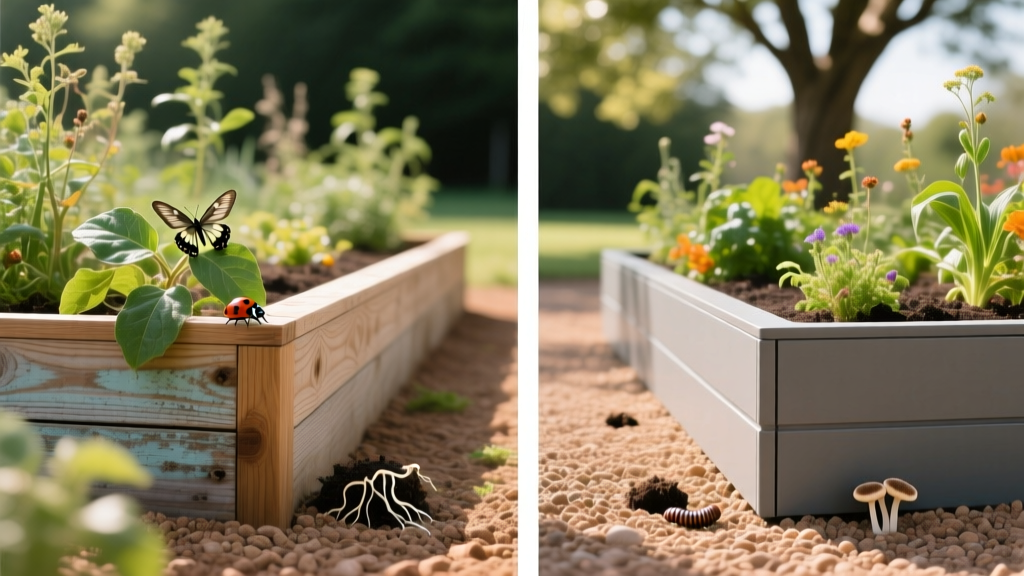
Cedar Vs Composite Raised Beds 2026: Cost & Bio-Control
Mike RodriguezPublished
Introduction to 2026 Raised Bed Gardening and Ecosystem Health
As we navigate the 2026 gardening season, the shift toward regenerative and ecologically mindful landscaping has never been more pronounced. Gardeners are no longer just asking which raised bed kit will look the best or hold the most soil; they are asking how their infrastructure choices impact the local ecosystem. When evaluating cedar vs composite raised bed kits, cost and longevity are the traditional metrics. However, from a bio-control and beneficial insect perspective, the materials you choose dictate the microclimate, soil chemistry, and overwintering viability for essential garden allies like ground beetles, solitary bees, and entomopathogenic nematodes.
In this comprehensive 2026 guide, we will break down the financial and structural realities of cedar and composite raised beds, while taking a deep dive into how each material supports—or hinders—natural pest management and soil microbiome health.
The 2026 Cost Breakdown: Cedar vs. Composite Kits
Market stabilization in the lumber and recycled plastics sectors has shifted pricing in 2026. When budgeting for a standard 4x8-foot raised bed kit (11 inches deep), here is what you can expect to pay this year:
- Western Red Cedar Kits: In 2026, a high-quality, untreated Western Red Cedar kit averages between $280 and $360. Cedar remains a premium natural wood, prized for its aesthetic and natural rot resistance, though supply chain fluctuations from sustainable forestry initiatives can cause regional price spikes.
- Composite Kits (HDPE/Wood Flour): Composite beds, made from a blend of recycled high-density polyethylene and wood fibers, range from $420 to $650 for the same dimensions. Brands utilizing advanced UV-inhibitors and capped composite technology sit at the higher end of this spectrum.
- Corrugated Metal (Bonus Comparison): While not the focus of this article, metal beds average $150 to $250 in 2026, though they present severe thermal challenges for soil biology.
While cedar wins the upfront cost battle, the true financial analysis must factor in replacement frequency and the hidden 'cost' to your garden's natural bio-control systems.
Longevity and Material Degradation Expectations
Longevity is where composite materials traditionally shine, but degradation impacts the soil food web in very different ways.
Cedar Lifespan (10 to 15 Years)
Untreated Western Red Cedar contains natural oils called thujaplicins, which act as powerful fungicides and insect repellents. In a damp garden environment, a cedar bed will typically last 10 to 15 years before the bottom boards succumb to wood-decaying fungi. As it slowly decomposes, it adds organic carbon to the surrounding soil, which is eventually broken down by detritivores like earthworms and saprophytic fungi.
Composite Lifespan (25 to 50 Years)
Composite kits are virtually immune to rot, fungal decay, and wood-boring insects. In 2026, top-tier composite beds are rated to last up to 50 years without structural failure. However, they do not biodegrade. Over decades, UV exposure and mechanical abrasion from gardening tools can cause microscopic shedding of plastic polymers into the soil matrix, a growing concern for long-term soil ecologists.
The Bio-Control Perspective: Beneficial Insects and Soil Microbes
According to The Xerces Society for Invertebrate Conservation, preserving undisturbed overwintering habitats and maintaining stable soil microclimates are critical for sustaining populations of beneficial insects. How do cedar and composite stack up in this regard?
Cedar and Natural Biocides: A Double-Edged Sword
The same thujaplicins that protect cedar from rot also leach into the adjacent soil, particularly during the first three years of the bed's life. While this leaching is highly effective at deterring destructive termites and certain soil-borne fungal pathogens, it can temporarily suppress the establishment of mycorrhizal fungi—the vital symbiotic networks that help plant roots absorb nutrients and resist stress.
Furthermore, predatory ground beetles (Carabidae), which are essential for consuming slug eggs and cutworms, prefer to overwinter in moist, decaying wood crevices. While cedar's natural oils might mildly deter some insects from boring into the wood itself, the damp soil interface at the base of a weathering cedar board provides an excellent, natural micro-habitat for these bio-control agents once the outer oils have weathered away.
Composite Materials and the Thermal Mass Problem
The most significant bio-control drawback of composite raised beds in 2026 is thermal mass and heat retention. Composite materials, particularly darker colors designed to mimic rich mahogany or espresso wood, absorb and radiate intense solar heat. During the erratic and severe summer heatwaves we are experiencing in 2026, the interior walls of a composite bed can easily exceed 115°F (46°C).
This creates a 'baked edge' effect in the outer two to three inches of soil. This thermal dead zone is lethal to entomopathogenic nematodes (EPNs), microscopic worms that gardeners rely on to naturally control grub and flea beetle larvae. It also drives away earthworms, forcing them deeper into the soil profile and away from the surface organic matter they need to process. If you rely on releasing beneficial nematodes or predatory mites for bio-control, composite walls require strategic shading or interior insulation to prevent your biological army from perishing before they can establish.
Comparison Chart: Cedar vs. Composite for Eco-Gardeners
| Feature | Western Red Cedar | Composite (HDPE/Wood) | Bio-Control & Ecology Impact |
|---|---|---|---|
| 2026 Avg Cost (4x8) | $280 - $360 | $420 - $650 | N/A (Financial metric) |
| Lifespan | 10 - 15 Years | 25 - 50 Years | Cedar returns carbon to soil; Composite risks microplastic shedding. |
| Heat Retention | Low (Insulative) | High (Thermal Mass) | Composite edges can bake soil, killing beneficial nematodes and earthworms. |
| Soil Leaching | Thujaplicins (Natural Oils) | Minimal (Inert polymers) | Cedar oils may temporarily slow mycorrhizal fungi establishment. |
| Overwintering Habitat | Excellent (Weathering wood) | Poor (Smooth, non-porous) | Cedar provides crevices for predatory beetles and solitary bees. |
Best Practices for Maximizing Bio-Control in Any Raised Bed
Whether you choose the natural decay of cedar or the permanent structure of composite, you can optimize your raised beds for natural pest management by following these 2026 best practices:
- Install a Buffer Liner: If using composite, line the interior walls with natural corkboard or untreated cardboard before adding soil. This insulates the soil from thermal spikes, protecting your beneficial nematodes and earthworms. If using fresh cedar, a heavy-duty landscape fabric liner prevents early-stage oil leaching from disrupting your soil microbiome.
- Plant Perimeter Trap and Nectar Crops: The edges of your raised bed are prime real estate for bio-control. Plant sweet alyssum and yarrow along the borders. According to the EPA's guidelines on safe pest control, providing continuous nectar sources keeps hoverflies and parasitic wasps localized to your garden, ensuring they are present when aphid or caterpillar populations surge.
- Create 'Beetle Banks' at the Base: Leave a small, undisturbed strip of native bunch grasses or leaf litter at the base of your raised beds. Penn State Extension notes that ground beetles and rove beetles require these undisturbed, moist zones to overwinter and reproduce. They will patrol the base of your cedar or composite beds at night, intercepting slugs before they climb your vegetables.
- Inoculate with Local Microbes: Because both new cedar oils and sterile composite environments lack native biology, always inoculate your 2026 raised bed soil with local compost and active aerated compost tea (AACT) to rapidly establish the fungal and bacterial networks required to support higher-level bio-control organisms.
Conclusion
The decision between cedar and composite raised bed kits in 2026 extends far beyond upfront costs and warranty periods. Cedar offers a biologically harmonious, albeit temporary, home that eventually feeds the soil food web and provides micro-habitats for predatory insects. Composite offers a permanent, rot-proof structure but requires active thermal management to protect sensitive soil biology and beneficial nematodes from extreme summer heat. By understanding the ecological footprint of your garden infrastructure, you can build a raised bed system that not only yields abundant harvests but actively supports the beneficial insects that do the heavy lifting of natural pest control.
