Gardening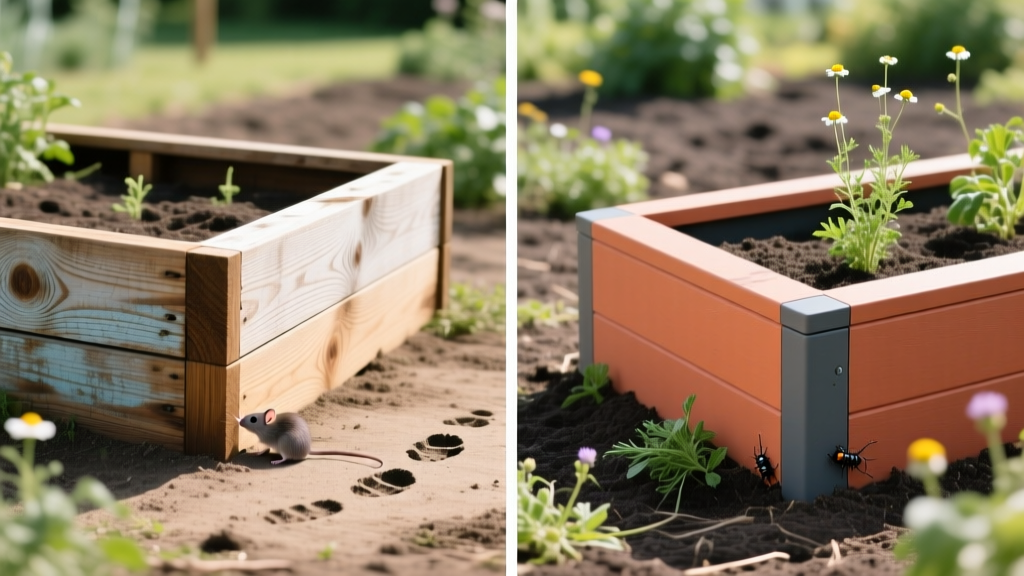
Cedar Vs Composite Raised Beds 2026: Wildlife & Cost Guide
David ParkPublished
The 2026 Wildlife-Resistant Garden: Choosing Your Raised Bed Material
As urban and suburban wildlife populations continue to adapt to human environments in 2026, home gardeners face an escalating battle to protect their vegetable and flower harvests. From foraging raccoons and digging groundhogs to wood-boring insects and nibbling squirrels, your garden's infrastructure is the first line of defense. When constructing raised beds, the debate between natural cedar and modern composite materials goes far beyond mere aesthetics. From a wildlife and yard animal management perspective, the material you choose dictates how vulnerable your soil ecosystem and plant roots will be to local fauna.
In this comprehensive 2026 guide, we break down the exact costs, longevity, and wildlife-deterrent properties of cedar versus composite raised bed kits, helping you build a resilient garden that coexists with local ecosystems while keeping destructive pests at bay.
Cedar Raised Beds: Natural Oils vs. Yard Pests
Western Red Cedar has long been the gold standard for natural garden construction. Its popularity stems from the presence of thujaplicins, natural chemical compounds that act as powerful fungicides and insect repellents. However, how does this natural defense hold up against the broader spectrum of yard wildlife?
Insect and Termite Resistance
Cedar's natural oils make it highly resistant to wood-destroying organisms. Termites, carpenter ants, and wood-boring beetles generally avoid untreated cedar. According to Penn State Extension, cedar's natural durability allows it to withstand direct soil contact for a decade or more without chemical treatments, making it a safe choice for organic gardeners who want to avoid leaching synthetic preservatives into habitats used by beneficial insects and earthworms.
The Rodent and Squirrel Problem
While cedar deters insects, it is surprisingly vulnerable to mammals. Squirrels, chipmunks, and even porcupines in rural areas are attracted to the soft, fragrant wood. It is common to find the corners of cedar beds chewed down by squirrels looking to file their teeth or access grubs hiding in the end-grain. Furthermore, as cedar ages and begins to soften from moisture exposure, it becomes easier for determined voles and mice to gnaw through weakened sections to access root vegetables like carrots and potatoes.
2026 Pricing and Longevity
As of 2026, a standard 4x8 foot cedar raised bed kit (untreated, 11 inches deep) costs between $180 and $280, depending on the grade of the lumber and regional availability. The expected lifespan is 10 to 15 years. However, in areas with high rodent activity or constant moisture, structural degradation from wildlife damage can reduce this lifespan to 7 to 9 years unless reinforced with metal corner brackets.
Composite Raised Beds: The Fortress Against Burrowers
Composite lumber, engineered from a blend of recycled wood fibers and high-density polyethylene (HDPE) plastics, has surged in popularity for gardeners prioritizing extreme durability. Brands like Trex and TimberTech have introduced agricultural-grade composite profiles specifically designed for soil retention and garden bed construction.
Impenetrable to Burrowing and Chewing Pests
From a wildlife management standpoint, composite is a fortress. Voles, gophers, and groundhogs cannot chew through the dense, plastic-bound matrix of composite boards. Unlike cedar, composite does not soften or rot when exposed to constant soil moisture, meaning there are no weak points for rodents to exploit. Raccoons, which frequently dig in garden beds to hunt for Japanese beetle grubs, also find it difficult to get a claw-hold on the smooth, dense edges of composite boards to pry them apart.
Thermal Retention and Soil Ecology
One critical wildlife consideration often overlooked is thermal retention. Composite materials absorb and retain heat significantly more than natural wood. In the peak of summer, the soil immediately adjacent to the composite walls can become several degrees warmer than the center of the bed. This heat gradient can drive away beneficial, shallow-burrowing earthworms and nematodes, pushing them deeper or out of the bed entirely. To mitigate this and maintain a healthy soil food web, gardeners using composite beds in 2026 are advised to apply a thick layer of organic mulch and ensure consistent deep-watering to regulate soil temperatures.
2026 Pricing and Longevity
The initial investment for composite is notably higher. A comparable 4x8 foot composite raised bed kit in 2026 ranges from $320 to $450. Despite the steep upfront cost, the longevity is virtually unmatched. Composite beds carry a 25-year to lifetime warranty against rot, splintering, and insect damage, making the lifetime cost significantly lower for gardeners dealing with aggressive local wildlife.
2026 Cost and Wildlife Resistance Comparison
| Feature | Western Red Cedar (4x8 Kit) | Composite / HDPE (4x8 Kit) |
|---|---|---|
| 2026 Average Cost | $180 - $280 | $320 - $450 |
| Expected Lifespan | 10 - 15 Years | 25+ Years |
| Termite / Insect Resistance | High (Natural Oils) | Impervious |
| Rodent Chew Resistance | Low to Moderate (Corners vulnerable) | High (Too dense to gnaw) |
| Deer Antler Rubbing Damage | Moderate (Splinters and dents) | Low (Scratches but holds structure) |
| Soil Ecology Impact | Neutral to slightly beneficial | Heat retention may displace earthworms |
Deer Rubbing and Structural Integrity
In suburban and rural areas, white-tailed deer frequently use the corners of raised beds to rub the velvet off their antlers in late summer and early fall. Cedar, being a relatively soft wood, can suffer severe splintering and structural compromise when subjected to repetitive deer rubbing. The corners may split, allowing moisture to enter the end-grain and accelerating rot. Composite materials, while not immune to cosmetic scratching, possess a high tensile strength that prevents the boards from splitting or snapping under the pressure of a 200-pound buck. If deer are a primary concern in your yard, composite offers superior structural resilience, though installing physical deer fencing or using scent-based repellents remains necessary to protect the plants within the bed.
Fortifying Your Beds: The Hardware Cloth Imperative
Whether you choose the natural charm of cedar or the impenetrable nature of composite, the material of the walls is only half the battle. The most destructive yard animals—voles, gophers, and moles—do not climb over walls; they tunnel underneath them. According to the University of California Statewide Integrated Pest Management Program, subterranean exclusion is the only reliable method for protecting root crops from burrowing mammals.
The L-Shaped Trench Method
To properly wildlife-proof your raised bed in 2026, you must install 1/2-inch galvanized hardware cloth at the base. Do not use chicken wire; voles can easily squeeze through the larger gaps, and raccoons can rip it apart.
- Measurement: Cut the hardware cloth so it extends 12 inches beyond the footprint of your raised bed on all sides.
- The L-Bend: Bend the outer 12 inches of the wire upward at a 90-degree angle to form an "L" shape. The wire should lay flat on the ground and extend up the inside walls of your cedar or composite bed.
- Attachment: For cedar beds, use heavy-duty galvanized staples to secure the wire to the bottom course of the wood. For composite beds, use stainless steel self-tapping screws with wide fender washers to avoid cracking the composite material.
This L-shaped barrier prevents burrowing animals from digging directly down next to the bed wall and tunneling under the wire. When they hit the horizontal wire barrier, their natural instinct is to dig outward, away from your precious root vegetables.
Managing the Yard Ecosystem
Effective wildlife management is not about creating a sterile, dead zone; it is about redirecting animal behavior. The National Wildlife Federation emphasizes the importance of providing alternative habitats and food sources to draw pests away from your cultivated garden beds.
If you are battling squirrels and chipmunks that chew on your cedar beds, consider planting a "distraction garden" of sunflowers and clover at the opposite end of your property. If raccoons are tearing up your composite beds in search of grubs, introduce beneficial nematodes (Heterorhabditis bacteriophora) to your lawn in the spring to naturally eradicate the grub population, removing the raccoons' primary food source. By pairing the right raised bed material with holistic yard management, you can protect your investment and your harvest.
Conclusion: Which Should You Choose in 2026?
The choice between cedar and composite ultimately depends on your local wildlife pressure and budget. If you live in an area with high termite activity but low rodent populations, and you prefer a natural, biodegradable material that supports a traditional soil ecosystem, cedar remains a beautiful, cost-effective choice for 2026. However, if your yard is a battleground against voles, gophers, squirrels, and woodpeckers, the premium investment in composite raised beds will pay dividends in longevity and structural integrity, providing a fortress for your plants that wildlife simply cannot breach.
