Lawn Care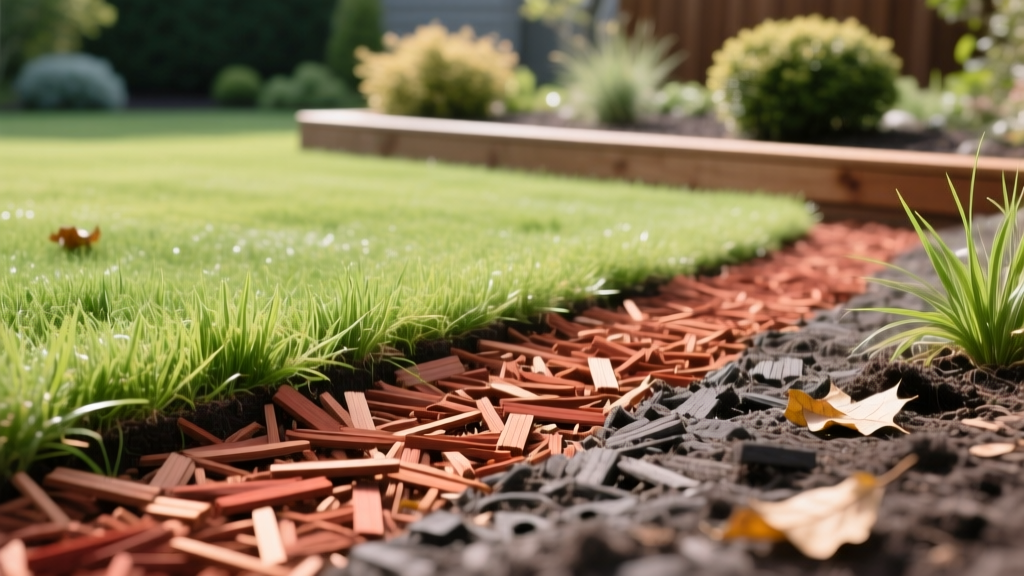
Cedar vs Hardwood Mulch for Aerated Lawn Borders 2026
Mike RodriguezPublished
The Intersection of Core Aeration and Bed Border Health
Core aeration is widely recognized as one of the most vital cultural practices for maintaining a thick, resilient lawn in 2026. By extracting small plugs of soil, you alleviate compaction, enhance water infiltration, and create pathways for oxygen and nutrients to reach the root zone. However, lawn care professionals and dedicated homeowners often overlook a critical component of the aeration process: the transition zones. The bed borders where your turf meets garden beds, walkways, and hardscapes are uniquely vulnerable to compaction, erosion, and moisture loss. Choosing the right mulch for these borders—specifically deciding between cedar and hardwood mulch—plays a surprisingly significant role in supporting the benefits of your core aeration efforts.
When you core aerate, the turf's root system expands and seeks out new resources. The edges of your lawn, however, are subjected to intense mechanical stress. Zero-turn mowers and heavy push mowers constantly pivot on these borders, creating a "compaction halo" that negates the benefits of aeration. According to turfgrass experts at the University of Minnesota Extension, relieving soil compaction is essential for root development, but maintaining that loose soil structure at the edges requires a protective buffer. Mulch serves as this buffer. It regulates soil temperature, retains the moisture that aerated roots desperately need, and prevents the soil structure from collapsing under foot traffic. Furthermore, the organic breakdown of mulch feeds the soil microbiome, extending the biological benefits of aeration into the adjacent garden beds.
Cedar Mulch for Lawn Bed Borders: Pros and Cons
Cedar mulch is prized for its rich color, pleasant aroma, and natural resistance to decay. Harvested primarily from cedar tree bark and heartwood, it contains natural oils, such as thujone, which act as a potent insect repellent and fungicide. From an aeration perspective, cedar mulch is an excellent choice if your primary goal is long-term edge stabilization. Because it breaks down very slowly, it provides a durable, physical barrier against mower-wheel compaction for several seasons. In 2026, premium cedar mulch typically costs between $4.50 and $6.00 per cubic foot, reflecting its status as a premium, long-lasting landscaping material.
However, its slow decomposition rate means it contributes very little organic matter to the underlying soil in the short term. If your aerated lawn borders suffer from poor soil biology and need an immediate influx of organic carbon to support microbial life, cedar might not be the most efficient choice. Additionally, the same oils that repel insects can temporarily inhibit the growth of beneficial soil fungi if applied too thickly against the turf edge. For lawns that have just been aggressively aerated and need rapid biological stimulation at the borders, cedar acts more as a protective shield than a soil amendment.
Hardwood Mulch for Lawn Bed Borders: Pros and Cons
Hardwood mulch, often made from shredded oak, maple, or ash bark and wood, is the workhorse of landscape borders. Unlike cedar, hardwood mulch breaks down relatively quickly, usually within a single growing season. This rapid decomposition is a massive advantage for lawns that have recently undergone core aeration. As the hardwood breaks down, it adds valuable organic matter directly into the soil profile, improving soil structure and feeding the mycorrhizal fungi that partner with your turfgrass roots. Penn State Extension notes that organic mulches improve soil health as they decompose, enhancing the very soil porosity that core aeration aims to achieve.
In 2026, shredded hardwood mulch is highly cost-effective, generally ranging from $2.50 to $4.00 per cubic foot. The downside? Its rapid breakdown means you will need to top-dress your borders annually to maintain that crucial compaction buffer. Furthermore, if the hardwood mulch is not properly aged or composted, it can harbor artillery fungus or temporarily tie up soil nitrogen as it decomposes. This nitrogen tie-up could starve the very edges of your freshly aerated lawn if not managed with a light, targeted edge fertilization during your post-aeration feeding routine.
Head-to-Head Comparison: Cedar vs. Hardwood Mulch
To help you decide which mulch best supports your core aeration strategy, review the comparison table below based on 2026 landscaping standards and soil science data.
| Feature | Cedar Mulch | Hardwood Mulch |
|---|---|---|
| Decomposition Rate | Very Slow (2-4 years) | Fast (1-2 seasons) |
| Soil Amendment Value | Low | High |
| 2026 Avg. Cost (per cu. ft.) | $4.50 - $6.00 | $2.50 - $4.00 |
| Pest & Fungus Resistance | Excellent (Natural Oils) | Moderate (Can harbor fungi if unaged) |
| Moisture Retention | High | Very High |
| Best For Aerated Lawns | High-traffic borders needing physical compaction shields | Biologically depleted borders needing organic matter |
Best Practices for Mulching Borders After Core Aeration
Timing and technique are everything when integrating mulch into your post-aeration lawn care routine. In 2026, the most effective approach is to coordinate your bed border maintenance directly with your aeration schedule, typically in the early fall for cool-season grasses and late spring for warm-season varieties.
Step 1: Edge and Trench Before Aerating
Before the core aerator ever touches your lawn, use a mechanical edger or a flat spade to create a crisp, 2-inch deep trench along the bed border. This trench serves two purposes: it prevents the aerator from pulling up dirt and weeds from the garden bed, and it creates a physical moat that stops mulch from migrating onto the grass and smothering the newly opened aeration holes.
Step 2: Apply Pre-Emergent and Soil Amendments
If your soil test indicates a need for phosphorus or potassium to support root growth in the aeration zones, apply it to the border soil before laying the mulch. This ensures the nutrients are washed down into the root zone rather than getting trapped in the mulch layer.
Step 3: Lay the Mulch to the Proper Depth
Apply your chosen cedar or hardwood mulch to a depth of exactly 2 to 3 inches. Any thicker, and you risk creating an anaerobic environment that repels water and suffocates the fine feeder roots extending from your aerated lawn into the bed. Any thinner, and the mulch will fail to provide the necessary insulation and compaction buffer against mower wheels.
Step 4: Maintain the "Donut" Gap
Never let the mulch touch the base of ornamental shrubs or trees in the border, and keep it a half-inch away from the grass crowns. Piling mulch against plant stems (often called "volcano mulching") invites rot and rodent damage, which can quickly undo the health benefits of your aeration and fertilization efforts.
Climate Considerations for Mulching in 2026
With shifting weather patterns bringing heavier spring downpours and more intense summer droughts, the moisture-regulating properties of your bed border mulch are more critical than ever. Hardwood mulch acts like a sponge, absorbing heavy rainfall and slowly releasing it into the aerated soil below, preventing runoff and soil erosion. Cedar mulch, with its interlocking, fibrous texture, forms a mat that excels at shading the soil and reducing evaporation during severe July and August heatwaves. If your region experiences extreme drought cycles, cedar's superior evaporation resistance might be the deciding factor in keeping your lawn edges green and the soil structure intact.
Conclusion
The decision between cedar and hardwood mulch for your lawn bed borders is not merely an aesthetic one; it is a vital extension of your core aeration strategy. While cedar offers a long-lasting, pest-resistant shield against edge compaction, hardwood provides the rapid organic matter infusion that biologically depleted soils crave. By understanding the unique needs of your lawn's transition zones and applying the correct mulch at the proper depth, you ensure that the time, money, and effort invested in core aeration yield a thicker, healthier, and more resilient lawn from the center all the way to the very edges.