Lawn Care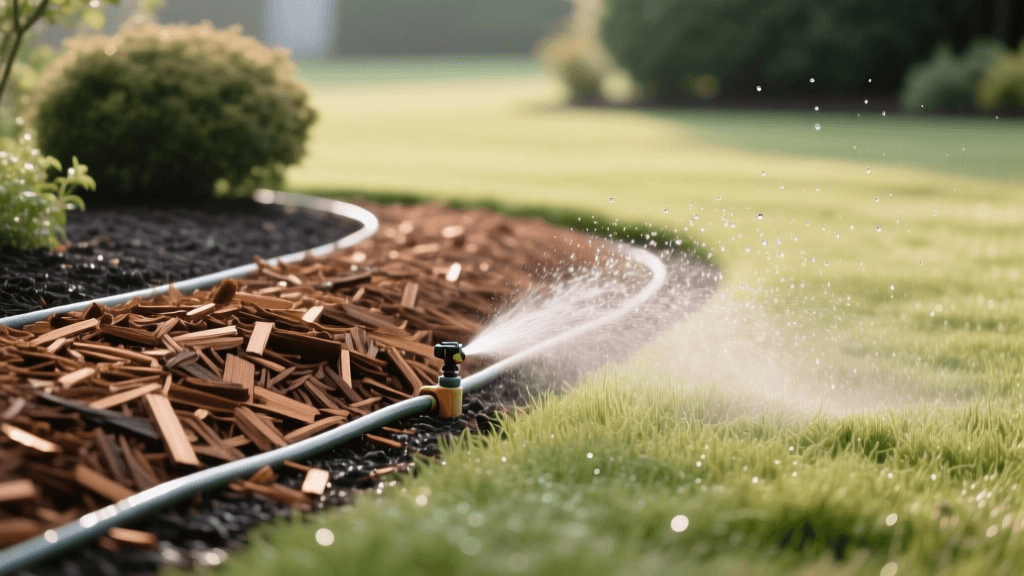
Cedar vs Hardwood Mulch for Irrigated Lawn Borders 2026
The Intersection of Mulch and Irrigation in 2026
As water conservation mandates tighten across various municipalities in 2026, optimizing the intersection of landscape design and irrigation efficiency has never been more critical. For homeowners and landscape professionals managing lawn bed borders, the choice between cedar mulch and hardwood mulch is no longer just an aesthetic decision. It directly impacts soil moisture retention, sprinkler head performance, and drip irrigation longevity. When bordering irrigated turf zones, the mulch you select dictates how water penetrates the soil, how sprinkler spray patterns are disrupted, and how often you must service your irrigation emitters. In this comprehensive guide, we evaluate cedar versus hardwood mulch strictly through the lens of modern sprinkler and irrigation systems.
Water Penetration and Hydrophobicity
One of the most critical factors in irrigation efficiency is how easily water moves from the sprinkler head, through the mulch layer, and into the root zone. Cedar mulch contains natural oils and compounds, such as thujaplicins, which give it its signature aroma and insect-repelling properties. However, these same oils can make fresh cedar mulch slightly hydrophobic (water-repelling). When overhead sprinklers, particularly high-efficiency rotary nozzles like the Hunter MP Rotator, deliver water at a slow precipitation rate, fresh cedar mulch can sometimes cause water to bead up and run off into the lawn or hardscape before it penetrates the soil.
Hardwood mulch, on the other hand, lacks these natural oils and is generally more hydrophilic right out of the bag. It absorbs overhead irrigation water readily, allowing it to percolate down to the soil bed. However, according to foundational research on landscape water conservation highlighted by EPA WaterSense, the physical structure of the mulch matters just as much as its chemical composition. While hardwood absorbs water well, its tendency to compact can create a different set of irrigation challenges.
Hardwood Mulch: The Matting Effect on Sprinkler Zones
Hardwood mulch is typically produced by shredding pallets, branches, and bark. This shredding process creates interlocking fibers that, over time and under the repeated impact of sprinkler droplets, mat together into a dense, almost impermeable crust. In heavily irrigated lawn bed borders, this matting effect can severely restrict water infiltration. When a smart irrigation controller initiates a watering cycle, the water may pool on top of the matted hardwood layer, eventually evaporating or running off into the adjacent turfgrass rather than reaching the border plantings.
To combat this, irrigation professionals in 2026 recommend using chipped hardwood rather than shredded hardwood for irrigated zones, or manually aerating the mulch layer with a steel rake every few months to break up the crust. If your sprinkler system relies on low-volume spray heads that deliver water rapidly, a matted hardwood border will almost certainly result in localized flooding and wasted water.
Drip Irrigation and Subsurface Emitter Compatibility
Many modern lawn bed borders utilize drip irrigation or subsurface emitter lines to bypass evaporation and deliver water directly to the root zone. When comparing cedar and hardwood for drip-irrigated beds, the decay rate and physical structure of the mulch play massive roles.
According to guidelines published by the University of Florida IFAS regarding drip irrigation under mulch, maintaining access to emitters for troubleshooting and flushing is vital. Hardwood mulch breaks down relatively quickly, usually within a single growing season in high-moisture, heavily irrigated environments. As it decomposes, it turns into a rich, soil-like humus that can easily wash into and clog surface drip emitters or self-flushing subsurface lines. Furthermore, the rapid decomposition of hardwood invites earthworms and root intrusion, which are primary causes of drip line blockages.
Cedar mulch decays at a significantly slower rate due to its natural rot-resistant properties. A 3-inch layer of cedar mulch over a drip-irrigated bed border will remain structurally intact for two to three years. This keeps the soil matrix around the drip emitters loose and accessible, drastically reducing the maintenance required to keep your drip zones flowing at optimal gallons-per-hour (GPH) rates.
Cedar vs Hardwood Mulch: Irrigation Comparison Table
| Irrigation Feature | Cedar Mulch | Hardwood Mulch |
|---|---|---|
| Water Penetration Rate | Moderate (can be hydrophobic when fresh) | High (initially), decreases as it mats |
| Matting Tendency | Low (interlocks but remains porous) | High (shredded fibers form a crust) |
| Decay Rate in Wet Zones | 2 to 4 Years | 1 to 2 Years |
| Drip Emitter Clogging Risk | Low | High (fine particles wash into emitters) |
| Sprinkler Splash-Back | Moderate (larger chips deflect less) | High (shredded texture absorbs and splashes) |
| 2026 Avg. Cost per Cu. Yard | $45.00 - $60.00 | $30.00 - $45.00 |
Managing Sprinkler Splash-Back and Head Obstruction
When lawn bed borders are situated immediately adjacent to turfgrass, pop-up sprinkler heads must often spray across or near the mulch line. Hardwood mulch, particularly when shredded, has a fine, fibrous texture that absorbs the kinetic energy of sprinkler droplets and creates a muddy splash-back. This splash-back frequently coats nearby sprinkler casings and optical sensors on smart controllers, leading to erratic operation and stained hardscapes.
Cedar mulch, which is usually sold in larger, uniform chips or nuggets, allows water to pass through with less surface disruption. However, both mulch types pose a risk of physical obstruction. As mulch settles and is displaced by heavy irrigation flows or landscape maintenance, it can pile up against pop-up sprinkler heads. If the mulch level exceeds the base of the sprinkler cap, the head will fail to retract properly, leading to broken rotors and leaking seals. Research from Penn State Extension emphasizes that proper mulch depth and clearance around landscape infrastructure are essential for preventing moisture-induced rot and physical damage to landscape installations.
Smart Controller Adjustments for Mulch Types
In 2026, the majority of residential irrigation systems are managed by smart controllers equipped with weather-based scheduling and soil moisture sensor integration. The type of mulch you use in your bed borders should influence how you configure these zones.
- For Cedar Mulch Zones: Because cedar resists water penetration when dry, configure your smart controller to utilize "cycle and soak" watering methods. Splitting the irrigation runtime into two or three shorter cycles allows the cedar's natural oils to soften, ensuring the second and third cycles penetrate deeply into the soil rather than running off.
- For Hardwood Mulch Zones: Because hardwood retains moisture near the surface but restricts deep percolation once matted, rely heavily on soil moisture sensors placed beneath the mulch layer. This prevents the controller from overwatering based on surface evaporation rates while the underlying soil remains saturated.
Best Practices for Mulching Around Irrigation Infrastructure
To maximize the efficiency of your sprinkler and drip systems, follow these strict installation guidelines for lawn bed borders:
- The 3-Inch Donut Rule: Always maintain a strict 3-inch clearance around the base of any pop-up sprinkler head or rotary nozzle. Create a small "donut" depression in the mulch to catch any errant water and direct it away from the sprinkler seal.
- Pre-Soak Cedar Mulch: If applying fresh cedar mulch to a bed border, thoroughly water the mulch pile before spreading it, or run your sprinklers immediately after installation for an extended cycle to break down the initial hydrophobic barrier.
- Pin Drip Lines Securely: When laying drip irrigation under hardwood mulch, use 6-inch metal landscape pins every 3 feet. The rapid decomposition and shifting of hardwood can expose drip lines to UV degradation and lawnmower damage if they are not firmly anchored to the soil bed.
- Annual Raking: Schedule an annual spring raking of your hardwood mulch borders to break up the irrigation-induced crust. This single maintenance task can improve water infiltration rates by up to 40%, ensuring your smart controller's scheduled runtimes are actually reaching the root zone.
Conclusion
Choosing between cedar and hardwood mulch for irrigated lawn bed borders requires balancing upfront costs with long-term irrigation efficiency. While hardwood mulch offers a lower initial price point and excellent initial water absorption, its tendency to mat, decompose rapidly, and clog drip emitters makes it a high-maintenance option for heavily irrigated zones. Cedar mulch, despite its higher 2026 pricing and initial hydrophobicity, provides superior structural integrity, protects drip lines, and minimizes sprinkler splash-back over the long haul. By pairing the right mulch with smart irrigation practices—such as cycle-and-soak scheduling and proper sprinkler head clearance—you can maintain lush, vibrant bed borders without wasting a single drop of water.