
Landscaping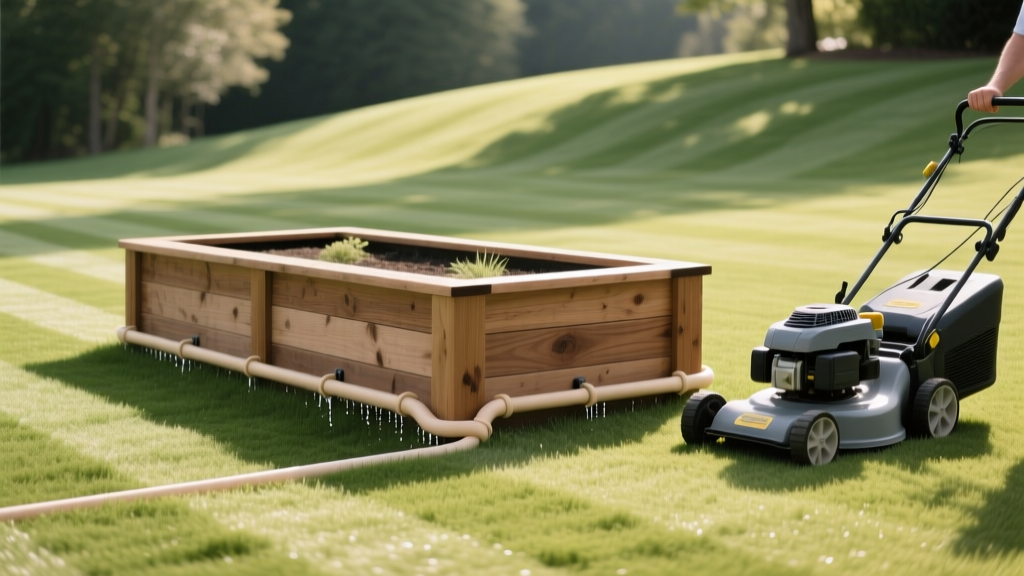
Mowing Patterns Around Cedar Planter Boxes & Drip Lines 2026
David ParkPublished
The Intersection of Hardscaping and Turf Care
Landscaping trends in 2026 heavily favor the integration of functional, edible, and ornamental garden spaces directly into the lawn footprint. Among the most popular hardscaping features is the raised planter box constructed from Western Red Cedar, outfitted with precision drip irrigation. While these structures offer immense aesthetic and agricultural value, they introduce complex obstacles to your weekly mowing routine. Navigating a mower around a 4x8-foot cedar box requires specific techniques and patterns to maintain a pristine lawn, protect the soft cedar wood from mechanical damage, and prevent costly snags to surface-level drip irrigation lines. In this comprehensive guide, we explore the best mowing patterns and protective strategies for yards featuring raised cedar planter boxes in 2026.
The Vulnerability of Western Red Cedar
Western Red Cedar is prized for its natural rot resistance, beautiful grain, and sustainability. However, it is a relatively soft wood. The most common cause of premature decay in cedar planter boxes is not water damage, but mechanical injury from string trimmers and weed whackers. When a nylon trimmer line repeatedly strikes the base of the cedar, it strips away the protective bark and cambium layer. This creates an entry point for fungal pathogens and wood-boring insects. To preserve your investment, your mowing and edging techniques must be meticulously planned. According to the U.S. Consumer Product Safety Commission, proper handling of string trimmers around obstacles is also a critical safety measure to prevent debris from ricocheting toward the operator or nearby windows.
Safeguarding Drip Irrigation Lines
Modern raised beds rely on drip irrigation to conserve water and deliver moisture directly to the root zone. The EPA WaterSense program notes that drip irrigation can be up to 90% efficient compared to traditional sprinklers. However, the 1/2-inch polyethylene tubing and 1/4-inch micro-lines that feed your cedar boxes often run along the ground surface before entering the planter. A careless mower wheel can easily pinch, crimp, or sever these lines, leading to dry planters and soggy lawns. Before mowing, always conduct a visual sweep of the turf bordering your cedar boxes. Use landscape staples to secure drip lines flush against the soil, or better yet, bury the main poly lines in a shallow 2-inch trench just outside the mower's turning radius. In 2026, many smart controllers like the Rain Bird ARC800 feature flow-sensing leak detection, which can alert your phone if a mower wheel accidentally severs a line, but physical prevention remains the best strategy.
Optimal 2026 Mowing Patterns for Planter Box Yards
When your yard features large, immobile obstacles like raised cedar planters, the standard back-and-forth striping method falls apart. You must adopt patterns that minimize tight, turf-tearing turns while ensuring complete coverage. As recommended by turfgrass experts at Texas A&M AgriLife Extension, varying your mowing pattern prevents soil compaction and turf grain, but navigating obstacles requires a more structured approach.
The Double-Perimeter Pass
The most effective way to mow around a rectangular cedar planter box is the Double-Perimeter Pass. Start by disengaging the mower blades and positioning the machine on the grass. Make two complete, overlapping laps around the exterior of the cedar box with the blades engaged. This creates a wide, clean turning lane or buffer zone. Once the perimeter is cleared, you can safely execute your straight-line passes across the rest of the lawn, using the cleared perimeter to make wide, sweeping U-turns rather than sharp, turf-ripping pivots near the wood.
The Overlapping S-Curve Pattern
If your cedar planter boxes are arranged in a staggered or zig-zag layout, the S-Curve pattern is ideal. Instead of trying to mow straight lines between the boxes, you mow in continuous, weaving S-shapes that flow around the corners of the planters. This maintains the mower's momentum, reducing the risk of scalping the lawn when the front wheels dip into the transition zone between the turf and the cedar base.
Managing Clippings and the Turf-to-Cedar Transition Zone
The microclimate immediately surrounding a raised cedar planter box is unique. The wood retains heat, and the drip irrigation system often creates localized moisture pockets. This can cause the grass immediately adjacent to the box to grow faster or become susceptible to fungal diseases. When mowing this transition zone, raise your mower deck by one-quarter inch to avoid scalping. Scalping exposes the soil to excess heat and encourages weed germination in the damp border area.
Furthermore, when mowing near cedar boxes, the side-discharge or mulching chute often blows wet clippings directly into the planter, smothering delicate seedlings or altering the soil nitrogen balance as they decompose. To combat this, always orient the mower deck's discharge chute away from the cedar box during the perimeter passes. If you are using a 2026 model with advanced mulching blades, ensure the baffles are fully closed to keep the clippings suspended under the deck until they are finely chopped, rather than blowing them out the side. Consider installing a 6-inch steel landscape edging or a river rock border between the lawn and the cedar box. This physical barrier acts as a trimmer guide, allowing you to edge the lawn cleanly without the nylon string ever touching the cedar wood.
Mower Selection and Maneuverability Matrix
Not all mowers handle hardscaping obstacles equally. The rise of RTK GPS-equipped robotic mowers in 2026 has changed how we approach obstacle avoidance, but traditional mowers still require specific techniques. Below is a comparison of mower types and their compatibility with cedar planter box landscapes.
| Mower Type | Turning Radius | Recommended Pattern | Drip Line Risk Level |
|---|---|---|---|
| Zero-Turn Radius (ZTR) | 0 inches | Perimeter Striping + S-Curve | High (Caster wheel snags) |
| Rear-Wheel Drive Push | 18-24 inches | Double Perimeter Pass | Medium (Wheel pinch) |
| AWD Self-Propelled | 12-18 inches | Checkerboard Overlap | Low (Traction control) |
| Robotic Mower (2026 RTK Models) | Variable | Random / AI-Mapped Boundary | Very Low (Sensor avoidance) |
Seasonal Maintenance for the Planter-Lawn Border
As the seasons change, the relationship between your lawn and your cedar planter boxes shifts. In the spring, when the turf is thick and the drip irrigation lines are first pressurized for the season, take the time to re-grade the soil edge. Over the winter, frost heave can push the soil and drip lines upward, creating hidden snag hazards for your mower deck. Use a flat spade to trench a clean, 90-degree edge along the cedar box perimeter. This not only provides a satisfying visual boundary but also gives your mower wheels a firm, level surface to ride on, preventing the deck from tilting and scalping the grass.
Conclusion
Integrating raised cedar planter boxes with drip irrigation into your lawn elevates your outdoor living space, but it demands a refined approach to lawn care. By adopting the Double-Perimeter and S-Curve mowing patterns, protecting the soft cedar from trimmer damage, and securing your irrigation lines, you can maintain a flawless lawn in 2026 and beyond. Treat the border between your turf and your hardscaping with respect, and your landscape will thrive in perfect harmony.

