
Landscaping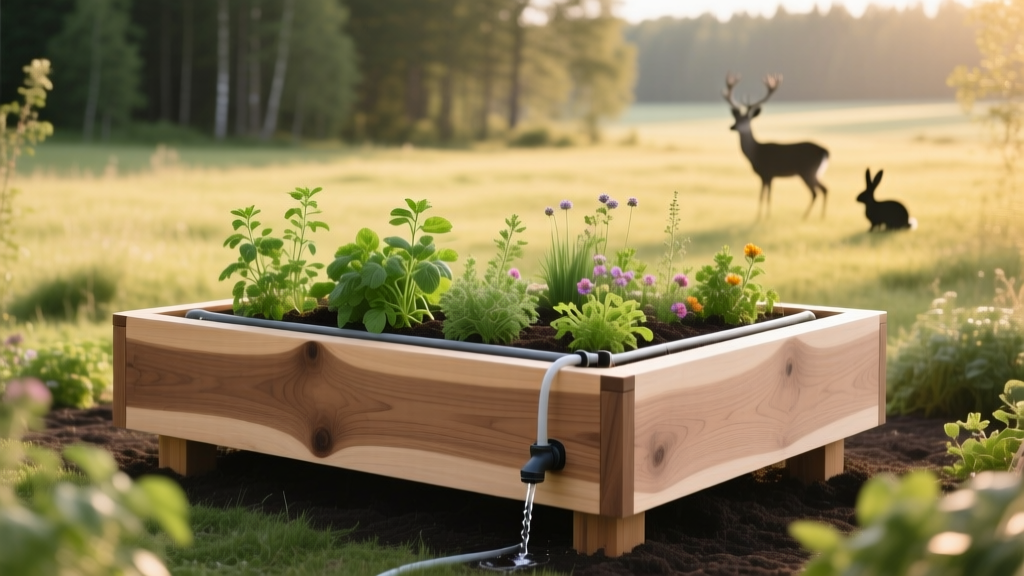
Cedar Raised Planter Boxes & Drip Irrigation: 2026 Wildlife Guide
James MillerPublished
The Intersection of Landscaping and Wildlife Management in 2026
As homeowners in 2026 increasingly embrace sustainable landscaping and backyard homesteading, the conflict between cultivated garden spaces and local wildlife has reached new heights. Traditional ground-level garden beds are highly vulnerable to foraging animals, burrowing rodents, and moisture-loving pests. To combat this, landscape architects and master gardeners are turning to a highly specific, dual-action defense system: the raised planter box constructed from aromatic cedar wood, paired with a precision drip irrigation network. This combination not only creates an optimal growing environment for your plants but also establishes a robust, non-toxic barrier against a wide array of yard animals and insects.
Managing wildlife in the yard does not always mean lethal removal or harsh chemical repellents. In 2026, the focus of ethical wildlife and yard animal management is on habitat modification and physical deterrents. By elevating your planting zones, utilizing naturally pest-repellent materials, and eliminating the excess surface moisture that attracts insects and amphibians, you can protect your landscaping investments while maintaining a balanced local ecosystem. This comprehensive guide will break down exactly how to design, build, and maintain a wildlife-resistant cedar raised planter with an integrated drip irrigation system.
Why Western Red Cedar is the Ultimate Wildlife Deterrent
Not all lumber is created equal when it comes to pest resistance. Western Red Cedar (Thuja plicata) is widely considered the gold standard for raised planter boxes in wildlife-heavy areas. The secret to its effectiveness lies in its natural chemistry. Cedar contains naturally occurring organic compounds called thujaplicins, which act as powerful, built-in fungicides, insecticides, and rot inhibitors. According to The Wood Database, these aromatic oils are highly effective at deterring wood-destroying organisms and burrowing insects.
From a wildlife management perspective, the strong aromatic profile of fresh cedar masks the scent of the vulnerable root vegetables and leafy greens growing inside the planter. Foraging animals like rabbits and groundhogs rely heavily on their olfactory senses to locate food; the intense terpene emissions from cedar wood can confuse and deter them. Furthermore, rodents such as mice and voles actively avoid nesting in or chewing through cedar due to the irritating nature of the oils on their respiratory systems and teeth.
2026 Lumber Comparison for Wildlife Resistance
| Wood Type | Natural Rot Resistance | Wildlife & Insect Deterrence | 2026 Avg. Cost (per 8ft board) |
|---|---|---|---|
| Western Red Cedar | Exceptional | High (Aromatic oils deter rodents/insects) | $18.00 - $24.00 |
| Eastern Red Cedar | High | Moderate-High (Strong scent, but brittle) | $14.00 - $19.00 |
| Pressure-Treated Pine | High (Chemical) | Low (No natural scent deterrent) | $9.00 - $13.00 |
| Untreated Pine | Very Low | None (Attracts carpenter ants/termites) | $6.00 - $9.00 |
| Composite Decking | Exceptional | Low (Can trap heat, no scent deterrent) | $35.00 - $50.00 |
Planter Elevation: Sizing Your Cedar Box for Specific Pests
The physical height of your raised planter box is your primary defense against browsing mammals. In 2026, landscaping guidelines for wildlife exclusion emphasize precise height thresholds based on the specific pests prevalent in your region. A standard 12-inch raised bed is purely ergonomic for human gardeners; it does absolutely nothing to stop a hungry rabbit. To effectively manage yard animals, you must build to specific biological limitations.
- Rabbits and Hares: Require a minimum planter height of 24 to 30 inches. While rabbits can jump, they are hesitant to leap onto elevated, confined wooden structures where they feel exposed to aerial predators like hawks and owls.
- Groundhogs and Woodchucks: These powerful diggers can easily scale a 24-inch wooden wall. Management requires a 30-inch tall cedar box combined with a subterranean barrier (hardware cloth) extending 12 inches outward in an L-shape beneath the soil to prevent burrowing underneath.
- Deer: Deer can easily browse over a 36-inch planter. While an 8-foot fence is the only true deer exclusion method, a 36-inch tall cedar planter equipped with a modular, removable PVC and netting hoop system is the 2026 standard for protecting high-value crops in deer corridors.
- Slugs and Snails: Elevation alone will not stop these gastropods, which can scale vertical wood. This is where the integration of copper tape flashing around the upper perimeter of the cedar box becomes essential, creating a mild electrical reaction that repels them.
Drip Irrigation: Eliminating the Moisture Magnet
Water management is a critical, yet often overlooked, component of wildlife and pest control. Traditional overhead sprinklers and hand-watering with a wand saturate plant foliage and create puddles on the soil surface. This excess moisture acts as a beacon for a variety of garden pests. Slugs and snails require high-humidity environments to survive and reproduce. The University of California Statewide Integrated Pest Management Program notes that reducing surface moisture and keeping foliage dry are primary cultural controls for managing slug and snail populations.
Furthermore, standing water and chronically damp soil attract mosquitoes, fungus gnats, and even certain rodents seeking hydration during dry summer months. The Environmental Protection Agency (EPA) consistently highlights that eliminating standing water and damp habitats is the most effective way to disrupt the mosquito breeding cycle in residential yards.
By installing a subsurface or low-volume drip irrigation system directly into your cedar raised planter, you deliver hydration precisely where the plant needs it—the root zone. The soil surface remains relatively dry, and the foliage stays completely untouched by water. In 2026, smart drip irrigation kits, such as the latest Rain Bird XFD series or Netafim Techline EZ, feature pressure-compensating emitters that ensure uniform water distribution without runoff or pooling, effectively starving out moisture-dependent pests.
Step-by-Step Wildlife-Proof Assembly Guide
Building a wildlife-resistant raised planter requires meticulous attention to detail. Follow these steps to ensure your cedar box and drip system form an impenetrable fortress against yard animals.
Step 1: Subterranean Rodent Defense
Before assembling the cedar walls, excavate the footprint of your planter to a depth of 4 inches. Lay down a heavy-duty, 1/2-inch galvanized hardware cloth. Staple the hardware cloth to the bottom edge of your cedar planter walls before filling with soil. This prevents gophers, moles, and voles from tunneling up into your nutrient-rich soil from below.
Step 2: Cedar Construction and Fastening
Assemble your Western Red Cedar planks using stainless steel deck screws. Avoid galvanized or zinc-coated screws, as the natural acids in cedar can corrode them over time, leading to structural weakness and dark, unsightly stains on the wood. For added rigidity against the lateral pressure of wet soil, install 4x4 cedar corner posts on the inside of the box.
Step 3: Soil Layering and Hugelkultur Base
To reduce the frequency of irrigation (further minimizing surface moisture), utilize a modified Hugelkultur technique for the bottom 8 inches of the planter. Layer decaying cedar logs, twigs, and dry leaves. This organic matter acts like a sponge, retaining deep soil moisture and releasing it slowly to the plant roots above, reducing the need for daily drip cycles.
Step 4: Drip Irrigation Grid Installation
Lay out a grid of 1/4-inch drip tubing with inline emitters spaced every 12 inches. Secure the tubing to the soil surface using landscape staples. Connect the mainline to a 2026 smart Wi-Fi irrigation controller that adjusts watering schedules based on real-time local evapotranspiration (ET) data. Cover the drip lines with a 2-inch layer of coarse mulch.
Step 5: The Copper Tape Perimeter
Apply a continuous, 2-inch wide band of solid copper tape around the entire outer perimeter of the cedar box, positioned about 4 inches down from the top lip. Ensure the ends overlap and that there are no gaps. This creates an insurmountable barrier for climbing gastropods.
2026 Material and Cost Breakdown
Investing in a wildlife-proof system requires a higher upfront capital expenditure than a basic ground bed, but the reduction in lost crops and pest control products yields a high return on investment. Below is the estimated 2026 cost breakdown for a standard 4-foot by 8-foot raised cedar planter, standing 30 inches tall, complete with a smart drip irrigation kit and rodent mesh.
| Material / Component | Specifications | Estimated 2026 Cost |
|---|---|---|
| Western Red Cedar Lumber | (12) 2x6x8 boards, (2) 4x4x8 corner posts | $280.00 - $340.00 |
| Stainless Steel Fasteners | #10 x 3-inch exterior wood screws | $35.00 |
| Galvanized Hardware Cloth | 1/2-inch mesh, 4x10 ft roll | $45.00 |
| Smart Drip Irrigation Kit | 1/4-inch inline emitter tubing, fittings, filter | $85.00 - $110.00 |
| Wi-Fi Irrigation Controller | Single-zone smart timer with weather sync | $60.00 - $90.00 |
| Solid Copper Tape | 2-inch width, 30 ft roll | $28.00 |
| Organic Raised Bed Soil | Approx. 60 cubic feet (bulk or bagged) | $180.00 - $250.00 |
| Total Estimated Project Cost | Excluding labor and plants | $713.00 - $898.00 |
Conclusion: A Balanced Approach to Yard Ecology
Managing wildlife in your yard is not about declaring war on nature; it is about establishing clear, physical boundaries that protect your landscaping efforts while allowing local fauna to thrive elsewhere. By combining the natural pest-repellent properties and structural elevation of a Western Red Cedar raised planter box with the moisture-controlling precision of a modern drip irrigation system, you create a highly efficient, wildlife-resistant growing zone. As we navigate the landscaping trends of 2026, this integrated approach stands out as the most effective, sustainable, and aesthetically pleasing method for securing your garden against the unpredictable appetites of the natural world.

