
Landscaping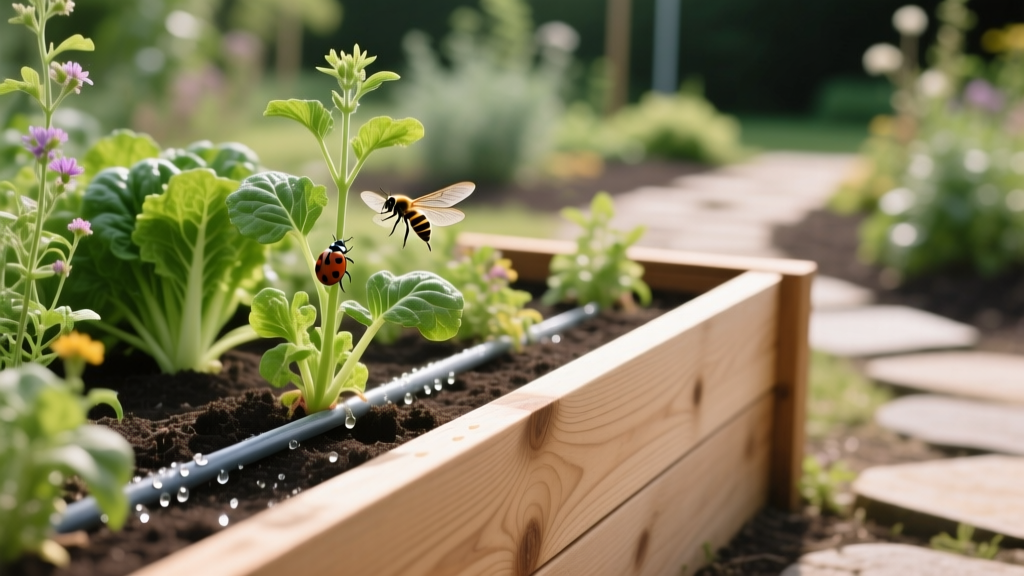
2026 Cedar Raised Bed & Drip Irrigation Bio-Control Guide
Robert HayesPublished
The Ecological Shift in 2026 Landscaping
In 2026, modern landscaping has evolved far beyond mere aesthetics and basic crop yields. Today’s eco-conscious gardeners recognize that hardscaping materials and irrigation methods are foundational elements of a garden’s biological ecosystem. When designing outdoor living spaces and garden beds, the integration of beneficial insects and biological pest control (bio-control) is no longer an afterthought—it is the primary strategy for maintaining plant health. Among the most effective ways to foster a thriving, self-regulating microclimate is by constructing a raised planter box using untreated cedar wood paired with a precision drip irrigation system.
This specific combination of materials and watering techniques creates an ideal sanctuary for predatory insects, parasitic wasps, and beneficial soil nematodes. By understanding how cedar and targeted moisture management interact with the garden's food web, you can drastically reduce your reliance on organic or synthetic pesticides while boosting your landscape's natural resilience.
Why Untreated Cedar is the Gold Standard for Soil Biology
When building raised garden beds, the choice of wood directly impacts the soil microbiome and the arthropods that live within it. In the past, pressure-treated lumber was a popular choice due to its rot resistance. However, pressure-treated wood is infused with copper-based compounds (such as alkaline copper quaternary or copper azole) to prevent decay. While effective against fungi, copper is highly toxic to many beneficial soil-dwelling organisms, including predatory nematodes, earthworms, and ground beetles, which are essential for natural pest control and soil aeration.
Western Red Cedar (Thuja plicata), on the other hand, offers natural rot and insect resistance without the need for chemical preservatives. Cedar contains natural antimicrobial compounds called thujaplicins. These compounds protect the wood from decay and repel wood-boring pests like termites and carpenter ants, yet they are entirely safe for the beneficial soil food web. According to the Environmental Protection Agency (EPA), preserving the soil microbiome is a critical first step in establishing a successful biological pest control strategy. By using rough-sawn, FSC-certified cedar for your 2026 raised beds, you ensure that the soil remains a safe harbor for predatory organisms that will naturally patrol your garden for grubs, slug eggs, and fungus gnat larvae.
Drip Irrigation: The Secret to Canopy-Level Bio-Control
Water delivery methods profoundly influence the success of beneficial insects on the plant canopy. Overhead sprinklers and hand-watering with a spray nozzle mimic rainfall, which might seem natural but is actually detrimental to bio-control agents. Heavy overhead water physically washes away delicate lacewing eggs, dislodges ladybug larvae, and drowns predatory mites. Furthermore, wet foliage creates an environment ripe for powdery mildew and botrytis, which can mask the Volatile Organic Compounds (VOCs) that plants release when under attack by herbivores.
Plants use these VOCs as distress signals to summon parasitic wasps and predatory bugs. If the foliage is constantly wet or covered in fungal spores, these chemical signals are disrupted, and the beneficial insects cannot locate the pests. A subsurface or low-volume micro-drip irrigation system solves this problem entirely. By delivering water directly to the root zone, drip irrigation keeps the plant canopy completely dry. This allows the plant's natural distress signals to travel unimpeded through the air, effectively calling in the cavalry when aphids or caterpillars begin to feed.
Additionally, maintaining consistent soil moisture via drip lines provides the perfect daytime harborage for ground-dwelling predators like rove beetles and spiders, which require humid soil surfaces to prevent desiccation while they hunt. The Xerces Society for Invertebrate Conservation heavily advocates for habitat manipulation, noting that stable microclimates are essential for the reproductive success of native pollinators and predatory insects.
Beneficial Insect Habitat Chart: Cedar & Drip Synergies
The following table illustrates how the specific combination of cedar wood and drip irrigation directly supports various bio-control agents in your 2026 garden:
| Beneficial Organism | Target Pests | Habitat Benefit of Cedar & Drip Systems |
|---|---|---|
| Green Lacewings | Aphids, Thrips, Mites | Drip irrigation keeps foliage dry, providing a stable, unwashed surface for lacewings to lay their delicate eggs on plant stems. |
| Predatory Nematodes | Fungus Gnats, Grubs, Root Maggots | Untreated cedar prevents copper leaching, protecting the soil microbiome and allowing nematodes to thrive and hunt in the root zone. |
| Parasitic Wasps | Tomato Hornworms, Caterpillars | Dry canopies (achieved via drip) allow herbivore-induced plant volatiles to travel freely, guiding wasps directly to their prey. |
| Ground Beetles | Slugs, Snails, Cutworms | The consistent moisture at the soil surface from targeted drip emitters provides ideal daytime hiding spots for these nocturnal hunters. |
| Minute Pirate Bugs | Thrips, Spider Mites | Cedar planter edges provide dry, sheltered crevices for overwintering, while drip-irrigated companion plants offer steady nectar. |
2026 Product Recommendations for the Eco-Conscious Builder
To maximize the bio-efficacy of your raised planter box, selecting the right materials and 2026 irrigation technology is paramount:
- Wood: 2-inch thick, rough-sawn Western Red Cedar. The rough texture provides micro-crevices for beneficial insects to overwinter, and the thickness ensures a lifespan of 10-15 years without chemical treatments.
- Fasteners: Marine-grade 316 stainless steel screws. Avoid galvanized screws, as the zinc coating can eventually leach into the soil and disrupt the reproductive cycles of certain soil-dwelling arthropods.
- Drip Tubing: Netafim Techline CV (Check-Valve) drip lines. These feature built-in emitters spaced 12 inches apart and include check valves that prevent soil from being siphoned back into the tubing, protecting both the irrigation system and the soil structure.
- Smart Controller: The 2026 Rachio Smart Hose Timer with micro-climate soil moisture sensors. This allows you to set precise soil moisture thresholds, ensuring the soil remains damp enough for predatory beetles but never waterlogged, which would drown earthworms.
Step-by-Step Construction & Planting Guide
Step 1: Sizing and Assembly
For optimal reach and root health, construct your cedar bed to be no wider than 4 feet, allowing you to tend to the plants without stepping on the soil. Compacted soil destroys the pore spaces that predatory nematodes and ground beetles use to navigate. Assemble the corners using stainless steel corner brackets and screws. Line the bottom with a heavy-duty hardware cloth (1/4 inch galvanized steel mesh) to keep out burrowing rodents while allowing earthworms to enter from the native soil below.
Step 2: Installing the Drip Grid
Before adding soil, lay out your drip lines in a grid pattern. For a 4x8 foot cedar bed, run four lines of 1/2-inch drip tubing lengthwise, spaced 12 inches apart. Secure the lines to the bottom of the bed using landscape staples. Connect the system to a smart hose timer equipped with a pressure regulator (25 PSI) and a 200-mesh filter to prevent emitter clogging.
Step 3: The Bio-Active Soil Mix
Fill the bed with a mix that promotes both drainage and biological activity. Use a blend of 40% high-quality topsoil, 30% coarse compost, 20% coconut coir (for moisture retention without waterlogging), and 10% pumice. Inoculate the soil with mycorrhizal fungi and beneficial nematodes (such as Steinernema feltiae) immediately after filling the bed to establish the bio-control baseline before planting.
Step 4: Insectary Border Planting
To ensure your predatory insects have a steady food source (pollen and nectar) when pest populations are low, plant an insectary border around the perimeter of your cedar bed. According to experts at the University of Minnesota Extension, incorporating umbelliferous plants is highly effective. Plant sweet alyssum, yarrow, dill, and cosmos along the edges. These plants feature shallow, clustered flowers that are perfectly shaped for the short mouthparts of parasitic wasps and syrphid flies.
Overwintering and Long-Term Maintenance
The bio-control benefits of your cedar raised bed extend well beyond the growing season. As autumn arrives in 2026, resist the urge to 'clean up' the garden beds entirely. The rough interior walls of the cedar planter provide excellent insulation and crevices for ladybugs and lacewings to overwinter. Leave the hollow stems of your insectary plants (like dill and cosmos) standing until early spring; these act as natural nesting tubes for solitary predatory wasps.
Furthermore, apply a 2-inch layer of arborist wood chip mulch over the drip lines in late fall. This mulch layer insulates the soil, protects the drip tubing from UV degradation, and provides a stable, humid environment for ground beetles to survive the winter. By spring, the mulch will begin to break down, feeding the soil web and ensuring your cedar raised bed remains a powerhouse of natural pest control for years to come.

