
Landscaping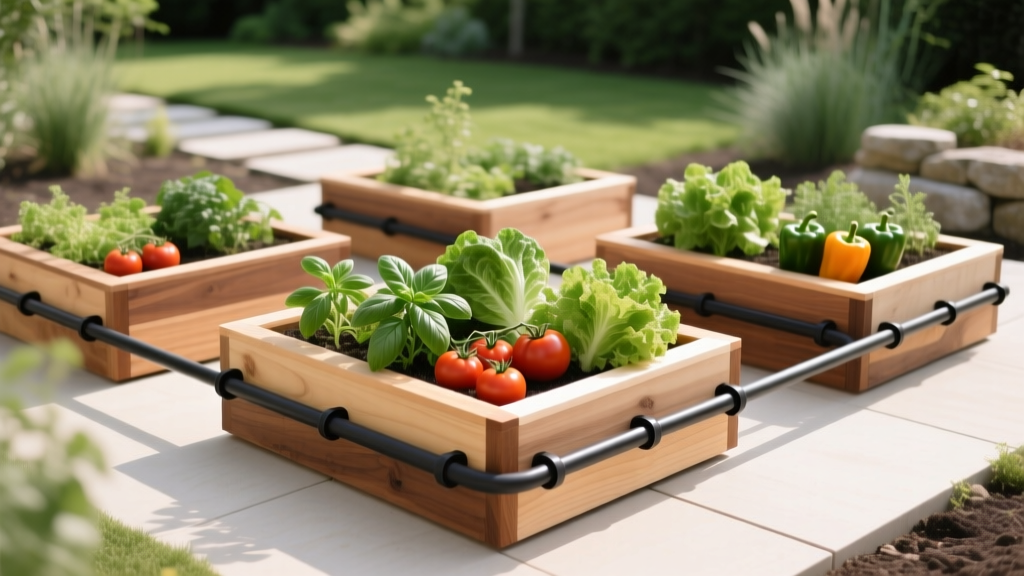
2026 Guide: Cedar Raised Beds & Drip Irrigation for Foodscaping
Robert HayesPublished
The concept of foodscaping has completely transformed how we view our outdoor spaces in 2026. Gone are the days when edible gardens were relegated to hidden, utilitarian plots in the back corner of the yard. Today, homeowners are seamlessly integrating fruits, vegetables, and herbs into their primary landscape designs, creating front-yard paradises that are as beautiful as they are bountiful. At the absolute pinnacle of this edible landscaping movement is the combination of Western Red Cedar raised planter boxes paired with precision drip irrigation systems.
The Rise of Foodscaping in 2026
Foodscaping—the art and science of integrating edible plants into traditional ornamental landscapes—has seen a massive surge in popularity. According to recent horticultural trends, over 45% of homeowners with yard space now maintain some form of edible landscape. This shift is driven by a desire for hyper-local, organic produce, a push for sustainable living, and the aesthetic appeal of vibrant, textural food plants. By utilizing raised cedar beds, you elevate your crops both literally and figuratively, improving drainage, controlling soil quality, and creating clean, architectural lines that complement modern and traditional home exteriors alike.
Why Western Red Cedar is the Ultimate Planter Material
When building raised beds for edible landscaping, the material you choose is paramount. In 2026, Western Red Cedar remains the undisputed gold standard. Unlike pressure-treated lumber, which historically contained chemical preservatives (and even modern treatments raise concerns for organic purists), cedar is naturally resistant to rot, decay, and insect damage. This resistance comes from natural oils called thujaplicins.
Furthermore, cedar weathers beautifully. Over a few seasons, it transitions from a warm, honey-brown hue to a distinguished, silvery-gray patina that blends effortlessly into any garden design. While the upfront cost of cedar in 2026 averages between $4.50 and $6.50 per linear foot for 2x6 boards, its lifespan of 10 to 15 years without chemical treatments makes it a highly cost-effective and eco-friendly investment for your foodscape.
Sizing Your Cedar Planter Box
The dimensions of your raised bed dictate what you can successfully grow. The golden rule for accessible raised beds is to keep the width at a maximum of 4 feet. This ensures you can reach the center of the bed from either side without stepping on the soil, which prevents compaction and maintains the fluffy, aerated structure your edible plants crave.
- Depth: A depth of 12 inches is sufficient for shallow-rooted crops like lettuce, radishes, and most herbs. However, for deep-rooted edibles like tomatoes, carrots, and parsnips, aim for a depth of 18 to 24 inches.
- Length: 8 feet is standard, as it minimizes board cuts and reduces waste, but you can customize this to fit your specific landscape contours.
Integrating Drip Irrigation for Edible Landscapes
Water conservation is a critical component of modern landscaping. With municipal water restrictions becoming more stringent across various regions in 2026, traditional overhead sprinklers are no longer viable for raised beds. Sprinklers lose massive amounts of water to evaporation and wind drift, and wetting the foliage of edible plants invites fungal diseases like powdery mildew and blight.
Drip irrigation is the definitive solution. By delivering water directly to the root zone at a slow, steady rate, drip systems achieve up to 90% water-use efficiency. As noted by the Environmental Protection Agency's WaterSense program, targeted irrigation dramatically reduces outdoor water waste while promoting healthier, deeper root growth in vegetable crops.
Drip Irrigation Component Breakdown
To set up a professional-grade drip system in your cedar raised beds, you will need a few specific components. Here is a breakdown of the best emitter types for different edible crops:
| Emitter Type | Flow Rate | Best Edible Applications | 2026 Estimated Cost |
|---|---|---|---|
| Inline Drip Tape (5/8") | 0.5 GPH per emitter | Row crops: Carrots, onions, radishes, leafy greens | $0.15 - $0.25 / ft |
| Button Emitters (Adjustable) | 0 - 15 GPH | Large individual plants: Tomatoes, peppers, eggplants | $0.40 - $0.60 each |
| Micro-Sprayers (180° or 360°) | 10 - 20 GPH | Dense groundcovers: Strawberries, creeping thyme | $0.75 - $1.00 each |
Step-by-Step: Building and Plumbing the Cedar Bed
Constructing your cedar planter box requires basic carpentry skills and a few essential tools. Begin by cutting your Western Red Cedar boards to size. Use exterior-grade stainless steel or polymer-coated deck screws (at least 2.5 inches long) to secure the corners. Stainless steel is crucial; standard galvanized screws will eventually rust and stain the beautiful cedar wood.
Once the box is assembled and leveled on the ground, line the bottom with heavy-duty hardware cloth to deter burrowing pests like gophers and voles. According to guidelines from the University of Minnesota Extension, physical barriers at the base of the bed are the most effective, non-toxic method for protecting root vegetables from subterranean wildlife.
Laying the Drip Lines
Before adding soil, map out your irrigation. Run a 1/2-inch polyethylene mainline tubing along the inside perimeter of the cedar box. From this mainline, use 1/4-inch barbed connectors to run your drip tape or micro-tubing across the width of the bed. Space your inline drip tape rows 12 inches apart to ensure uniform soil moisture. Secure the lines with landscape staples so they don't shift when you add your soil mix. Connect the mainline to a smart hose timer and a pressure regulator (drip systems require low pressure, typically 15-25 PSI, to prevent blown fittings).
The Perfect Soil Mix for Foodscaping
The soil in a raised bed is a living ecosystem. Never use native topsoil or garden soil from the ground, as it will compact heavily in a confined space and choke your plant roots. In 2026, the most highly recommended blend for edible raised beds is a modified "Mel's Mix," consisting of:
- 33% High-Quality Organic Compost: Provides a slow-release buffet of nutrients and beneficial microbes. Use a diverse mix of composts (e.g., mushroom, cow manure, and homemade kitchen compost) for a broader nutrient profile.
- 33% Coir (Coconut Coir): A sustainable alternative to peat moss that offers excellent water retention and aeration.
- 33% Coarse Vermiculite: Keeps the soil light, fluffy, and well-draining while holding onto essential minerals.
Mix these components thoroughly in a wheelbarrow before filling your cedar bed. Leave about two inches of space at the top of the planter to allow for mulching and to prevent soil runoff during heavy rains.
Planting Strategies for Aesthetic and Edible Yields
Foodscaping is about visual harmony. When planting your newly irrigated cedar beds, employ the concept of "thrillers, fillers, and spillers" commonly used in ornamental container gardening.
- Thrillers: Plant tall, architectural edibles in the center or back of the bed. Indeterminate tomatoes on sturdy trellises, purple artichokes, or towering stalks of lemongrass serve as stunning focal points.
- Fillers: Use bushy, mid-height plants to fill the gaps. Rainbow Swiss chard, purple basil, and compact bell peppers offer incredible foliage color that rivals any ornamental flower bed.
- Spillers: Plant trailing varieties along the edges of the cedar box so they cascade down the wood. Nasturtiums (which are entirely edible and act as a trap crop for aphids), trailing rosemary, and alpine strawberries are perfect choices.
2026 Maintenance and Winterization
To ensure your cedar raised beds and drip irrigation systems last for years, seasonal maintenance is required. In the spring, top-dress the beds with an inch of fresh compost to replenish nutrients depleted by the previous year's heavy feeders.
For the cedar wood, avoid chemical sealants if you are growing edibles. If you wish to maintain the original honey-brown color rather than letting it age to silver, apply a coat of food-safe, raw linseed oil or a specialized organic garden sealant every two years. As winter approaches, it is vital to winterize your drip irrigation system. Disconnect the smart timer, drain all water from the polyethylene mainlines and drip tapes, and use a low-pressure air compressor to blow out any remaining water. This prevents freezing and expansion, which can crack your emitters and split your tubing during hard freezes.
Conclusion
Building a cedar raised planter box with integrated drip irrigation is one of the most rewarding landscaping projects you can undertake in 2026. It bridges the gap between stunning outdoor design and sustainable, homegrown food production. By selecting premium Western Red Cedar, engineering a precise drip system, and utilizing a high-performance soil mix, you are setting the stage for a thriving, low-maintenance foodscape that will nourish your family and elevate your curb appeal for years to come. For more insights on sustainable vegetable cultivation, consult resources like the Penn State Extension Home Vegetable Gardening guides to refine your seasonal planting schedules.

