
Landscaping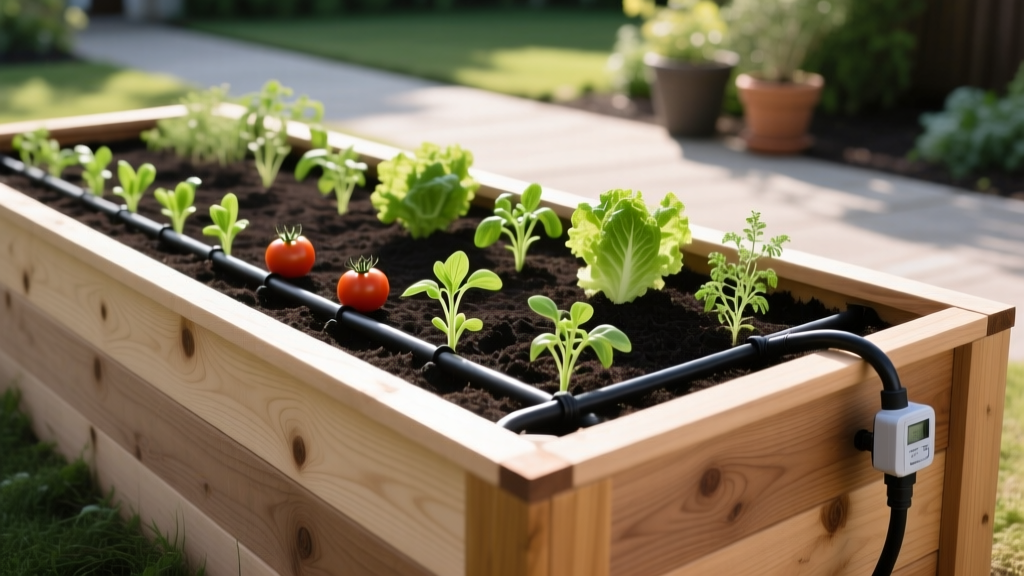
Build a Cedar Raised Planter Box with Drip Irrigation 2026
David ParkPublished
The 2026 Standard: Why Cedar and Drip Irrigation?
As we navigate the 2026 gardening season, water conservation and sustainable material sourcing are no longer just trends—they are essential practices for successful raised bed vegetable gardening. Municipal water restrictions in many regions have made overhead sprinklers obsolete for edible gardens, pushing homeowners toward high-efficiency drip irrigation. Simultaneously, gardeners are moving away from chemical-laden pressure-treated lumbers, favoring the natural durability and aesthetic warmth of Western Red Cedar.
Building a raised planter box with cedar wood and integrating a customized drip irrigation system provides the ultimate controlled environment for your vegetables. Cedar naturally resists rot and insect damage without leaching harmful chemicals into your soil, while a well-designed drip system delivers water directly to the root zone, reducing evaporation by up to 50% and minimizing fungal diseases on plant foliage. This comprehensive guide will walk you through designing, building, and automating your cedar raised bed for the 2026 growing season.
Material Comparison: Choosing Your Raised Bed Lumber
Before cutting your first board, it is crucial to understand why cedar remains the premier choice for edible landscaping in 2026. Below is a comparison of the most common raised bed materials available this year.
| Material | Avg Cost per 4x8 Bed (2026) | Expected Lifespan | Chemical Leaching Risk | Eco-Impact |
|---|---|---|---|---|
| Western Red Cedar | $180 - $240 | 10 - 15 Years | None | Low (Sustainably harvested) |
| Composite Boards | $350 - $450 | 25+ Years | None | Medium (Recycled plastics) |
| Pressure-Treated Pine | $90 - $120 | 10 - 12 Years | Low (Copper Azole) | High (Chemical processing) |
| Corrugated Galvanized Steel | $130 - $160 | 15 - 20 Years | Low (Zinc runoff) | Medium (Metal manufacturing) |
Western Red Cedar contains natural oils called thujaplicins, which act as built-in fungicides and insect repellents. While the upfront cost is higher than pine, the lack of soil contamination and the beautiful silver patina it develops over time make it the undisputed champion for organic vegetable gardening.
Tools and Materials List
To build a standard 4-foot by 8-foot raised bed (the optimal size for reaching the center without stepping on the soil), you will need the following:
Lumber and Hardware
- Six 8-foot Western Red Cedar boards (2x6 inches)
- Four 4-foot Western Red Cedar boards (2x6 inches)
- Four heavy-duty stainless steel corner brackets (to prevent rust stains)
- 2.5-inch exterior-grade stainless steel deck screws
- Heavy-duty woven geotextile landscape fabric (not cheap black plastic)
Drip Irrigation Components
- 1/2-inch blank polyethylene mainline tubing (50 feet)
- 1/4-inch drip tubing with inline emitters spaced every 6 inches (100 feet)
- 25 PSI pressure regulator and 3/4-inch hose adapter
- 1/2-inch to 1/4-inch barbed connectors and goof plugs
- Smart Wi-Fi irrigation controller (e.g., 2026 Rachio or B-hyve models)
- Garden staples (U-pins) for securing tubing
Step-by-Step: Building the Cedar Planter Box
1. Cutting and Assembly
Cut four of your 8-foot cedar boards in half to create 4-foot end pieces. You will now have four 8-foot side boards and eight 4-foot end boards. Lay out the boards on a flat surface. Stack two 8-foot boards and two 4-foot boards to form the base rectangle. Secure the corners using the stainless steel brackets and deck screws. Repeat the process for the top tier. For added structural integrity in the middle of the 8-foot span, install a cedar cross-brace or a stainless steel mending plate to prevent the wood from bowing outward under the weight of wet soil.
2. Site Preparation and Weed Blocking
Choose a location that receives at least 6 to 8 hours of direct sunlight. Level the ground using a tamper. Place the assembled cedar box in position. Line the bottom of the bed with the woven geotextile landscape fabric, stapling it to the inside walls. This fabric allows excess water to drain while preventing aggressive weeds and Bermuda grass from invading your pristine soil mix. According to landscaping experts at Better Homes & Gardens, proper bottom lining is critical for long-term soil health and drainage in raised structures.
Installing the Drip Irrigation System
Overhead watering is a relic of the past. In 2026, precision agriculture techniques are scaled down for the home garden. Drip irrigation ensures that every drop of water goes directly to the root zone.
Mainline and Emitter Layout
Run the 1/2-inch mainline tubing along the inside perimeter of the cedar box, securing it with garden staples every 12 inches. Attach the 25 PSI pressure regulator to your water source; drip systems operate at low pressure, and anything higher will blow out the fittings.
For a 4x8 bed, run six to eight lateral lines of the 1/4-inch inline drip tubing across the 4-foot width, spacing them 6 to 8 inches apart. The inline emitters (dripping at 0.9 Gallons Per Hour) will create a uniform grid of moisture. This tight 6-inch spacing is crucial for shallow-rooted crops like carrots, radishes, and leafy greens, while still providing adequate moisture for deep-rooted tomatoes and peppers.
Smart Automation for 2026
Connect your mainline to a smart Wi-Fi timer. Modern 2026 controllers utilize local Evapotranspiration (ET) data and hyper-local weather forecasts to adjust watering schedules automatically. If a rainstorm is predicted, the controller pauses the cycle. The EPA WaterSense program highly recommends smart irrigation controllers, noting they can save the average home thousands of gallons of water annually while keeping plants healthier by preventing overwatering.
Filling the Bed: The 2026 Sustainable Soil Recipe
Do not fill your raised bed with native ground soil; it will compact and suffocate plant roots. Furthermore, the 2026 gardening movement heavily favors peat-free soil mixes to protect global peat bogs. Use the following sustainable recipe to fill your 4x8 cedar box (requires approximately 32 cubic feet of soil):
- 40% Premium Topsoil: Provides the mineral base and structure.
- 40% Organic Compost: A blend of mushroom compost and vermicompost for slow-release nutrients and microbial life.
- 10% Coconut Coir: A sustainable alternative to peat moss that retains moisture beautifully.
- 10% Pumice or Biochar: Ensures aeration, drainage, and provides a permanent habitat for beneficial soil bacteria.
Mix these components thoroughly in a wheelbarrow before adding them to the bed. Leave the top 3 inches of the bed empty to allow for mulching and settling.
Vegetable Layout and Companion Planting
With your drip grid installed and soil in place, plan your layout based on water needs. Group high-water crops (cucumbers, squash, tomatoes) together, and place drought-tolerant herbs (rosemary, thyme, oregano) near the edges where the soil dries out slightly faster. Utilize vertical trellises on the north side of the cedar bed so that climbing plants like indeterminate tomatoes and pole beans do not cast shadows on your shorter crops.
Seasonal Maintenance for Cedar and Drip Lines
To ensure your cedar planter box and irrigation system last well into the next decade, perform these maintenance tasks:
- Spring Flush: Before planting, open the end caps of your drip lines and flush the system with high pressure for two minutes to clear out any mineral deposits or debris that accumulated over winter.
- Emitter Checks: Mid-season, run the system and visually inspect the grid. Look for dry spots that indicate a clogged emitter, and use a pin to clear it or replace the section of tubing.
- Cedar Care: While cedar does not require sealing to survive, applying a coat of raw linseed oil or a specialized UV-blocking cedar stain every two years will maintain its rich, honey-colored hue and prevent the wood from checking (cracking) under the hot summer sun.
By combining the natural resilience of Western Red Cedar with the precision of a smart drip irrigation system, you are setting up a high-yield, low-maintenance vegetable garden that aligns perfectly with the sustainable landscaping standards of 2026. Your plants will thrive, your water bill will drop, and your backyard will feature a stunning, architectural focal point for years to come.

