
Landscaping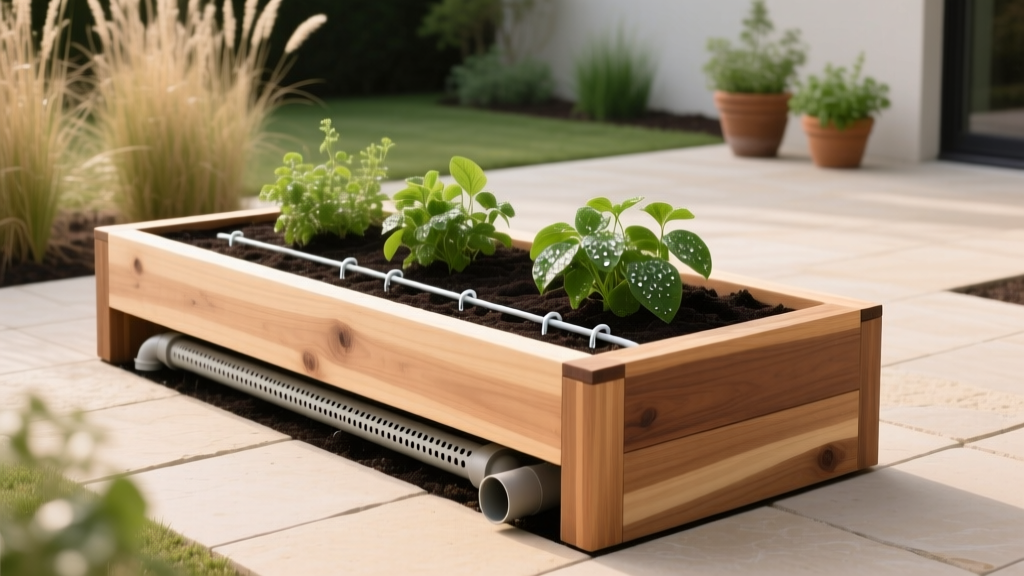
Cedar Raised Planter Box Drainage Pipe & Drip Setup 2026
Emily WatsonPublished
The 2026 Standard for Cedar Raised Beds and Water Management
As we navigate the landscaping trends of 2026, sustainable and long-lasting garden design remains at the forefront of homeowner priorities. The raised planter box constructed from Western Red Cedar continues to be the gold standard for edible and ornamental gardens due to its natural beauty, inherent insect resistance, and structural longevity. However, pairing a premium cedar planter with a high-efficiency drip irrigation system requires a meticulous, engineered approach to water management. Without a properly integrated landscape drainage pipe system, the constant moisture from drip emitters and heavy seasonal rains can lead to premature wood rot, anaerobic soil conditions, and compromised root health. This comprehensive guide explores how to seamlessly integrate landscape drainage pipe networks into your cedar raised beds to ensure they last for decades.
Why Landscape Drainage Pipe is Non-Negotiable for Cedar
Cedar is naturally rot-resistant, but it is not waterproof. When a raised bed is filled with dense soil and subjected to daily drip irrigation, the lower layers of the soil can easily become waterlogged if there is no escape route for the excess water. This creates a high-moisture environment that presses directly against the interior cedar walls. Over time, this constant hydrostatic pressure and moisture exposure will break down the wood's natural tannins, leading to structural failure. By installing a perforated landscape drainage pipe at the base of the planter, you create a dedicated exit channel for leachate and excess irrigation runoff. This pipe captures the water before it can pool against the wood, effectively preserving the cedar from the inside out while maintaining the perfect air-to-water ratio in the soil profile for plant roots.
Sourcing the Best Materials in 2026
1. The Cedar Wood
For the 2026 growing season, opt for rough-sawn Western Red Cedar in 2x8 or 2x10 dimensions. The rough-sawn texture holds up better to UV degradation and provides a more rustic, natural aesthetic. Ensure the wood is untreated and kiln-dried to prevent any chemical leaching into your garden soil.
2. The Landscape Drainage Pipe
The core of this project relies on high-quality drainage piping. You have a few options, but a 4-inch corrugated slotted HDPE (High-Density Polyethylene) pipe wrapped in a geotextile fabric sock is the industry standard for raised bed base drainage. Alternatively, rigid Schedule 40 PVC with custom-drilled weep holes offers superior crush resistance if the bed will be subjected to heavy foot traffic or machinery nearby.
3. The Drip Irrigation System
Modern 2026 drip irrigation kits, such as the latest Netafim Techline EZ or Rain Bird Xerigation systems, feature built-in pressure compensating emitters and check valves. These prevent low-head drainage—a common issue where water continues to leak out of the lowest emitters after the system shuts off, which would otherwise flood your drainage pipe network unnecessarily.
Step-by-Step Installation: Integrating Drainage Pipe and Drip Lines
Step 1: Excavation and Base Preparation
Begin by excavating the footprint of your cedar planter box to a depth of 6 inches. Level the ground and compact the soil. Lay down a heavy-duty, permeable geotextile landscape fabric over the dirt base. This fabric prevents native soil and roots from migrating up into your drainage aggregate while allowing water to pass through freely.
Step 2: Laying the Landscape Drainage Pipe
Place your 4-inch corrugated slotted drainage pipe along the center or perimeter of the excavated trench. The pipe must have a continuous downward slope of at least 1/8 inch per foot, daylighting outside the planter box into a dry well, a French drain, or a safe runoff area. If the bed is exceptionally long, use a T-fitting to create a secondary branch line to ensure rapid water evacuation. Wrap all pipe joints in landscape fabric tape to prevent soil intrusion.
Step 3: Adding the Drainage Aggregate
Cover the landscape drainage pipe with 3 to 4 inches of washed, angular 3/4-inch gravel. Do not use rounded river rock, as it does not lock together and can shift, potentially crushing the pipe or altering the slope. The gravel acts as a reservoir for excess water, giving it time to percolate into the pipe without saturating the soil above.
Step 4: Constructing the Cedar Box
Assemble your cedar planter box directly over the prepared base. Use exterior-grade stainless steel or polymer-coated structural screws designed for cedar to prevent unsightly rust stains. Line the interior walls of the cedar box with a dimpled high-density polyethylene (HDPE) drainage mat. This mat creates an air gap between the wet soil and the cedar wood, drastically extending the lifespan of the planter by allowing the interior wood to breathe and dry out between irrigation cycles.
Step 5: Soil Stratification and Drip Installation
Fill the bed with a high-quality raised bed soil mix, leaving the top 2 inches clear. Install your drip irrigation lines in a grid pattern, spacing the emitters 6 to 12 inches apart depending on your plant types. Connect the system to a 2026 smart Wi-Fi controller equipped with an inline soil moisture sensor. According to the EPA WaterSense Drip Irrigation Guide, utilizing smart drip systems can reduce outdoor water use by up to 80% compared to traditional sprinklers, ensuring you only apply water when the soil profile actually requires it, thereby reducing the burden on your landscape drainage pipe.
Comparison Chart: Drainage Pipe Options for Raised Beds
| Pipe Type | Material | Best Application | Estimated 2026 Cost (per 10 ft) |
|---|---|---|---|
| Corrugated Slotted | HDPE | Standard base perimeter drainage | $12 - $18 |
| Rigid Schedule 40 PVC | PVC | Heavy load areas, long-distance daylighting | $25 - $35 |
| NDS EZ-Flow | Polypropylene | Space-constrained beds, shallow trenches | $45 - $60 |
When selecting your pipe, consider the layout of your yard. As noted by the University of Wisconsin-Madison Extension on Raised Beds, proper soil depth and underlying drainage are critical for preventing root diseases in raised environments. If you have limited depth due to shallow bedrock or a concrete patio base, the NDS EZ-Flow system provides excellent drainage in a much slimmer profile than traditional corrugated piping.
Optimizing the Drip and Drainage Synergy
The true magic of this setup lies in the synergy between the drip irrigation and the landscape drainage pipe. Drip irrigation applies water slowly and directly to the root zone. However, during heavy spring rains, the soil can reach field capacity. The drainage pipe acts as a safety valve. When the soil becomes fully saturated, gravity pulls the excess water down through the gravel layer and into the slotted pipe, which immediately whisks it away from the cedar walls. Conversely, during dry summer months, the smart drip controller applies precise amounts of water that are entirely absorbed by the plant roots and the soil matrix, meaning the drainage pipe remains dry, preserving the structural integrity of the base aggregate.
Long-Term Maintenance for 2026 and Beyond
To ensure your cedar raised planter box and its integrated drainage system perform flawlessly for years to come, implement a bi-annual maintenance routine. In early spring, flush the landscape drainage pipe by running a garden hose down the access cleanouts to clear any fine silt or root intrusions that may have bypassed the geotextile fabric. Simultaneously, flush your drip irrigation lines by opening the end caps to blow out any mineral deposits or debris. Inspect the interior cedar walls behind the HDPE dimpled mat for any signs of moisture retention or fungal growth, and ensure the daylight exit of your drainage pipe remains free of leaves, mulch, and soil buildup. By respecting the hydrology of your garden and giving water a clear path to exit, your cedar planter will remain a stunning, productive focal point of your landscape for decades.

