Gardening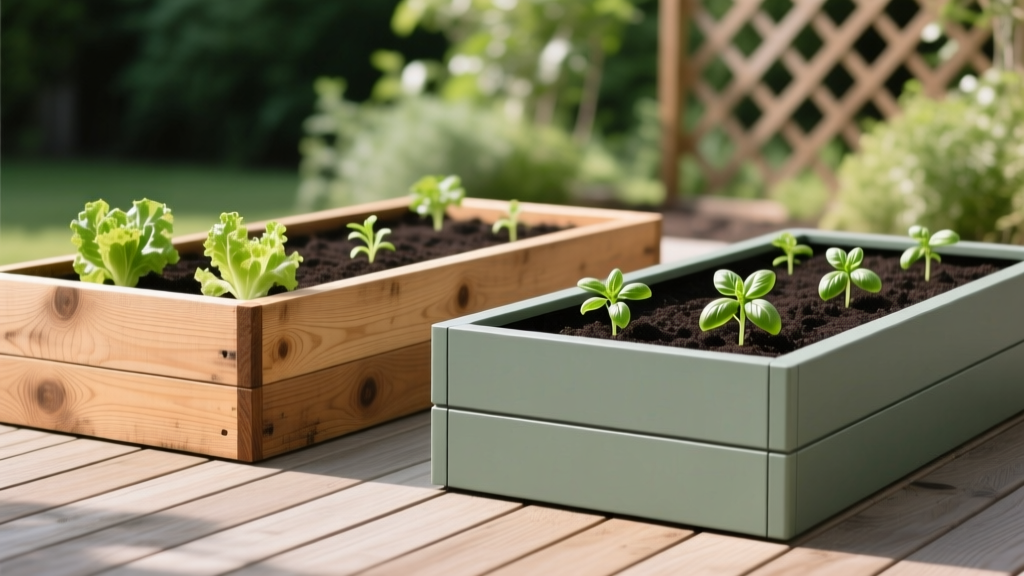
Cedar vs Composite Raised Beds: 2026 Cost & Longevity Guide
James MillerPublished
Introduction to Raised Bed Materials in 2026
Raised bed vegetable gardening has evolved significantly, and as we move through 2026, home growers are faced with a wider array of durable, eco-friendly materials than ever before. The two undisputed heavyweights in the premium raised bed market remain natural cedar and engineered composite lumber. While both offer distinct advantages over traditional pressure-treated pine or corrugated metal, choosing between them requires a careful look at your budget, local climate, and long-term garden goals.
In this comprehensive guide, we break down the 2026 costs, expected longevity, soil health implications, and maintenance requirements of cedar versus composite raised bed kits. Whether you are growing deep-rooted tomatoes or shallow salad greens, understanding these materials will ensure your garden infrastructure lasts for decades.
The Case for Cedar Raised Bed Kits
Cedar has long been the gold standard for organic gardeners. Western Red Cedar and Alaskan Yellow Cedar contain natural oils (thujaplicins) that act as built-in fungicides and insect repellents, making them highly resistant to rot and decay without the need for chemical treatments.
2026 Pricing and Market Trends
Following the supply chain fluctuations of the early 2020s, cedar lumber prices have stabilized by 2026, though they remain a premium investment. A standard 4x8-foot cedar raised bed kit (11 inches deep) typically retails between $250 and $400, depending on the thickness of the boards (1-inch vs. 2-inch nominal) and the hardware included. Untreated, raw cedar is more affordable, while pre-stained or kiln-dried options push the upper limits of that price bracket.
Longevity and Lifespan
In direct soil contact, a high-quality cedar raised bed will generally last 10 to 15 years. If you live in a dry, arid climate, your cedar beds could easily push past the 15-year mark. However, in humid, rain-heavy regions, the bottom boards resting directly on the soil will begin to show signs of degradation around year 8 or 9. According to the University of Minnesota Extension, untreated cedar is one of the safest and most durable natural woods for edible gardens, completely avoiding the heavy metal concerns associated with older pressure-treated lumbers.
Maintenance Requirements
Cedar requires a "choose your own adventure" approach to maintenance. If you love the silvery-gray patina that weathered wood develops, you can do absolutely nothing. If you prefer the rich, honey-brown hue of fresh cedar, you will need to apply a food-safe, plant-based sealant (like raw linseed oil) every two to three years.
The Case for Composite Raised Bed Kits
Composite lumber is manufactured from a blend of recycled wood fibers and high-density polyethylene (HDPE) plastics. Brands leading the 2026 market, such as Frame It All and Gardener's Supply Company, have perfected the extrusion process to create boards that mimic the look of real wood while offering the indestructible nature of plastic.
2026 Pricing and Market Trends
Composite kits carry a higher upfront cost than cedar. A comparable 4x8-foot composite kit (11 inches deep) generally ranges from $320 to $550 in 2026. The price variance is largely dictated by the brand, the realism of the wood-grain texturing, and the inclusion of heavy-duty stainless steel corner brackets. While the initial sting is greater, proponents argue the cost-per-year of use is actually lower.
Longevity and Lifespan
Composite lumber simply does not rot, splinter, or harbor insects. You can reasonably expect a composite raised bed to last 20 to 25 years, with many manufacturers offering 10-to-15-year warranties against structural failure. The primary point of failure in composite beds is not the boards themselves, but the joints. Ensuring your kit uses stainless steel or reinforced aluminum corner brackets is crucial, as plastic joints can become brittle after a decade of UV exposure and freezing winters.
Maintenance Requirements
Maintenance is virtually non-existent. Composite boards will not fade significantly, nor will they gray. A quick spray with a garden hose and a soft-bristle brush in the spring is all that is required to remove dirt and algae splash-up.
Head-to-Head Comparison: Cedar vs. Composite
To help you visualize the differences, here is a side-by-side breakdown of how these two premium materials stack up against each other in the 2026 gardening season.
| Feature | Cedar Wood | Composite Lumber |
|---|---|---|
| Upfront Cost (4x8 Kit) | $250 - $400 | $320 - $550 |
| Expected Lifespan | 10 - 15 Years | 20 - 25+ Years |
| Maintenance | Moderate (Sealing required for color) | Low (Occasional washing) |
| Heat Retention | Low (Stays cool in summer) | High (Can bake roots in full sun) |
| Eco-Impact | Biodegradable, renewable resource | Recycled materials, not biodegradable |
| Structural Rigidity | High (Naturally stiff) | Moderate (Can bow outward if unsupported) |
Soil Health, Heat Retention, and Chemical Leaching
When growing food, the interaction between your bed's walls and the soil ecosystem is paramount. Cedar is entirely natural. As it slowly breaks down, it adds trace amounts of organic matter to the soil edge, though this is negligible. There are zero concerns about chemical leaching with untreated cedar.
Composite lumber is inert, meaning it will not leach harmful chemicals into your soil. However, a major consideration for 2026 vegetable gardeners is heat retention. Composite boards, particularly darker colors like "classic espresso" or "walnut," absorb and radiate significant heat during peak summer months. According to guidelines from The Old Farmer's Almanac, managing soil temperature is critical for root health. If you are growing heat-sensitive crops like carrots, radishes, or leafy greens, a dark composite bed in a full-sun location can raise the peripheral soil temperature enough to cause bolting or stunted root development. To mitigate this, gardeners using composite beds should opt for lighter colors (like gray or sand) or line the interior walls with a layer of natural burlap or bubble insulation.
Another factor is bowing. Wet soil is incredibly heavy. A 4x8 bed filled with damp compost and topsoil can exert hundreds of pounds of outward lateral pressure. Cedar's natural rigidity handles this well. Composite boards are more flexible; if your kit does not include cross-braces or aluminum stakes driven into the ground every 4 feet, the sides of your composite bed will bow outward over time.
Installation and Assembly Differences
Both cedar and composite kits are designed for DIY assembly, usually requiring only a drill, a level, and a rubber mallet. However, there are distinct differences in the building experience.
- Weight: Composite boards are significantly heavier than cedar. While a cedar kit can usually be carried to the backyard by one person, a composite kit often requires two people to transport and assemble.
- Cutting and Customization: If you need to modify the shape of your bed to fit a sloped yard or an odd corner, cedar is easily cut with a standard handsaw or circular saw. Cutting composite lumber requires a specialized blade to prevent melting or fraying the plastic edges, and it produces a fine plastic dust that requires a respirator mask to safely clean up.
- Hardware: Premium cedar kits in 2026 often utilize mortise-and-tenon joinery or heavy steel corner plates. Composite kits rely almost entirely on stacking joints (pins that drop into the hollow core of the board) and screw-in brackets.
Final Verdict: Which Should You Choose?
The decision between cedar and composite ultimately comes down to your gardening philosophy, budget, and physical location.
Choose Cedar If: You are a purist who prioritizes 100% natural, biodegradable materials in your garden ecosystem. Cedar is also the better choice if you live in a hot, southern climate where summer soil temperatures are already pushing the limits for cool-season crops, or if you anticipate needing to cut and customize your beds to fit a complex landscape design.
Choose Composite If: You view your garden as a long-term, "buy it for life" infrastructure project and want to eliminate weekend maintenance chores. Composite is ideal for northern climates with shorter growing seasons, where the heat-retention properties of the boards can actually help keep the soil warm during the chilly shoulder seasons of spring and autumn.
Whichever material you select, investing in a premium kit in 2026 will save you from the frustrations of rotting pine and rusting metal, setting the stage for a bountiful, low-stress vegetable harvest for years to come.
