Gardening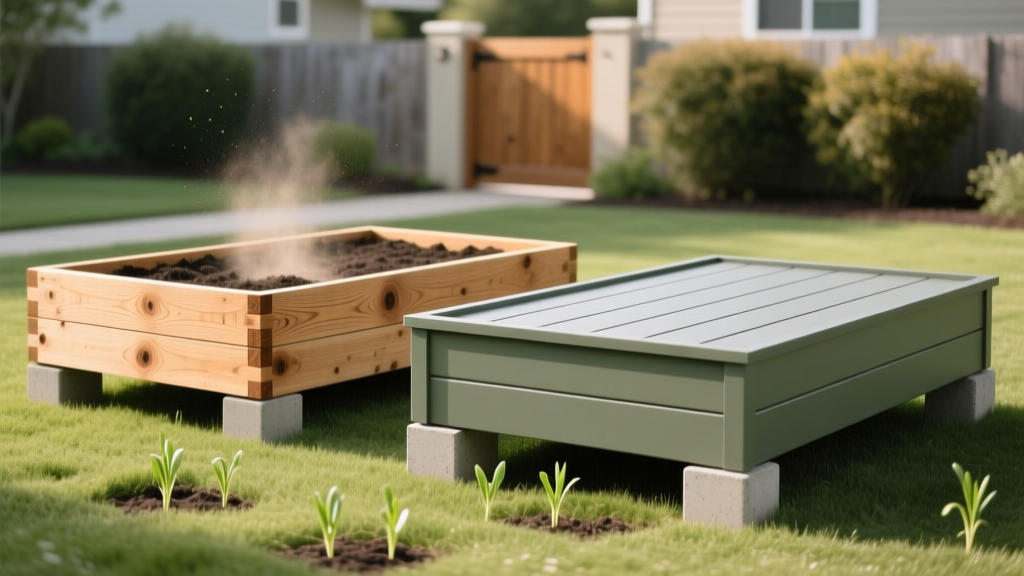
Cedar vs Composite Raised Beds 2026: Cost, Longevity & Soil Aeration
Robert HayesPublished
The 2026 Raised Bed Renaissance: Material Choices and Soil Health
As we navigate the 2026 gardening season, raised bed kits remain the undisputed champions of home vegetable and flower gardening. However, the decision between traditional cedar and modern composite materials goes far beyond mere aesthetics. For the serious gardener, the choice of bed material fundamentally dictates your long-term soil aeration strategy, moisture management, and even how you approach seeding cover crops. Furthermore, the physical installation of these heavy kits impacts your surrounding landscape, necessitating a rigorous lawn aeration and overseeding protocol to maintain a cohesive yard.
In this comprehensive guide, we will break down the cost and longevity of cedar versus composite raised bed kits in 2026, viewed entirely through the critical lens of aeration and seeding. Whether you are managing internal soil compaction or repairing the turfgrass perimeter, understanding the interplay between your bed walls and your soil ecosystem is vital for a thriving garden.
Cedar Raised Bed Kits: Natural Breathability and 2026 Pricing
Western Red Cedar has long been the gold standard for raised bed construction. In 2026, stabilized lumber supply chains have kept the cost of premium cedar kits relatively predictable, though they remain a significant investment. A standard 4x8 foot cedar kit (11 inches deep) typically ranges from $180 to $280, depending on the thickness of the boards and the hardware included.
Longevity and Decomposition
Untreated cedar relies on its natural tannins and oils to resist rot and insect damage. In most climate zones, a high-quality cedar bed will last between 10 to 15 years before the bottom boards begin to succumb to soil moisture and microbial breakdown. While this lifespan is shorter than synthetic alternatives, the gradual decomposition of cedar actually adds minor organic compounds to the outermost layers of your soil profile.
The Aeration Advantage: Porous Wood
From an aeration perspective, cedar is a breathable material. The microscopic pores in the wood allow for lateral gas exchange. This means that oxygen from the surrounding air can slowly permeate the soil edges, while excess carbon dioxide produced by root respiration and microbial activity can escape. This passive aeration helps prevent the formation of anaerobic pockets along the inner walls of the bed, promoting a healthier, more expansive root system for your seeded crops.
Composite Raised Bed Kits: The Impermeable Fortress
Composite raised beds, primarily manufactured from recycled high-density polyethylene (HDPE) and wood fibers, have surged in popularity. Thanks to advanced manufacturing techniques introduced over the last few years, 2026 composite kits feature improved UV inhibitors and more realistic wood-grain textures. A comparable 4x8 foot composite kit generally costs between $280 and $420. While the upfront cost is higher, the long-term economics often favor composite due to its extreme durability.
Longevity and Structural Integrity
Composite materials are virtually impervious to rot, termites, and fungal decay. You can reasonably expect a composite raised bed to last 25 to 50 years. They will not warp, splinter, or leach harmful chemicals into your soil, making them a 'buy it for life' option for permanent garden layouts.
The Aeration Challenge: Heat and Moisture Trapping
The major drawback of composite from a soil health perspective is its impermeability. Composite walls do not breathe. They trap moisture and, more importantly, absorb and radiate heat. During the peak of summer, the soil adjacent to composite walls can become significantly warmer and denser. This lack of lateral airflow, combined with repeated watering, accelerates soil settling and compaction along the edges. Consequently, composite beds require a much more aggressive, proactive internal aeration strategy compared to cedar.
Cost, Longevity, and Aeration Comparison Matrix
| Feature | Cedar Wood Kits (2026) | Composite HDPE Kits (2026) |
|---|---|---|
| Average Cost (4x8 ft) | $180 - $280 | $280 - $420 |
| Expected Lifespan | 10 - 15 Years | 25 - 50 Years |
| Wall Breathability | High (Passive Gas Exchange) | None (Impermeable) |
| Internal Aeration Need | Moderate (Standard Broadforking) | High (Deep Tine Aeration Required) |
| Heat Retention | Low to Moderate | High (Can Scorch Edge Roots) |
Internal Soil Aeration: Managing Compaction Over Time
Regardless of whether you choose cedar or composite, the soil inside a raised bed will naturally settle and compact over time due to gravity, watering, and foot traffic. However, the material of your bed walls changes how you must approach this compaction.
According to the USDA NRCS Soil Health guidelines, maintaining soil structure without destroying the fungal networks is paramount. In cedar beds, the natural breathability of the wood means you can often get away with shallow aeration using a hand fork or a garden weasel between planting seasons. The edges remain relatively loose.
In composite beds, the trapped moisture and heat create a 'baking' effect that turns the outer two inches of soil into a dense, brick-like crust by late August. To combat this, gardeners using composite kits must employ a 3-tine or 5-tine broadfork every late autumn. By sinking the tines deeply and gently rocking the handle back, you fracture the compacted soil layers, allowing oxygen to penetrate the subsoil without inverting the soil horizons or destroying the delicate mycorrhizal networks that your plants rely on.
Biological Aeration Through Strategic Seeding
One of the most effective ways to maintain soil aeration in raised beds—especially in heat-trapping composite models—is through the strategic seeding of cover crops. Instead of relying solely on mechanical tools, you can use plant roots to do the heavy lifting.
Seeding Daikon Radish for Deep Fracturing
In the late summer or early fall, seeding Daikon radishes (often called tillage radishes) is a game-changer for raised beds. These massive taproots plunge deep into compacted soil, creating biological drill holes. When the radishes winter-kill and decompose, they leave behind large, open channels that drastically improve water infiltration and deep-soil aeration for the following spring's cash crops. Because composite beds retain heat longer into the autumn, you can often seed Daikon radishes two to three weeks later in composite beds than you could in cedar beds or open ground.
Crimson Clover for Nitrogen and Surface Aeration
For surface-level aeration and organic matter generation, overseeding your beds with crimson clover in early spring is highly recommended. The dense, fibrous root mat of the clover holds the soil together, preventing the heavy spring rains from washing away your carefully prepared beds and sealing the surface crust. When you terminate the clover, the decaying roots leave a sponge-like structure that maximizes oxygen availability for your summer tomatoes and peppers.
The Perimeter Problem: Lawn Aeration and Seeding Post-Installation
The installation of raised bed kits is a disruptive event for your surrounding landscape. Hauling hundreds of pounds of soil, compost, and lumber across your yard inevitably leads to severe soil compaction in the turfgrass surrounding the new beds. Furthermore, the microclimate created by the raised beds alters sunlight and water runoff patterns, stressing the adjacent grass.
If you ignore the perimeter, you will be left with a ring of dead, compacted dirt that invites weed invasion and creates a muddy mess during rainstorms. To maintain a pristine landscape, you must integrate lawn aeration and overseeding into your raised bed installation plan.
Core Aeration Around the Perimeter
Immediately after installing your cedar or composite kits, rent a walk-behind core aerator. Focus on a 3-foot perimeter around the entire exterior of the raised beds. Core aeration pulls small plugs of soil from the ground, relieving the compaction caused by your wheelbarrows and foot traffic. As noted by the University of Minnesota Extension, removing these cores allows water, oxygen, and nutrients to reach the stressed root zones of the surrounding turf, facilitating rapid recovery.
Overseeding with Shade-Tolerant Blends
Because raised beds cast moving shadows and alter water drainage, the grass immediately adjacent to the beds requires specific seed blends. After core aerating, overseed the perimeter with a high-quality Tall Fescue or Fine Fescue blend. These grasses are more tolerant of the shifting light conditions and the slightly drier soil conditions caused by the raised bed walls wicking moisture away from the surrounding earth. Apply the seed at a rate of 5 to 8 pounds per 1,000 square feet, rake it lightly into the aeration holes, and keep the perimeter consistently moist for 14 to 21 days until germination is complete.
Final Verdict for the 2026 Season
Choosing between cedar and composite raised bed kits in 2026 ultimately depends on how much active soil management you are willing to perform. If you prefer a more hands-off approach to soil aeration and appreciate the natural, breathable qualities of wood that promote passive gas exchange, cedar remains an exceptional, cost-effective choice. It supports robust root health with less mechanical intervention, provided you are willing to replace the beds in a decade or so.
Conversely, if you are building a permanent garden infrastructure and are committed to rigorous annual broadforking and strategic cover crop seeding to manage compaction, composite kits offer unmatched longevity and structural beauty. Just remember that no matter which material you choose, the health of your garden is intrinsically linked to the health of the soil inside the bed and the turfgrass thriving just outside of it. By prioritizing both internal biological aeration and external lawn overseeding, your 2026 garden will be built on a foundation of uncompromised, oxygen-rich soil.
