Gardening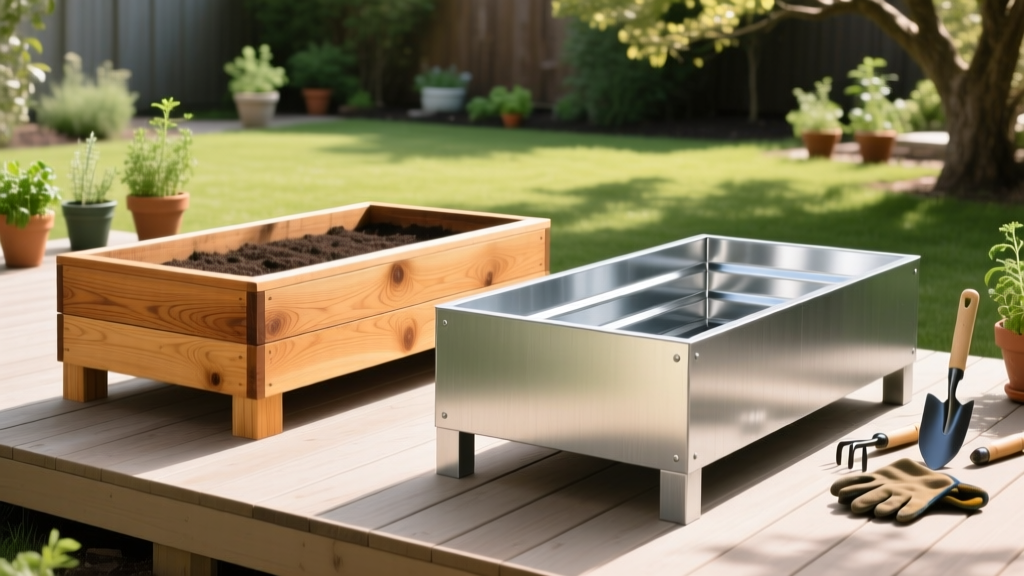
Cedar vs Galvanized Raised Beds: Top Garden Kits Reviewed
Emily WatsonPublished
The Ultimate Showdown: Cedar vs. Galvanized Steel Raised Beds
Raised bed gardening has completely transformed how homeowners and urban farmers approach vegetable and flower gardening. By elevating your soil, you gain superior drainage, better weed control, and the ability to customize your soil profile for specific crops. However, when shopping for raised bed garden kits, gardeners are typically faced with a major decision: should you invest in traditional cedar wood or opt for modern galvanized steel? In this comprehensive product review and comparison, we break down the top kits on the market, analyze their longevity, and help you decide which material deserves a permanent spot in your backyard.
The Case for Cedar: Greenes Fence Thick Cedar Raised Bed
For decades, cedar has been the gold standard for raised bed construction. Cedar contains natural oils that make it highly resistant to rot, decay, and insect damage without the need for chemical treatments, making it a favorite for organic vegetable gardeners.
Product Review: Greenes Fence 4x8 ft. Dovetail Cedar Raised Bed
The Greenes Fence Dovetail Cedar Raised Bed is a standout product for gardeners who want a classic, natural aesthetic without the hassle of power tools. Priced at approximately $149.99 for a 4-foot by 8-foot by 10.5-inch kit, this model utilizes a slide-together dovetail design.
- Assembly Time: 15 to 20 minutes. No nails or screws are required.
- Material Quality: Made from North American cedar, though the boards are relatively thin (about 11/16 inch thick).
- Pros: 100% organic and safe for edibles, beautiful natural wood grain, incredibly easy to assemble and disassemble if you move.
- Cons: The thinner boards can bow outward slightly when saturated with heavy, wet soil. It will eventually weather to a silvery-gray patina unless treated with a food-safe sealant like raw linseed oil.
Best for: Traditionalists, organic vegetable gardeners, and renters who may need to disassemble their garden beds in the future.
The Case for Steel: VEVOR Galvanized Raised Garden Bed
Galvanized steel raised beds have surged in popularity over the last five years. They offer a sleek, modern farmhouse aesthetic and boast a lifespan that easily outlasts wood. The galvanization process coats the steel in a layer of zinc, preventing rust and corrosion even in wet soil conditions.
Product Review: VEVOR 8x4x1 ft. Galvanized Planter Box
The VEVOR Galvanized Raised Garden Bed is currently a top-seller due to its aggressive pricing and structural durability. Retailing for around $69.99 for an 8-foot by 4-foot by 1-foot kit, it provides excellent depth for deep-rooting crops like tomatoes and carrots.
- Assembly Time: 45 to 60 minutes. Requires a power drill or socket wrench to secure the numerous nuts and bolts along the corrugated seams.
- Material Quality: Thick corrugated galvanized steel with a reinforced top edge guard to prevent cuts during gardening.
- Pros: Extremely durable (20+ year lifespan), completely pest-proof against burrowing rodents, and the metal reflects light, which can slightly warm the soil in early spring.
- Cons: Assembly is tedious. In extreme summer heat (zones 9 and above), the metal edges can become hot to the touch, and the soil may dry out faster along the perimeter.
Best for: Budget-conscious gardeners, those dealing with gopher or mole issues, and homeowners seeking a modern, industrial-chic landscape design.
Head-to-Head Comparison Chart
How do these two popular materials stack up against each other across critical gardening metrics? Review our comparison table below to see which aligns with your specific needs.
| Feature | Cedar Wood Kits (e.g., Greenes Fence) | Galvanized Steel Kits (e.g., VEVOR) |
|---|---|---|
| Estimated Cost (4x8 ft) | $130 - $160 | $60 - $90 |
| Expected Lifespan | 10 to 15 years | 20 to 30+ years |
| Assembly Difficulty | Very Easy (No tools) | Moderate (Nuts, bolts, drill) |
| Soil Temperature | Insulating, stays stable | Conductive, warms faster in spring |
| Pest Resistance | Moderate (Wood can eventually rot) | Excellent (Impenetrable to rodents) |
| Aesthetic Style | Classic, rustic, natural | Modern, farmhouse, industrial |
Addressing the Zinc Concern: Is Galvanized Steel Safe?
A frequent question we receive at Lawns Guide is whether the zinc coating on galvanized steel is safe for growing edible vegetables. It is a valid concern, as heavy metal toxicity can ruin a garden. However, you can rest easy.
According to the Oregon State University Extension Service, the amount of zinc that leaches from modern galvanized steel into garden soil is negligible. Zinc is actually an essential micronutrient for plant growth, and the levels released are well below toxic thresholds for both plants and humans. Furthermore, zinc only leaches significantly in highly acidic environments (pH below 5.0). By maintaining a neutral soil pH between 6.0 and 7.0, you virtually eliminate any risk of zinc leaching.
To be extra cautious, some gardeners choose to line the inside walls of their steel beds with heavy-duty landscape fabric or food-grade HDPE plastic, which also serves to protect the metal from constant moisture exposure, extending its lifespan even further.
Calculating Soil Volume and Filling Costs
Regardless of whether you choose cedar or steel, the most significant expense in raised bed gardening is not the kit itself—it is the soil. A standard 4-foot by 8-foot bed that is 1 foot deep requires exactly 32 cubic feet of soil.
We recommend avoiding cheap fill dirt or heavy garden soil, which will compact in a raised bed and suffocate plant roots. Instead, utilize a variation of the famous Mel's Mix developed by Square Foot Gardening pioneer Mel Bartholomew:
- 33% Coarse Vermiculite or Perlite (for drainage and aeration)
- 33% Peat Moss or Coconut Coir (for moisture retention)
- 33% Blended Compost (for nutrients and microbial life)
Cost Breakdown: Filling a 32-cubic-foot bed with high-quality bagged ingredients will cost between $120 and $180, depending on your region. To save money, buy topsoil and compost in bulk from a local landscape supply yard by the cubic yard, and bag your own perlite and coco coir.
When filling your beds, it is crucial to water the soil in layers. If you simply dump dry peat moss and compost into the bed and plant immediately, the soil will settle dramatically after the first heavy rain, leaving your bed half empty. Fill the bed one-third full, water it deeply with a hose to eliminate air pockets, and repeat until you reach the top. This ensures a stable root environment for your transplants and seeds.
Longevity and Maintenance Requirements
To maximize your investment, both materials require a minimal amount of seasonal maintenance. For cedar beds, apply a coat of raw, food-safe linseed oil or tung oil every two years to preserve the wood's natural honey color and prevent moisture intrusion. If you prefer the rustic gray look, simply let it weather naturally, but ensure the bed is placed on a well-draining surface like crushed gravel rather than directly on constantly soggy grass.
For galvanized steel beds, maintenance is virtually zero. However, you should avoid using highly acidic fertilizers (like excessive amounts of fresh manure or sulfur-based soil acidifiers) directly against the metal walls, as prolonged acidity can degrade the zinc coating over decades. Additionally, check the rubber safety edging on the top rim after harsh winters, as UV exposure and freezing temperatures can cause the plastic trim to become brittle and crack.
Another tip for galvanized beds is to install a simple drip irrigation system along the interior perimeter. Because the metal conducts heat, the soil touching the walls dries out much faster than the center of the bed. A drip line placed two inches from the wall ensures that the outermost roots of your tomatoes and peppers do not suffer from heat stress during July and August.
Final Verdict: Which Should You Buy?
Ultimately, the choice between cedar and galvanized steel comes down to your budget, your local climate, and your aesthetic preferences. If you are an organic purist who values traditional craftsmanship, natural materials, and tool-free assembly, the Greenes Fence Cedar Raised Bed is an unbeatable choice that will serve your garden beautifully for a decade or more.
On the other hand, if you are looking for maximum longevity, superior protection against burrowing pests, and a highly cost-effective solution that allows you to build multiple beds on a budget, the VEVOR Galvanized Steel Kit is the clear winner. Whichever material you select, investing in a high-quality raised bed kit is the first step toward a thriving, high-yield garden season.
