Gardening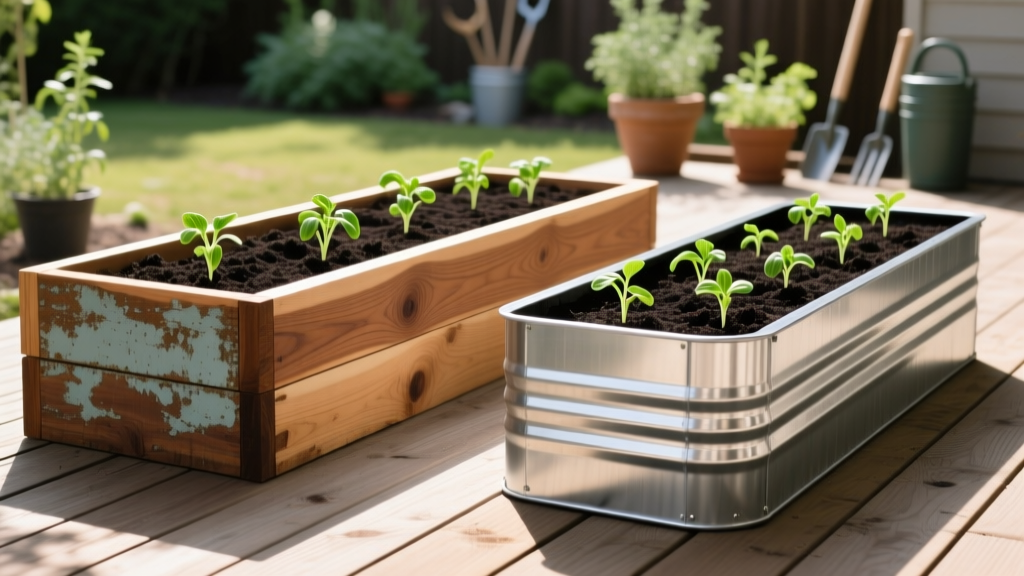
Best Raised Bed Garden Kits: Cedar vs Galvanized Steel
Anna KowalskiPublished
The Great Raised Bed Debate: Cedar vs. Galvanized Steel
Gardening in raised beds offers unparalleled control over soil quality, drainage, and weed management. Whether you are cultivating heirloom tomatoes, crisp leafy greens, or vibrant cut flowers, the vessel you choose to hold your soil is just as critical as the seeds you plant. For decades, natural wood has been the undisputed king of the backyard garden. However, in recent years, modern galvanized steel kits have surged in popularity, promising longer lifespans and sleek aesthetics. As a senior horticulturist and product reviewer, I have spent the last three growing seasons testing both materials side-by-side to determine which truly deserves a spot in your garden.
Why Material Choice Dictates Your Garden's Success
The material of your raised bed influences more than just the visual appeal of your landscape. It directly impacts soil temperature dynamics, moisture retention, root health, and the long-term financial investment of your gardening setup. A material that works beautifully in the cool, damp Pacific Northwest might cause severe heat stress to plant roots in the scorching summers of the American South. Understanding the thermal mass, chemical safety, and structural integrity of cedar versus steel is the first step toward a bountiful harvest.
Cedar Raised Bed Kits: The Classic Choice
Top Pick: Greenes Fence 4' x 8' Cedar Raised Bed
Western Red Cedar has long been the gold standard for wooden garden beds due to its natural oils, which provide exceptional resistance to rot, decay, and insect infestations without the need for toxic chemical treatments. The Greenes Fence 4' x 8' Dovetail Cedar Raised Bed is a standout product in this category.
- Dimensions: 48 inches by 96 inches by 10.5 inches deep.
- Average Cost: $130 - $160 per kit.
- Assembly Time: 15 minutes (no tools required for the dovetail joints).
- Lifespan: 7 to 12 years, depending on climate and ground contact.
The primary advantage of this cedar kit is its insulating properties. Wood does not conduct heat rapidly, meaning your soil temperature remains relatively stable, protecting delicate root systems from extreme afternoon sun. Furthermore, the thick wooden walls provide a sturdy, comfortable seating ledge for gardeners during weeding and harvesting sessions. However, cedar beds do require eventual maintenance. Over time, the wood will weather to a silvery-gray, and the bottom boards, in constant contact with moist soil, will eventually succumb to rot.
Galvanized Steel Raised Bed Kits: The Modern Contender
Top Pick: Birdies Modular 6-in-1 Metal Raised Garden Bed
Galvanized steel beds represent the new frontier of durable gardening infrastructure. The Birdies Modular 6-in-1 Raised Bed utilizes a specialized zinc-aluminum-magnesium coating that prevents rust and corrosion far better than traditional galvanized tin.
- Dimensions: Modular configurations up to 24 inches by 96 inches by 17 inches deep.
- Average Cost: $180 - $240 per kit.
- Assembly Time: 45 to 60 minutes (requires a power drill and socket wrench).
- Lifespan: 20+ years.
The 17-inch depth of the Birdies kit is a game-changer for deep-rooted crops like indeterminate tomatoes, parsnips, and daikon radishes, which often struggle in the shallow 10-inch depth of standard wooden kits. The steel walls are incredibly thin, maximizing your internal planting volume while minimizing the physical footprint. The corrugated design also provides immense structural strength, preventing the outward bowing that often plagues large wooden beds filled with heavy, wet soil. The main drawback is the higher upfront cost and the sharp edges present during the assembly process, which require heavy work gloves.
Head-to-Head Comparison Chart
| Feature | Western Red Cedar | Galvanized Steel |
|---|---|---|
| Initial Cost (4x8 ft) | $130 - $160 | $180 - $240 |
| Expected Lifespan | 7 - 12 Years | 20+ Years |
| Soil Temperature | Insulated, Stable | Conductive, Warms Quickly |
| Assembly Difficulty | Very Easy (No Tools) | Moderate (Tools Required) |
| Standard Depth | 10 - 12 Inches | 17 - 24 Inches |
| End-of-Life Disposal | Biodegradable / Compostable | 100% Recyclable Metal |
Soil Temperature and Seasonal Planting Dynamics
One of the most profound differences between wood and steel is thermal conductivity. Metal is an excellent conductor of heat, while wood is an insulator. In early spring, a galvanized steel bed will absorb the sun's radiant energy and warm the soil up to two weeks faster than a cedar bed. This allows gardeners in cooler climate zones to plant frost-tolerant crops like spinach, peas, and radishes much earlier in the season.
However, this same conductive property becomes a liability in the peak of summer. In regions where ambient air temperatures regularly exceed 90°F (32°C), the metal edges can become hot enough to stress the outer roots of your plants. Actionable Advice: If you choose steel beds in a hot climate, plant heat-loving crops like peppers and sweet potatoes near the edges, and use shade cloth or plant tall companion crops like sunflowers on the south-facing side to cast protective afternoon shadows over the metal walls.
Chemical Safety and Heavy Metal Leaching
A common concern among organic gardeners is whether galvanized steel will leach toxic heavy metals into the soil and, subsequently, into the food supply. To address this, we look to the research provided by university agricultural extensions.
According to the Oregon State University Extension Service, the zinc coating on galvanized steel is generally safe for growing edibles. Zinc is an essential plant micronutrient, and the minimal amount that might leach into acidic soils over decades is unlikely to reach toxic levels for human consumption.
While zinc is safe, the OSU Extension notes that highly acidic soils (pH below 5.5) can accelerate the breakdown of the galvanized coating. To protect both your plants and your investment, maintain a neutral soil pH between 6.2 and 6.8. Avoid using highly acidic amendments like pure peat moss or sulfur directly against the metal walls, and consider lining the interior of the bed with heavy-duty landscape fabric to create a physical barrier between the soil and the steel.
Actionable Assembly and Soil Filling Guide
Regardless of whether you choose cedar or steel, the success of your raised bed relies heavily on how you prepare the base and fill it with soil. Do not simply fill your new bed with dense dirt dug from your yard; it will compact and suffocate your plants.
Step 1: Site Preparation and Weed Blocking
Level the ground where the bed will sit. Lay down overlapping layers of plain, uncoated cardboard directly on the grass or soil. This acts as a biodegradable weed barrier that will smother existing grass while allowing earthworms to migrate up into your new bed. Avoid using synthetic plastic sheeting at the bottom, as it destroys drainage and soil ecology.
Step 2: The Ideal Soil Recipe
For optimal drainage, moisture retention, and nutrient density, mix your soil in the following ratio:
- 40% High-Quality Topsoil: Provides the mineral base and bulk structure.
- 40% Organic Compost: A blend of mushroom compost, worm castings, and aged manure for microbial life and nutrients.
- 20% Aeration Material: Coarse horticultural perlite, pumice, or pine bark fines to ensure oxygen reaches the root zone and prevents waterlogging.
Cost Note: Filling a 4' x 8' x 17' steel bed requires approximately 45 cubic feet of soil. Buying in bulk from a local landscape supply yard will cost roughly $120 to $180, whereas buying bagged soil from a big-box store can easily exceed $400.
Step 3: Maintenance and Longevity
For cedar beds, apply a coat of raw, food-safe linseed oil to the exterior wood every two years to slow the weathering process and extend its lifespan. Never use pressure-treated wood or toxic wood stains on the interior. For steel beds, inspect the bolts annually and tighten them, as the freezing and thawing cycles of winter can cause the metal to shift slightly, loosening the hardware over time.
Final Verdict: Which Should You Buy?
The choice between cedar and galvanized steel ultimately depends on your budget, your climate, and your physical mobility. If you are a budget-conscious gardener, prefer a traditional rustic aesthetic, or live in an area with extreme, unrelenting summer heat, the Greenes Fence Cedar Raised Bed is an excellent, insulating, and easy-to-assemble choice.
However, if you view your garden as a long-term landscape investment, require deeper soil volumes for root crops, or want to maximize your spring planting window in a cooler climate, the Birdies Modular Galvanized Steel Bed is the superior product. Its 20-year lifespan means you will likely never need to build another raised bed again, making the higher initial cost easily justifiable over a decade of abundant harvests.
