Lawn Care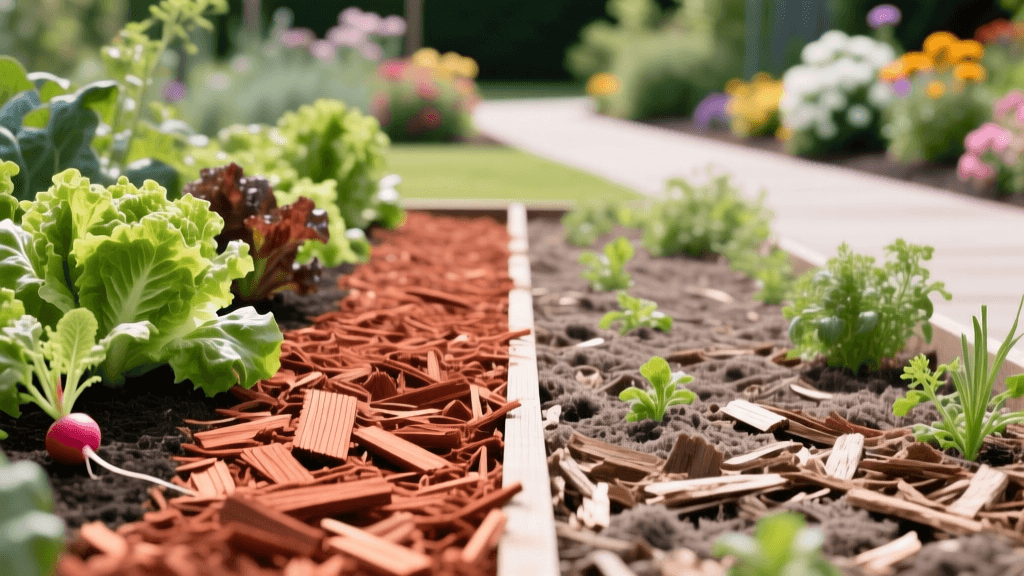
Cedar vs Hardwood Mulch for Edible Garden Beds 2026
The Rise of Foodscaping and Lawn Integration
As we navigate the 2026 growing season, the traditional American lawn is undergoing a massive transformation. Homeowners are increasingly moving away from sterile, high-maintenance turfgrass and embracing 'foodscaping'—the seamless integration of edible plants into ornamental and functional landscape designs. Whether you are planting a perimeter of blueberry bushes, installing raised cedar beds for tomatoes, or cultivating a sprawling pumpkin patch where the front yard used to be, the transition zone between your remaining lawn and your edible garden beds is critical. This border requires careful management to prevent aggressive turfgrass from encroaching on your crops while maintaining soil health and moisture.
The most effective way to manage these lawn-to-garden borders is through the strategic application of organic mulch. However, when growing food, the stakes are higher than with purely ornamental beds. You must consider soil chemistry, decomposition rates, and the potential for chemical leaching. The two most popular choices for these borders are cedar mulch and hardwood mulch. But which one is actually better for your edible landscape? This comprehensive guide breaks down the science, costs, and practical applications of both materials to help you make the best choice for your foodscaping projects in 2026.
Understanding the Lawn-to-Edible Border
In a traditional lawn care setting, mulch is primarily used for weed suppression and moisture retention around ornamental shrubs. In an edible landscape, mulch serves a dual purpose: it acts as a physical barrier against invasive lawn grasses (like Bermuda or creeping Charlie) while simultaneously acting as a slow-release soil amendment. According to the University of Minnesota Extension, organic mulches are essential for vegetable gardens because they moderate soil temperature, reduce water evaporation, and eventually break down to feed the complex web of soil microbiology that edible plants rely on for nutrient uptake.
However, not all organic mulches break down at the same rate, nor do they interact with soil biology in the same way. Choosing between cedar and hardwood requires understanding how each material impacts the delicate rhizosphere of your food crops.
Cedar Mulch for Edible Beds: The Aromatic Protector
Cedar mulch is harvested primarily from Eastern Red Cedar or Western Red Cedar trees. It is famous for its rich, aromatic scent and its natural resistance to decay. In 2026, premium cedar mulch typically costs between $55 and $75 per cubic yard, making it a significant investment for large-scale foodscaping borders.
Pros of Cedar Mulch
- Exceptional Longevity: Because cedar contains natural oils and tannins (specifically thujone), it resists fungal decay and can last three to four years before needing replacement. This makes it ideal for permanent border edges around perennial edibles like asparagus, rhubarb, or fruit tree perimeters.
- Pest Deterrence: The aromatic oils in cedar naturally repel certain insects, including ants, termites, and some species of beetles. If your lawn border is prone to carpenter ant invasions, cedar creates a hostile environment for them.
- Superior Weed Suppression: Cedar mulch tends to interlock and mat together slightly as it settles, creating a dense physical barrier that effectively blocks out aggressive lawn grasses and wind-blown weed seeds.
Cons of Cedar Mulch
- Slow Decomposition: While longevity is a pro for maintenance, it is a con for soil building. Cedar breaks down so slowly that it contributes almost zero organic matter or nutrients to the soil in a single growing season.
- Allelopathy Concerns: There is ongoing debate regarding the allelopathic properties of cedar. While established plants like tomatoes and peppers are unaffected, some gardeners report that the natural oils in fresh cedar can inhibit the germination of very small, direct-sown seeds like carrots and radishes if the mulch is placed too close to the planting zone.
Hardwood Mulch for Edible Beds: The Soil Builder
Hardwood mulch is typically made from shredded bark and wood chips derived from deciduous trees like oak, hickory, and maple. It is generally more affordable than cedar, with 2026 pricing averaging between $35 and $45 per cubic yard. For foodscapers who view their landscape as a living, breathing ecosystem, hardwood is often the preferred choice.
Pros of Hardwood Mulch
- Rapid Soil Enrichment: Hardwood mulch breaks down within one to two years. As it decomposes, it feeds mycorrhizal fungi and beneficial bacteria, which in turn unlock essential nutrients like phosphorus and potassium for your edible crops.
- Moisture Regulation: Shredded hardwood holds moisture exceptionally well within its fibrous structure, acting like a sponge that slowly releases water into the soil profile during dry summer spells.
- Cost-Effective: Because it is a byproduct of the timber and milling industry, it is widely available and budget-friendly for large lawn-to-garden transitions.
Cons of Hardwood Mulch
- Nitrogen Immobilization: As the high-carbon wood chips begin to break down, soil microbes consume available nitrogen to fuel the decomposition process. If hardwood mulch is tilled into the soil, it can cause a severe nitrogen deficiency in your crops. It must only be applied as a top dressing.
- Frequent Reapplication: Because it decomposes quickly, you will need to top off your edible borders every spring to maintain the necessary 2-to-3-inch depth for weed suppression.
'The choice of mulch in an edible landscape is not merely aesthetic; it is a fundamental soil management decision that impacts nutrient cycling, moisture dynamics, and the long-term health of your food crops.' — Lawn & Garden Soil Science Review, 2026
Head-to-Head Comparison Chart
To help you visualize the differences, here is a direct comparison of cedar and hardwood mulch specifically for edible lawn borders in 2026.
| Feature | Cedar Mulch | Hardwood Mulch |
|---|---|---|
| Average Cost (per cu. yd.) | $55 - $75 | $35 - $45 |
| Decomposition Rate | Slow (3-5 years) | Fast (1-2 years) |
| Soil Nutrient Contribution | Negligible | High (adds organic matter) |
| Nitrogen Tie-Up Risk | Low | Moderate (if mixed into soil) |
| Pest Deterrence | High (repels ants/termites) | Low (can harbor beneficial insects) |
| Best Edible Application | Perennial borders, fruit trees | Annual vegetable beds, berry patches |
Soil Health, Toxins, and Sourcing in 2026
When mulching around edibles, sourcing is just as important as the material itself. The NC State Extension strongly advises against using dyed or colored mulches in any garden where food is grown. Many black, red, or brown dyed mulches are manufactured from recycled pallet wood and construction debris. These materials can contain heavy metals, chromated copper arsenate (CCA), or industrial chemical residues that can leach into your soil and be taken up by the root systems of your vegetables and herbs.
Always purchase natural, undyed cedar or hardwood mulch from a reputable local landscape supplier. If you are sourcing hardwood chips from a local arborist (often available for free through municipal tree-trimming services), ensure the wood has not been treated with herbicides. Some municipal tree services chip up trees that were recently treated with systemic broadleaf herbicides, which can persist in the wood chips and cause severe twisting and stunting in sensitive edible crops like tomatoes and peppers.
How to Apply Mulch Around Foodscaping Borders
Proper installation is key to ensuring your mulch effectively separates the lawn from the edible bed without harming your crops. Follow these actionable steps for a perfect border:
- Edge and Trench: Use a half-moon edger to create a crisp, 6-inch deep trench between your lawn grass and the edible bed. This physical barrier prevents rhizomatous grasses from creeping under the mulch.
- Lay a Cardboard Barrier: For new borders, lay down overlapping layers of plain, uncoated cardboard directly over the soil and grass edge. This blocks sunlight, smothering existing weeds and grass without the use of chemical herbicides.
- Apply the Mulch: Spread your chosen cedar or hardwood mulch to a depth of 2 to 3 inches over the cardboard. Do not exceed 4 inches, as overly thick mulch can restrict oxygen flow to the soil and create anaerobic conditions that produce toxic alcohols.
- Maintain the 'Donut' Rule: Keep the mulch at least 2 to 3 inches away from the base stems of your vegetable plants and the trunks of your fruit trees. Piling mulch directly against plant tissue (often called 'volcano mulching') traps moisture and invites fungal pathogens and rodent damage.
Final Thoughts for the 2026 Growing Season
Ultimately, the decision between cedar and hardwood mulch for your edible lawn borders comes down to your specific foodscaping goals. If you are establishing permanent, low-maintenance borders around perennial edibles, fruit trees, or pathways where pest deterrence and longevity are paramount, cedar mulch is worth the premium investment. However, if your edible landscape consists of annual vegetable beds, heavy-feeding crops, and a focus on regenerative soil building, natural hardwood mulch is the undisputed champion. By understanding the unique properties of each material, you can create a thriving, productive, and beautiful edible landscape that seamlessly integrates with your lawn care routine.