Lawn Care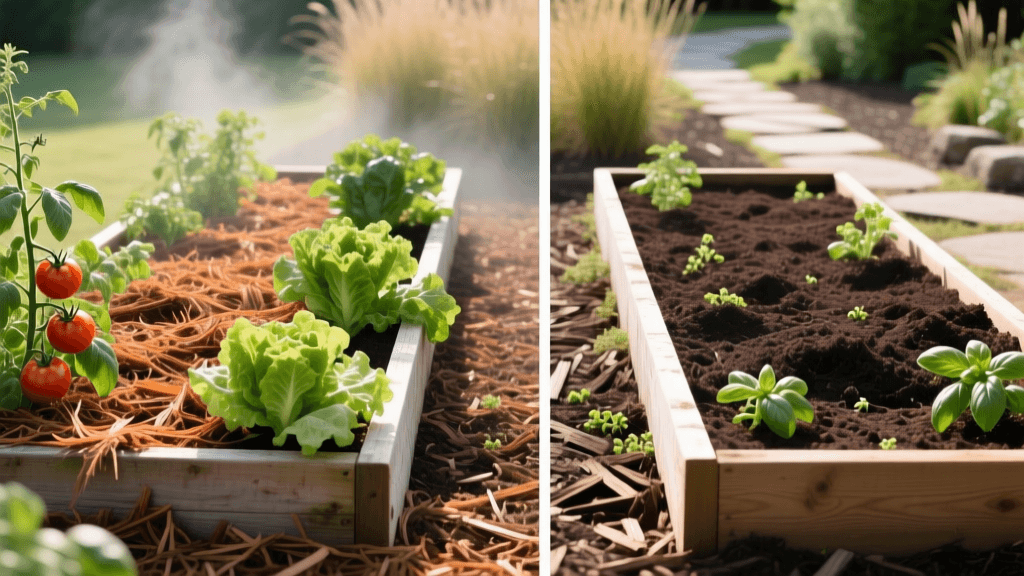
Cedar vs Hardwood Mulch for Raised Beds: 2026 Guide
Introduction to Raised Bed Border Mulching in 2026
As we navigate the 2026 growing season, raised bed vegetable gardening continues to dominate home landscaping. Whether you are growing heirloom tomatoes, crisp bell peppers, or leafy greens, the health of your crops depends heavily on the environment immediately surrounding your beds. One of the most critical, yet frequently debated, decisions for home gardeners is selecting the right mulch for lawn bed borders. The perimeter of your raised beds acts as a transitional zone between your manicured lawn and your intensive vegetable garden. Choosing between cedar mulch and hardwood mulch for these borders impacts moisture retention, weed suppression, pest management, and long-term soil health.
In 2026, sustainable gardening practices and cost-efficiency are top priorities for homeowners. With supply chain stabilizations and new eco-friendly forestry certifications, the mulch market has evolved. This comprehensive guide breaks down the pros, cons, and scientific realities of using cedar versus hardwood mulch around your raised vegetable beds, helping you make an informed decision for your garden this year.
Cedar Mulch for Raised Bed Borders: Pros and Cons
Cedar mulch, typically sourced from Western Red or Eastern White Cedar, is a premium organic mulch known for its distinct aroma, rich color, and natural durability. When applied to the lawn borders surrounding raised vegetable beds, it offers several unique advantages.
The Benefits of Cedar Mulch
- Natural Pest Repellent: Cedar contains natural oils and a compound called thujone, which acts as a mild deterrent to common garden pests. In 2026, organic pest control is more vital than ever as gardeners move away from synthetic chemical barriers. Cedar borders can help discourage ants, certain beetles, and even slugs from migrating from the lawn into your raised beds.
- Exceptional Rot Resistance: Because cedar decomposes very slowly, it can last two to three seasons before requiring a top-up. This makes it highly cost-effective over time, despite a higher upfront price.
- Aesthetic Appeal: Cedar mulch maintains its rich, reddish-brown hue longer than most hardwoods, providing a striking visual contrast against the green lawn and the soil of your raised beds.
The Drawbacks of Cedar Mulch
- Higher Initial Cost: As of early 2026, premium cedar mulch averages around $6.50 to $7.50 per 2-cubic-foot bag, making it nearly double the price of standard hardwood.
- Slow Soil Enrichment: Because it breaks down so slowly, cedar does not rapidly add organic matter to the soil. If your primary goal for the bed border is to feed the surrounding soil microbiome, cedar is not the fastest route.
- Allelopathy Concerns: Fresh cedar mulch can temporarily inhibit seed germination due to natural compounds. While this is excellent for weed suppression in established borders, it should not be worked directly into the soil where you plan to direct-sow carrot or radish seeds.
Hardwood Mulch for Raised Bed Borders: Pros and Cons
Hardwood mulch, usually made from shredded bark and wood chips of oak, hickory, or maple, is the workhorse of the landscaping world. It is widely available, often sourced from local arborists or municipal recycling programs, making it a staple for large-scale garden borders.
The Benefits of Hardwood Mulch
- Superior Soil Enrichment: According to the Royal Horticultural Society (RHS), organic mulches that break down moderately fast are excellent for feeding soil biology. As hardwood decomposes, it adds valuable humus to the lawn border, improving soil structure and water infiltration over time.
- Affordability: In 2026, natural shredded hardwood mulch remains highly budget-friendly, averaging $3.50 to $4.25 per 2-cubic-foot bag. Bulk deliveries from local suppliers can drive the cost down even further.
- Moisture Retention: Hardwood shreds tend to mat together slightly, creating an excellent seal over the soil that drastically reduces evaporation during the peak heat of July and August.
The Drawbacks of Hardwood Mulch
- Nitrogen Tie-Up: As hardwood breaks down, the fungi and bacteria responsible for decomposition consume nitrogen from the top layer of the soil. While this primarily affects the soil-mulch interface, it can rob shallow-rooted border plants of vital nutrients if not supplemented with a nitrogen-rich fertilizer.
- Artillery Fungus: Hardwood mulch is notorious for harboring artillery fungus (Sphaerobolus stellatus), which shoots sticky, tar-like spores onto nearby surfaces. If your raised beds are near a white fence or the siding of your home, hardwood mulch can become a messy liability.
- Frequent Replenishment: Hardwood decomposes within a single growing season, meaning you will need to purchase and apply new mulch every spring.
Head-to-Head Comparison: Cedar vs. Hardwood
To help you visualize how these two materials stack up for raised bed vegetable borders, review the 2026 comparison data below:
| Feature | Cedar Mulch | Hardwood Mulch |
|---|---|---|
| 2026 Avg. Cost (per 2 cu ft) | $6.50 - $7.50 | $3.50 - $4.25 |
| Lifespan | 2 to 3 Years | 1 Year |
| Pest Deterrence | High (Thujone oils) | Low (Can harbor slugs) |
| Soil Enrichment Speed | Very Slow | Moderate to Fast |
| Nitrogen Tie-Up Risk | Low | Moderate |
| Weed Suppression | Excellent | Good (when matted) |
| Best For | Long-term borders, pest control | Soil building, tight budgets |
Impact on Vegetable Gardening and Soil Health
When mulching the borders of a raised vegetable bed, the ultimate goal is to protect the crops inside the bed while maintaining a clean, manageable lawn outside. The Old Farmer's Almanac emphasizes that mulch acts as an insulator, keeping soil temperatures stable. For heat-loving vegetables like tomatoes and peppers planted near the edge of the raised bed, a stable border mulch prevents the outer soil layers from baking in the summer sun.
However, gardeners must be wary of dyed hardwood mulches. In 2026, many cheap hardwood mulches are still dyed with red or black carbon-based colorants. While modern dyes are generally considered safe for ornamental landscapes, it is a strict best practice in organic vegetable gardening to avoid dyed mulches near edible crops. Always opt for natural, undyed hardwood or natural cedar to ensure no heavy metals or chemical residues leach into your raised bed soil via runoff.
Lawn Border Maintenance and Encroachment
A major challenge in raised bed gardening is lawn grass encroachment. Aggressive grasses like Bermuda or Zoysia will readily invade the nutrient-rich soil of your vegetable beds. A thick, 3-inch layer of cedar mulch in the border trench is highly effective at smothering these grasses. Because cedar resists compaction and matting, it maintains a fluffy, dry surface that makes it difficult for grass rhizomes to establish a foothold.
Conversely, hardwood mulch can sometimes trap too much moisture against the wooden frames of your raised beds. If you are using untreated pine or standard cedar lumber for your bed walls, a matted layer of wet hardwood mulch pressed against the wood can accelerate the rotting of your bed frames. To prevent this, always employ the 'Donut Method': leave a 2-inch gap between the mulch and the physical wall of the raised bed to allow air circulation and prevent moisture-related wood decay.
Best Practices for Applying Mulch in 2026
Follow these actionable steps to prepare your raised bed borders this spring:
- Clear the Perimeter: Use a half-moon edger to cut a clean 6-inch trench around the exterior base of your raised beds. This prevents lawn grass from creeping under the mulch layer.
- Lay Down Cardboard: For ultimate weed suppression, lay down overlapping layers of plain, uncoated cardboard directly on the soil border. Wet the cardboard thoroughly to initiate decomposition.
- Apply the Mulch: Spread your chosen cedar or hardwood mulch over the cardboard to a depth of 2.5 to 3 inches. Do not exceed 3 inches, as overly thick mulch can block water penetration and create anaerobic conditions.
- Maintain the Gap: Ensure the mulch is pulled slightly away from the stems of any border plants and the wooden walls of the raised bed to prevent rot and pest harborage.
Final Verdict: Which Should You Choose?
The choice between cedar and hardwood mulch for your raised bed vegetable borders ultimately depends on your specific gardening goals and budget for the 2026 season. If you are dealing with heavy pest pressure, aggressive lawn grasses, and want a 'set it and forget it' border that looks pristine for years, cedar mulch is the undisputed champion. Its higher upfront cost is offset by its multi-year lifespan and natural pest-deterrent properties.
On the other hand, if you are managing a large property on a strict budget, or if your primary goal is to rapidly build up the organic matter in the soil surrounding your beds, natural hardwood mulch is the superior choice. Just be prepared to replenish it annually and monitor the edges of your raised beds for excess moisture. By selecting the right mulch, you ensure your raised bed vegetables thrive in a protected, nutrient-rich, and visually stunning environment.