Lawn Care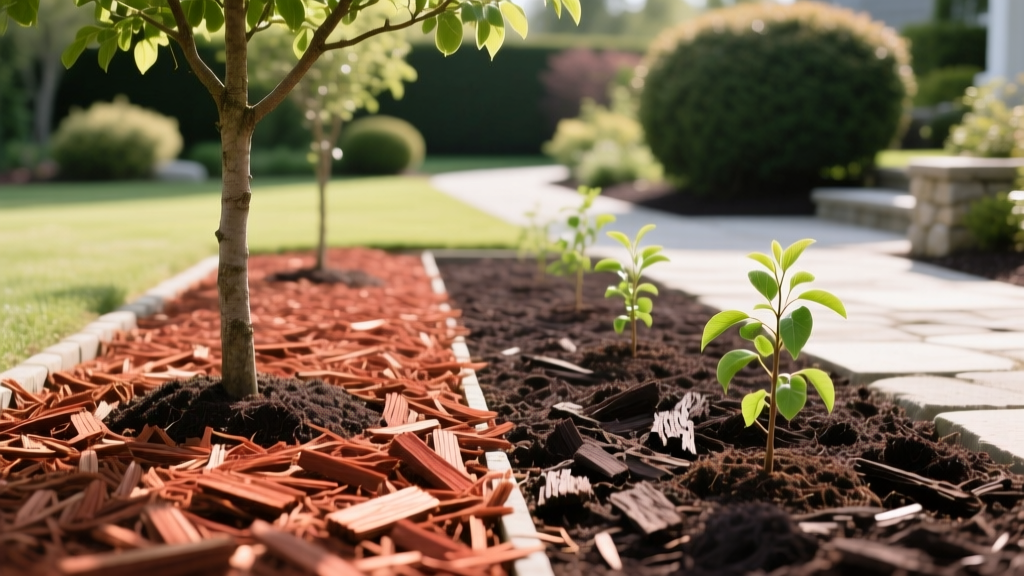
Cedar vs Hardwood Mulch for Tree Bed Borders: 2026 Guide
Anna KowalskiPublished
Introduction to 2026 Tree Bed Borders
As homeowners and landscape professionals plan their tree selection and planting strategies for the 2026 season, one critical decision often gets overlooked until the final step: the mulch used for lawn bed borders. When transitioning from a manicured turfgrass lawn to a newly planted tree or shrub bed, the border material dictates not only the aesthetic appeal but also the long-term health of the root zone. The two most popular choices—cedar mulch and shredded hardwood mulch—offer vastly different benefits and drawbacks. In this comprehensive guide, we break down cedar vs. hardwood mulch for tree bed borders, helping you make the best choice for your landscape.
The Critical Role of Mulch in Tree Selection and Planting
When integrating new trees into an existing lawn, creating a distinct bed border is non-negotiable. Turfgrass is highly aggressive and will compete fiercely with young trees for water, oxygen, and essential soil nutrients. By establishing a mulched tree bed, you eliminate this competition and create a safe zone for root expansion.
According to the Morton Arboretum, proper mulching mimics the natural forest floor, regulating soil temperature, retaining vital moisture, and suppressing competitive weeds. However, the type of mulch you choose for the border and the interior of the bed will influence how quickly the soil ecosystem develops around your new tree's root ball. Understanding the biological and physical differences between cedar and hardwood is essential for optimal tree establishment in 2026.
Cedar Mulch: The Long-Lasting Protector
Cedar mulch is harvested from cedar trees, primarily Eastern Red Cedar and Western Red Cedar. It is renowned for its rich, reddish-brown hue and its distinct, pleasant aroma, which is derived from natural oils like thujone.
Pros of Cedar Mulch
- Insect Repellent: The natural oils in cedar act as a mild deterrent to common landscape pests, including termites, carpenter ants, and certain beetles, protecting the base of your newly planted trees.
- Slow Decay Rate: Cedar is highly resistant to rot. A single application can last two to three years before needing a top-up, making it a low-maintenance option for busy homeowners.
- Color Retention: Cedar holds its vibrant color longer than hardwood, which tends to fade to a washed-out gray within a single season of UV exposure.
- Fungal Resistance: It is less prone to harboring nuisance fungi compared to hardwood varieties.
Cons of Cedar Mulch
- Higher Upfront Cost: Cedar is significantly more expensive due to the specific harvesting requirements and slower growth rates of cedar trees.
- Slow Nutrient Contribution: Because it breaks down so slowly, cedar does not quickly add organic matter or humus to the soil, which can delay the enrichment of the tree's root zone.
- Allelopathic Concerns: Fresh cedar mulch can sometimes inhibit the growth of very young, shallow-rooted border plants due to natural allelopathic chemicals, though this is rarely an issue for established, deep-rooted trees.
Hardwood Mulch: The Soil Builder
Shredded hardwood mulch is typically a byproduct of the timber and landscaping industries, made from deciduous trees like oak, maple, hickory, and ash. It is the most widely used mulch in North America due to its availability and soil-enhancing properties.
Pros of Hardwood Mulch
- Rapid Decomposition: Hardwood breaks down relatively quickly, feeding the soil food web and adding valuable organic matter to the tree's root zone within a single season.
- Cost-Effective: It is generally much cheaper than cedar, making it ideal for large-scale tree planting projects or expansive estate borders.
- Moisture Retention: The shredded, interlocking texture of hardwood mulch creates a dense mat that excels at trapping soil moisture and reducing evaporation during peak summer heat.
Cons of Hardwood Mulch
- Artillery Fungus: Hardwood mulch is notorious for harboring artillery fungus (Sphaerobolus stellatus), which shoots tar-like spores onto nearby siding, vehicles, and patio furniture. The Penn State Extension notes that this fungus thrives on the decaying wood cellulose found in hardwood mulch.
- Matting and Hydrophobia: As hardwood decomposes, it can form a thick, matted layer that becomes hydrophobic (water-repellent), preventing rainfall and irrigation from reaching the tree roots below.
- Annual Replenishment: Because it decomposes rapidly, hardwood mulch requires an annual top-dressing to maintain the necessary 2-to-3-inch depth for proper weed suppression and insulation.
Head-to-Head Comparison Chart
| Feature | Cedar Mulch | Shredded Hardwood Mulch |
|---|---|---|
| Average 2026 Cost (per cu. yd.) | $65 - $85 | $35 - $45 |
| Decay Rate | Slow (2-3 years) | Fast (1 year) |
| Soil Nutrient Contribution | Low | High |
| Pest & Fungal Resistance | Excellent | Poor (prone to artillery fungus) |
| Best Use Case | Permanent borders, pest-prone areas | Soil building, large-scale planting beds |
The Nitrogen Tie-Up Myth and Soil Biology
A persistent myth in lawn care is that wood mulches "steal" nitrogen from the soil, starving newly planted trees. According to the University of Minnesota Extension, nitrogen tie-up only occurs at the very surface interface where the mulch meets the soil, as microbes consume nitrogen to break down the carbon-rich wood. Because tree roots are located deeper in the soil profile, they are entirely unaffected by this surface-level microbial activity.
However, if you are planting shallow-rooted companion shrubs or groundcovers along the tree bed border, you may need to apply a light, balanced 2026 fertilizer to the soil surface before laying down hardwood mulch to offset this temporary nitrogen demand. Cedar mulch, due to its slow decay, causes virtually no nitrogen tie-up, making it a safer bet for nutrient-sensitive border plantings.
2026 Pricing and Sustainable Sourcing Trends
As of the 2026 planting season, supply chain stabilizations have kept mulch prices relatively steady, though regional variations persist. Shredded hardwood averages $35 to $45 per cubic yard, while premium cedar ranges from $65 to $85 per cubic yard.
Sustainability is a major focus in 2026. When sourcing hardwood mulch, look for suppliers who utilize local arborist woodchips or timber byproducts rather than clear-cutting forests. For cedar, seek out Forest Stewardship Council (FSC) certified suppliers to ensure the wood is harvested from responsibly managed cedar forests. Using locally sourced mulch not only supports the local economy but also drastically reduces the carbon footprint associated with transporting heavy, water-laden organic materials across state lines.
Step-by-Step Application Guide for Tree Borders
Regardless of whether you choose cedar or hardwood, proper application is vital for tree health. Follow these steps to establish a perfect tree bed border:
- Edge the Border: Use a half-moon edger or mechanical edger to cut a clean, 4-inch deep trench separating the lawn from the tree bed. This prevents turfgrass rhizomes from invading the bed and keeps the mulch from spilling onto the lawn.
- Calculate Volume: Measure the length and width of the bed in feet, multiply by the desired depth (0.25 feet for 3 inches), and divide by 27 to determine the cubic yards needed.
- Prepare the Soil: Remove existing weeds and apply a 1-inch layer of compost to the soil surface to kickstart microbial activity.
- Apply the "Donut" Method: Spread your chosen mulch to a depth of 2 to 3 inches. Crucial: Keep the mulch at least 3 to 4 inches away from the actual trunk of the tree. Piling mulch against the bark (often called a "mulch volcano") traps moisture against the trunk, leading to rot, girdling roots, and severe disease.
- Rake and Maintain: Lightly rake the mulch to ensure an even distribution. If using hardwood, plan to fluff the mulch mid-summer to prevent matting and hydrophobia.
Final Verdict for Your Landscape
The choice between cedar and hardwood mulch for tree bed borders ultimately depends on your landscape goals and maintenance preferences. If you prioritize a pristine, long-lasting aesthetic, want to deter wood-boring insects, and prefer to minimize annual maintenance, cedar mulch is the superior investment. Conversely, if your primary goal is to rapidly build soil organic matter, support a robust mycorrhizal fungal network for your newly planted trees, and keep initial project costs low, shredded hardwood mulch remains the undisputed champion of the landscape industry.
By understanding the unique properties of both materials, you can create thriving, beautiful tree bed borders that protect your investment and enhance your property's curb appeal throughout 2026 and beyond.