Lawn Care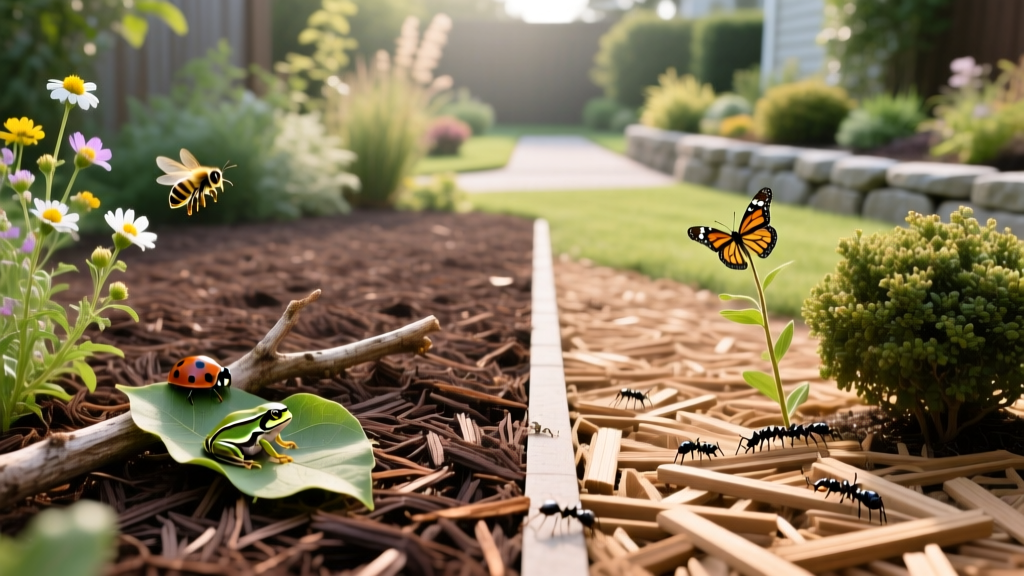
Cedar vs Hardwood Mulch: Wildlife-Friendly Borders in 2026
Lisa ThompsonPublished
The Ecological Role of Mulch in Modern Landscaping
As homeowners increasingly embrace ecological landscaping in 2026, the humble lawn bed border has evolved from a simple weed barrier into a critical micro-habitat. When designing a yard that balances pristine lawn care with wildlife management, the choice between cedar mulch and shredded hardwood mulch is no longer just about aesthetics or moisture retention. It is a decision that directly impacts the local soil food web, pollinator populations, and the behavior of both beneficial and nuisance yard animals. According to the National Wildlife Federation, the materials we place on top of our soil dictate which insects, amphibians, and small mammals will take up residence in our gardens. Understanding the biological differences between cedar and hardwood mulch is essential for any homeowner looking to cultivate a thriving, balanced ecosystem right outside their back door.
Cedar Mulch: The Aromatic Pest Deterrent
Cedar mulch, typically sourced from Eastern Red Cedar or Western Red Cedar, is renowned for its rich color and distinct aromatic profile. This scent is not merely pleasing to humans; it is the result of natural volatile oils, primarily thujone and plicatic acid, which act as powerful biological deterrents. From a wildlife management perspective, cedar mulch is an excellent tool for creating defensive borders around the home's foundation and delicate garden beds.
The natural oils in cedar actively repel a variety of nuisance insects, including carpenter ants, termites, and certain species of moths. For homeowners struggling with insect invasions migrating from yard debris into the home, a thick border of cedar mulch serves as an effective, chemical-free buffer. Furthermore, cedar decomposes very slowly. A high-quality cedar border can last two to three years before requiring a top-dress, making it a cost-effective option despite its higher upfront price in the 2026 market.
However, this same insect-repelling quality is a double-edged sword for local wildlife. The antimicrobial and insecticidal properties of cedar can inhibit the growth of beneficial soil fungi and deter predatory ground beetles, which are vital for controlling slug and caterpillar populations. Additionally, the dense, interlocking nature of shredded cedar can form a mat that is difficult for ground-nesting native bees to penetrate, potentially disrupting their life cycles if applied too thickly.
Hardwood Mulch: The Soil Food Web Engine
Shredded hardwood mulch, often derived from local arborist chips or processed oak and maple bark, represents the opposite end of the ecological spectrum. Unlike cedar, hardwood mulch is designed to break down relatively quickly, usually within a single growing season. As it decomposes, it feeds a complex underground network of detritivores, bacteria, and mycorrhizal fungi.
From a wildlife perspective, hardwood mulch is a biological engine. As noted by Penn State Extension, the decomposition of organic hardwood matter enriches the soil with vital nutrients and creates a hospitable environment for earthworms and beneficial nematodes. This abundance of invertebrate life, in turn, attracts higher-level wildlife. American toads, ground-foraging birds like robins and thrushes, and beneficial amphibians rely on the rich hunting grounds provided by decomposing hardwood beds.
The drawbacks of hardwood mulch are primarily related to moisture retention and pest harborage. Because it holds moisture exceptionally well and breaks down into a soft substrate, it can become a haven for slugs, pillbugs, and earwigs. More concerningly for lawn care enthusiasts, thick layers of hardwood mulch provide ideal overwintering cover for rodents, particularly meadow voles and deer mice, which can cause severe damage to the roots and bark of ornamental trees and shrubs.
2026 Wildlife Impact Comparison Chart
To help you make an informed decision for your specific yard ecology, we have compiled a comparison of how these two materials interact with local wildlife and soil health in 2026.
| Ecological Feature | Cedar Mulch | Hardwood Mulch |
|---|---|---|
| Decomposition Rate | Slow (2-3 years) | Fast (6-12 months) |
| Soil Food Web Impact | Low (inhibits fungi/bacteria) | High (feeds detritivores) |
| Ground-Nesting Bees | Poor (oils repel, mats easily) | Moderate (easier to penetrate) |
| Rodent (Vole) Harbor | Low (scent deters nesting) | High (provides warm cover) |
| Slug & Snail Habitat | Low (dry and aromatic) | High (retains moisture) |
| Beneficial Predator Support | Low (deters ground beetles) | High (supports toads & spiders) |
Managing Ground-Nesting Pollinators
Approximately 70% of native bee species are ground-nesters, requiring access to bare or easily penetrable soil to lay their eggs. When applying either cedar or hardwood mulch in 2026, it is critical to avoid the 'wall-to-wall' mulching approach. Leave 10% to 15% of your bed borders completely bare, particularly in sunny, well-draining south-facing slopes. If you must use mulch near these zones, opt for a coarse, large-nugget hardwood rather than finely shredded cedar, as the larger gaps allow bees to navigate through the material to reach the soil.
Controlling Voles and Rodent Activity
Voles are notorious for using thick mulch layers as hidden highways to travel across your yard, safely shielded from aerial predators like hawks and owls. They frequently girdle the bases of young trees and chew through the roots of expensive perennials. To mitigate this, practice the 'donut method' rather than the 'volcano method' when mulching around trees. Keep all mulch—especially moisture-retaining hardwood—at least six inches away from the base of tree trunks. If vole pressure in your area is severe, cedar mulch is the superior choice for bed borders, as its strong aroma naturally discourages rodents from tunneling through it. For comprehensive pest strategies, integrating physical barriers and habitat modification aligns with EPA Integrated Pest Management (IPM) principles, which emphasize long-term prevention over reactive chemical treatments.
Encouraging Beneficial Predators
If your primary goal is to foster a habitat for natural pest controllers, hardwood mulch is the clear winner. Ground beetles, wolf spiders, and toads require the damp, decomposing environment that hardwood provides to thrive. These predators are essential for keeping populations of destructive pests, such as Japanese beetle grubs and cutworms, in check. To maximize this benefit, apply a 2-to-3-inch layer of aged hardwood mulch in shaded perennial borders, ensuring it makes direct contact with the soil to encourage mycelial networks to form.
Sustainable Sourcing and 2026 Market Trends
As environmental awareness peaks in 2026, the sourcing of your mulch is just as important as its ecological function. The over-harvesting of Cypress trees for mulch has devastated critical wetland habitats in the American South, leading many eco-conscious landscapers to boycott cypress products entirely. When purchasing cedar, look for Forest Stewardship Council (FSC) certifications or locally sourced Eastern Red Cedar, which is often considered an invasive encroacher on native prairies and pastures. By utilizing locally harvested cedar, you are simultaneously managing invasive species and protecting your yard from pests.
Hardwood mulch is generally the more sustainable and budget-friendly option, often produced as a byproduct of local tree care and storm debris management. In 2026, the average cost for premium shredded hardwood hovers around $30 to $38 per cubic yard, while sustainably sourced cedar commands a premium of $45 to $60 per cubic yard. Many municipalities now offer free, composted hardwood mulch to residents, though it is vital to ensure it has been properly aged and heated to eliminate any potential weed seeds or harmful pathogens before introducing it to your carefully managed wildlife borders.
Final Verdict for Wildlife Management
There is no single 'best' mulch for every square foot of your property; the secret to elite lawn care and wildlife management in 2026 is strategic zoning. Use cedar mulch in high-traffic areas, directly against the home's foundation to deter ants and termites, and around the bases of vulnerable young shrubs to discourage voles. Conversely, deploy hardwood mulch in deep perennial beds, shaded woodland gardens, and outer yard borders where fostering a rich soil food web and supporting amphibians and ground-foraging birds is the priority. By matching the biological properties of the mulch to the specific ecological goals of each garden zone, you create a dynamic, resilient landscape that naturally manages pests while welcoming the wildlife that makes your yard truly thrive.