Tree Care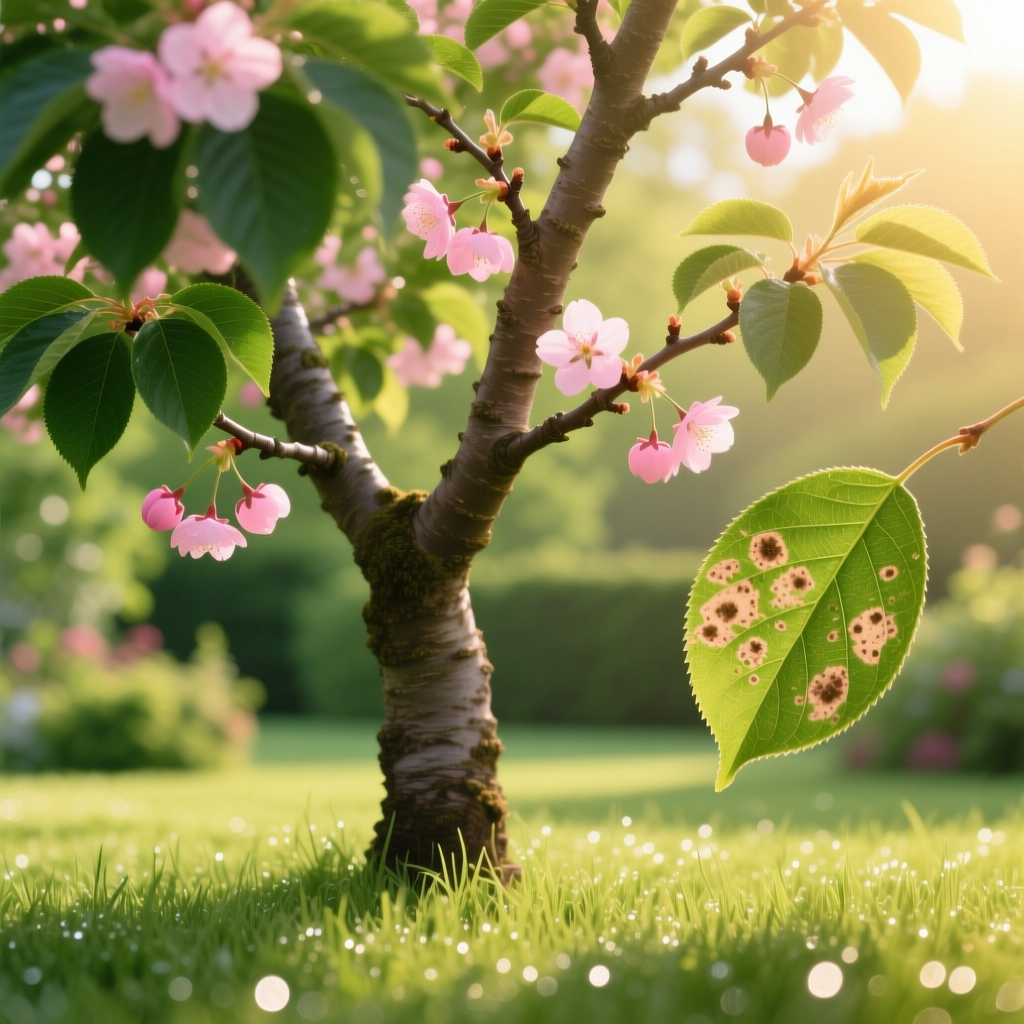
The Ultimate Guide to Cherry Tree Maintenance: Care,
Cherry trees are a magnificent addition to any landscape, offering breathtaking spring blossoms, lush summer foliage, & delicious, jewel-toned fruit. Whether you are cultivating sweet cherries (Prunus avium) for fresh snacking or sour cherries (Prunus cerasus) for baking & preserves, achieving a bountiful harvest requires dedication, knowledge, & consistent upkeep. Unlike some low-maintenance shade trees, fruit-bearing cherry trees demand a proactive approach to orchard management. From establishing the right soil conditions to executing precise pruning cuts, every aspect of cherry tree maintenance plays a critical role in the longevity & productivity of your tree.
In this comprehensive guide, we will explore the essential practices required to keep your cherry trees thriving. We will cover foundational care requirements, the art & science of pruning, strategies for identifying & managing common diseases, & a seasonal checklist to ensure year-round health. For more general advice on maintaining a beautiful yard, be sure to explore our tree care hub & our extensive lawn care archives.
Essential Care Requirements for Cherry Trees
The foundation of a healthy, fruit-bearing cherry tree lies in its environment. Cherry trees are notoriously sensitive to their surroundings, particularly regarding soil drainage & moisture levels. Understanding & optimizing these foundational elements is the first step in successful cherry tree maintenance.
Soil Conditions & Preparation
Cherry trees thrive in well-draining, loamy soil with a slightly acidic pH ranging from 6.0 to 6.8. Poorly draining soils, such as heavy clay, are a death sentence for cherry trees because they are highly susceptible to root rot (Phytophthora). If your landscape has heavy clay or compacted soil, it is crucial to amend it before planting. Incorporating organic compost & considering raised beds or berms can drastically improve drainage. For a deeper dive into understanding your yard's composition, check out our guide on soil testing and amendments.
When planting a new cherry tree, always ensure the graft union (the swollen bump near the base of the trunk where the fruiting variety is joined to the rootstock) remains at least two to three inches above the soil line. Burying the graft union can cause the scion to develop its own roots, negating the dwarfing or disease-resistant properties of the rootstock.
Watering Techniques
Consistent moisture is vital, especially during the first few years of establishment & during the fruit-setting stage in late spring. Cherry trees generally require about one to two inches of water per week, either from rainfall or supplemental irrigation. However, the key is deep, infrequent watering rather than shallow, daily sprinklings. Deep watering encourages the root system to grow downward, making the tree more drought-tolerant & resilient.
Utilizing a soaker hose or a drip irrigation system is the most efficient method, as it delivers water directly to the root zone while keeping the foliage dry, which helps prevent fungal diseases. To learn more about efficient irrigation setups that benefit both your grass & your trees, read our article on watering your landscape.
Mulching & Fertilizing
Applying a two- to three-inch layer of organic mulch around the base of the tree helps retain soil moisture, regulate soil temperature, & suppress weed competition. However, you must avoid 'volcano mulching.' Always keep the mulch at least three to four inches away from the trunk itself to prevent bark rot & deter rodent habitation. Our guide on mulching basics provides excellent visual examples of proper mulch application.
Regarding nutrition, cherry trees are not heavy feeders. Over-fertilizing, particularly with high-nitrogen formulas, will result in excessive vegetative growth at the expense of fruit production & will make the tree more vulnerable to pests like aphids. A balanced, slow-release fertilizer applied in early spring is usually sufficient. If your soil is already rich in organic matter, you may only need to top-dress with compost annually. For organic feeding strategies, consult our organic fertilizer guide.
The Art of Pruning Cherry Trees
Pruning is arguably the most misunderstood aspect of cherry tree maintenance. Proper pruning dictates the tree's structure, maximizes sunlight penetration, improves airflow to reduce fungal pressure, & stimulates the growth of fruiting wood. The approach you take will depend largely on whether you are growing sweet or sour cherries.
Tree Architecture: Central Leader vs. Open Center
Sweet cherry trees are vigorous & tend to grow tall. They are traditionally trained to a modified central leader system, where a single main trunk is maintained, & lateral branches are spaced out in a spiral or whorled pattern. This strong central axis supports the heavy wood & fruit loads typical of sweet varieties.
Sour (tart) cherry trees, which are naturally smaller & more shrub-like, are best trained to an open-center (vase) system. This involves cutting the central leader shortly after planting to encourage three to four main scaffold branches to grow outward & upward, creating a bowl shape. This open center allows maximum sunlight to reach the inner canopy, which is essential for fruit ripening & disease prevention. The principles of shaping fruit trees are similar across species; you can compare these techniques with those in our apple tree pruning guide.
Pruning Techniques & Timing
When making cuts, always use sharp, sterilized bypass pruners or loppers. Sterilize your blades with rubbing alcohol between trees to prevent the spread of pathogens. Focus on removing the 'Three Ds': Dead, Damaged, & Diseased wood. Next, remove any branches that cross or rub against one another, as well as water sprouts (vigorous, vertical shoots) & suckers (shoots emerging from the rootstock below the soil line).
Unlike apples or pears, cherry trees are highly susceptible to fungal & bacterial infections if pruned during the cold, damp winter months. Therefore, the best time for major structural pruning of sweet cherries is in late summer, after the harvest, when the tree is still actively growing & can quickly compartmentalize & heal the wounds. Sour cherries can be pruned in late winter while dormant, but many orchardists still prefer early spring just as the buds begin to swell to minimize the risk of bacterial canker.
Identifying & Managing Common Cherry Tree Diseases & Pests
Vigilance is a cornerstone of cherry tree maintenance. Cherry trees are magnets for a variety of fungal pathogens & insects. Catching these issues early & employing integrated pest management (IPM) strategies can save your crop & your tree. For a broader look at landscape pathogens, review our resource on common tree diseases.
Fungal & Bacterial Diseases
- Brown Rot (Monilinia fructicola): This devastating fungal disease attacks blossoms, twigs, & ripening fruit. Infected fruit develops brown, mushy spots & eventually becomes covered in grayish-brown spores, turning into hardened 'mummies' that cling to the branches. Management: Remove & destroy all fruit mummies during winter pruning. Apply preventative organic copper or sulfur-based fungicides during the pink bud stage & just before harvest.
- Cherry Leaf Spot (Blumeriella jaapii): Primarily affecting sour cherries, this fungus causes small purple spots on leaves that eventually turn yellow & drop prematurely. Severe defoliation weakens the tree & reduces winter hardiness. Management: Rake & destroy fallen leaves in autumn. Apply fungicides starting at petal fall & continuing on a regular schedule through early summer.
- Bacterial Canker (Pseudomonas syringae): This disease causes sunken, oozing lesions on branches & trunks (gummosis), often leading to branch dieback. It is most active in cool, wet spring weather. Management: Avoid winter pruning. Paint the lower trunk with white latex paint to prevent sunscald, which creates entry points for the bacteria. Copper sprays applied in autumn at leaf drop can help reduce bacterial populations.
Common Insect Pests
- Black Cherry Aphids: These large, shiny black insects cluster on the undersides of leaves & shoot tips, sucking sap & excreting sticky honeydew that promotes sooty mold. Management: Encourage natural predators like ladybugs & lacewings. For severe infestations, apply horticultural oil or insecticidal soap in the early morning.
- Peachtree Borer: The larvae of this moth tunnel into the trunk near the soil line, causing sap to ooze mixed with sawdust-like frass. This can girdle & kill young trees. Management: Keep the base of the tree clear of weeds & mulch to allow the sun to bake the soil surface, deterring egg-laying females. Apply beneficial nematodes to the soil in late summer to target the larvae.
- Cherry Fruit Fly: These flies lay eggs just under the skin of ripening fruit. The resulting maggots tunnel through the flesh, ruining the crop. Management: Hang yellow sticky traps in the canopy to monitor adult emergence. Apply targeted organic sprays like Spinosad when flies are detected, but never spray while the tree is in bloom to protect pollinators.
Seasonal Maintenance Tips for Year-Round Health
Successful cherry tree maintenance is not a one-time event; it is a cyclical process that changes with the seasons. Following a seasonal checklist ensures you never miss a critical window for care.
Spring: Awakening & Protection
As the tree breaks dormancy, your primary focus should be on pest monitoring & frost protection. Apply a dormant horticultural oil spray just before the buds open to smother overwintering aphid eggs & scale insects. If a late spring frost is forecast while the tree is in full bloom, cover smaller trees with frost blankets or use overhead sprinklers (the freezing water actually releases latent heat, protecting the delicate blossoms). Ensure your irrigation system is turned on & functioning as the tree pushes new growth.
Summer: Thinning & Vigor Control
Summer is the season of active growth & fruit development. If your sweet cherry tree sets an overly heavy crop, thin the fruit clusters so that individual cherries are spaced about two inches apart. This prevents branches from breaking under the weight & ensures the remaining fruit grows to a premium size. Summer is also the ideal time to perform structural pruning on sweet cherries, as well as to install bird netting before the fruit begins to change color.
Autumn: Sanitation & Preparation
Once the harvest is complete & the leaves begin to turn, orchard sanitation becomes your top priority. Rake up all fallen leaves, twigs, & rotting fruit, & remove them from the property to break the life cycles of brown rot & cherry leaf spot. Apply a protective copper fungicide spray as the leaves are falling to seal leaf scars against bacterial canker. Deeply water the tree in late autumn before the ground freezes to ensure the roots are fully hydrated for the winter.
Winter: Dormancy & Protection
While the tree is dormant, inspect the trunk for signs of rodent damage or winter sunscald. Installing a plastic or wire mesh tree guard around the lower trunk will protect the bark from hungry voles & rabbits. This is also the time to sharpen & oil your pruning tools, review your orchard journal, & order any necessary organic amendments or bare-root pollinator trees for spring planting.
Frequently Asked Questions (FAQ)
How long does it take for a cherry tree to bear fruit?
Patience is a virtue when it comes to fruit trees. Standard-sized sweet & sour cherry trees typically take three to five years after planting to produce a meaningful harvest. Dwarf varieties, which are grafted onto size-controlling rootstocks like the Gisela series, can begin bearing fruit in as little as two to three years. During the first few years, it is best to pinch off any blossoms that appear; this forces the tree to direct its energy into establishing a robust root system & strong scaffold branches rather than premature fruit production.
Do I need two cherry trees to produce fruit?
The answer depends entirely on the type of cherry you are growing. Most sour (tart) cherry varieties are self-fertile, meaning a single tree will produce a full crop on its own. However, the vast majority of sweet cherry varieties are self-sterile & require cross-pollination from a different, compatible sweet cherry variety that blooms at the same time. For example, a 'Bing' cherry tree will need a 'Rainier' or 'Black Tartarian' nearby to set fruit. Fortunately, there are a few self-fertile sweet cherry exceptions, such as 'Stella' & 'Lapins', which are excellent choices for smaller yards where space is limited.
Why is my cherry tree dropping its fruit prematurely?
Premature fruit drop, often occurring in early summer, can be caused by several environmental stressors. The most common culprit is inconsistent watering; a sudden drought or waterlogged soil will cause the tree to abort its crop to preserve its own life. Poor pollination is another factor; if the blossoms were not adequately pollinated by bees, the tree will drop the undeveloped fruit. Additionally, a natural phenomenon known as 'June drop' occurs when the tree intentionally sheds excess fruit that it does not have the energy reserves to support. Ensuring consistent moisture, planting pollinator-friendly flowers nearby, & maintaining overall tree health will minimize unnatural fruit drop.
How do I protect my cherry tree from birds?
Birds are notoriously fond of cherries & can strip a mature tree of its entire crop in a matter of hours just as the fruit ripens. The only truly effective method of protection is physical exclusion using bird netting. Drape the netting over the entire canopy, ensuring the bottom is securely tied around the trunk so birds cannot fly up from underneath. Visual deterrents like reflective tape, scare balloons, & fake owls may work for a few days, but birds quickly realize they pose no real threat. Investing in high-quality, UV-resistant netting is a non-negotiable aspect of cherry tree maintenance for edible harvests.
Can I grow a cherry tree from a store-bought pit?
While it is biologically possible to germinate a cherry pit from grocery store fruit, it is highly discouraged for anyone seeking a productive fruit tree. First, commercial cherries are often treated with cold-storage inhibitors that prevent germination. Second, cherry trees do not grow 'true to seed.' The tree that sprouts from a pit will be a genetic hybrid of its parent trees & will likely produce small, bitter, or inferior fruit compared to the cherry you ate. Finally, it can take up to a decade for a seed-grown tree to bear fruit. For reliable, delicious harvests, always purchase grafted bare-root or potted trees from a reputable nursery.
Mastering cherry tree maintenance is a rewarding endeavor that blends horticultural science with the simple joys of gardening. By providing the right soil conditions, executing timely pruning, staying vigilant against diseases, & following a seasonal care routine, your cherry trees will grace your landscape with stunning beauty & abundant harvests for decades to come.