Pest Control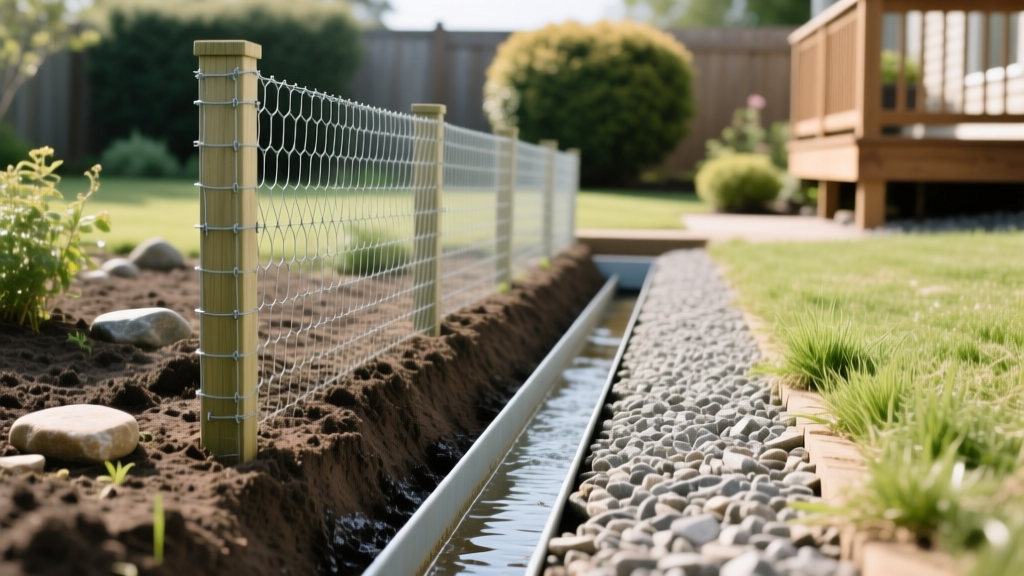
2-Foot Rabbit Fence & French Drain Trenching Guide 2026
Robert HayesPublished
The Intersection of Water Management and Pest Control
As a professional French drain installation contractor, I spend my days evaluating soil gradients, managing hydrostatic pressure, and digging miles of trenches to protect landscapes from water damage. However, over the years, I have noticed a recurring secondary issue in yards with poor drainage: severe burrowing pest infestations. Specifically, cottontail and jackrabbit populations thrive in the soft, moist soil created by improper runoff. In 2026, the most efficient landscaping strategy I recommend to my clients is a dual-purpose excavation project: integrating a subsurface French drain with a 2-foot chicken wire rabbit exclusion fence. By aligning your perimeter drainage trench with your pest control barrier, you eliminate the need to dig the same soil twice, saving thousands of dollars in labor while securing your garden against both standing water and destructive lagomorphs.
Why Rabbits Target Poorly Drained Yards
Rabbits are not rodents; they are lagomorphs with specific burrowing and foraging behaviors. They actively seek out soft, loamy, or consistently moist soil near garden edges because it requires significantly less caloric energy to excavate for shelter and nesting. When a yard lacks proper subsurface drainage, the topsoil remains saturated and easily penetrable. According to wildlife management experts at Penn State Extension, rabbits can cause devastating damage to ornamental plants, young trees, and vegetable gardens, especially during the early spring and late autumn when alternative food sources are scarce. By installing a French drain, you dry out the soil profile, making it naturally less attractive for burrowing. Simultaneously, by embedding a physical exclusion barrier into that same trench, you create an impenetrable perimeter that addresses the root cause of the habitat appeal while physically blocking entry.
Materials Required for the 2026 Dual-Installation
To execute this combined drainage and pest control project, you must source materials that can withstand subterranean moisture and aggressive digging. Here is the 2026 contractor-grade shopping list:
- Exclusion Wire: 19-gauge or 20-gauge galvanized hex netting (chicken wire) with a maximum 1-inch mesh. Do not use larger meshes, as young rabbits can squeeze through. Ensure it is hot-dipped galvanized to resist rust in the damp trench environment.
- Drainage Pipe: 4-inch SDR 35 PVC or heavy-duty corrugated perforated pipe. PVC is preferred in 2026 for its superior crush resistance and smoother interior, which prevents silt buildup.
- Aggregate: Washed #57 gravel (roughly 3/4-inch). Avoid pea gravel, as it does not lock together and can be easily displaced by burrowing animals.
- Geotextile Fabric: Non-woven landscape fabric to wrap the gravel and prevent soil infiltration.
- Fasteners and Posts: 6-foot galvanized steel T-posts and heavy-duty UV-resistant zip ties or hog rings.
Step-by-Step Trenching and Exclusion Guide
Step 1: Mapping the Dual-Purpose Trench
The key to this integrated approach is trench placement. Map your French drain route so that it runs directly along the perimeter of the garden or property line you wish to protect from rabbits. The trench should be planned to maintain a minimum slope of 1% (1 inch of drop per 8 feet of run) to ensure proper water evacuation to a daylight exit or dry well. Mark the trench line with landscaping paint, ensuring it forms a continuous loop or terminates at a natural barrier that rabbits cannot bypass.
Step 2: Digging and Preparing the Base
Excavate a trench that is 12 inches wide and 18 inches deep. This depth accommodates the 4-inch drain pipe, a 4-inch gravel base, and enough cover to protect the pipe. However, for the rabbit exclusion component, you must also carve out an 'L-footer' shelf. On the side of the trench facing the outside of the protected area, dig a horizontal shelf 12 inches wide and 6 inches deep, starting from the bottom of the main trench. This shelf is where the wire apron will lay, creating an underground overhang that completely foils a rabbit's instinct to dig straight down at the fence line.
Step 3: Laying the French Drain and Wire Apron
Line the entire trench and the L-footer shelf with non-woven geotextile fabric. Add a 4-inch base layer of washed #57 gravel. Next, unroll your 3-foot wide roll of 1-inch galvanized chicken wire. Lay the bottom 12 inches of the wire flat against the L-footer shelf, and let the remaining 24 inches run up the interior wall of the trench and extend above ground. Place the perforated drain pipe on top of the gravel base, ensuring the holes face downward to optimize water entry. Fold the excess geotextile fabric over the pipe and fill the trench with gravel up to 2 inches below the soil surface. The gravel will securely pin the buried portion of the chicken wire in place, creating a subterranean fortress.
Step 4: Erecting the 2-Foot Chicken Wire
Drive your galvanized T-posts into the soil just behind the trench line (on the inside of the protected garden), spacing them no more than 8 feet apart. Pull the above-ground portion of the chicken wire taut and secure it to the T-posts using heavy-duty zip ties or hog rings every 12 inches. The final result should be a fence that stands exactly 2 feet above the finished grade, with a 12-inch horizontal wire apron buried beneath 6 inches of soil and gravel on the outside. According to pest management guidelines from the Missouri Botanical Garden, an L-footer buried apron is the single most effective physical deterrent against rabbit burrowing, as they will dig at the base of the fence, hit the wire mesh, and lack the cognitive ability to back up and dig further away from the barrier.
Cost and Labor Comparison: Combined vs. Separate Projects
Integrating these two systems is not just a matter of convenience; it is a massive financial advantage. Below is a breakdown of the estimated costs per 100 linear feet in 2026, comparing a combined installation versus hiring separate drainage and fencing contractors.
| Project Scope | Material Cost (100 ft) | Labor Cost (100 ft) | Total Estimated Cost | Time to Complete |
|---|---|---|---|---|
| French Drain Only | $450 | $1,200 | $1,650 | 1 Day |
| Rabbit Fence Only (w/ L-footer) | $250 | $900 | $1,150 | 1 Day |
| Combined Dual-Installation | $600 | $1,400 | $2,000 | 1.5 Days |
As the table illustrates, combining the projects saves approximately $800 per 100 linear feet by eliminating duplicate mobilization fees, redundant trenching labor, and double site-restoration work.
Long-Term Maintenance and IPM Strategies
While the physical barrier and improved drainage provide a 95% reduction in rabbit pressure, Integrated Pest Management (IPM) requires ongoing vigilance. In early 2026, we have seen an increase in extreme weather events that can cause soil erosion around fence lines. Once a year, preferably in late autumn, walk the perimeter of your French drain and fence line. Look for areas where heavy rain may have washed out the backfill soil, exposing the horizontal wire apron. If the wire is exposed, rabbits may attempt to chew through it or find a gap. Simply top-dress any washouts with native soil and tamp it down firmly.
Additionally, maintain a 12-inch vegetation-free buffer zone on the outside of the fence. Tall weeds and brush provide cover for rabbits, making them feel secure enough to test the fence line for weaknesses. By keeping the perimeter clear, you expose them to natural predators like hawks and foxes, leveraging biological control to complement your physical exclusion. Finally, ensure the daylight exit of your French drain is fitted with a galvanized wire grate. Without a grate, the dry, warm interior of the drain pipe itself can become an attractive winter den for rodents and rabbits, entirely bypassing your expensive perimeter fence. By treating water management and pest control as a single, unified ecosystem, you guarantee a healthier, safer, and more beautiful landscape for years to come.