Lawn Care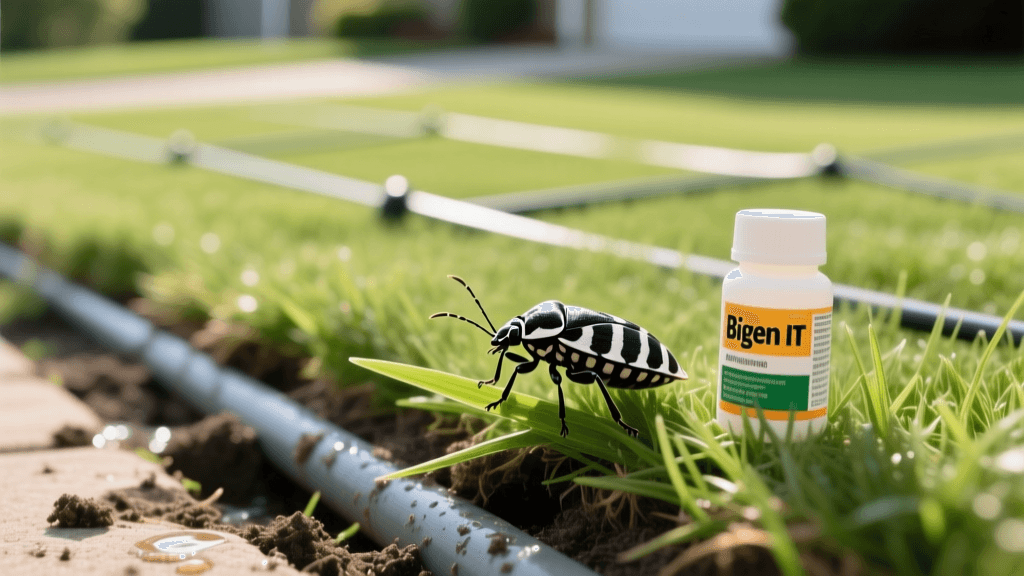
2026 Chinch Bug & Bifen IT Guide: Drainage Pipe Tips
The Intersection of Turf Pests and Landscape Drainage Pipes in 2026
Managing a pristine warm-season lawn requires more than just regular mowing and fertilization; it demands a deep understanding of your yard's microclimates and subsurface infrastructure. As we navigate the 2026 lawn care season, one of the most destructive pests for St. Augustine, Bermuda, and Zoysia grasses remains the southern chinch bug (Blissus insularis). However, treating these pests is not as simple as spraying a chemical and walking away. For properties utilizing subsurface water management systems, the intersection of chinch bug treatment and your landscape drainage pipe network is a critical factor that dictates both the efficacy of your pesticide and your compliance with modern environmental regulations.
Landscape drainage pipes—including corrugated tubing, PVC French drains, and surface catch basins—are designed to rapidly move excess water away from the root zone. While this prevents fungal diseases and root rot, it also creates unique challenges when applying liquid pesticides like Bifen IT (Bifenthrin 7.9%). In this comprehensive 2026 guide, we will explore how to accurately identify chinch bug damage, properly apply Bifen IT, and manage your landscape drainage pipe system to prevent chemical runoff and ensure maximum turf recovery.
Identifying Chinch Bugs vs. Drainage Pipe Failures
Before reaching for a pesticide, accurate identification is paramount. Homeowners often confuse the damage caused by chinch bugs with the symptoms of a failing landscape drainage pipe system. Both can result in brown, dying patches of grass, but the underlying mechanics are entirely different.
Signs of Chinch Bug Infestation
Chinch bugs thrive in hot, dry environments and typically begin their damage near the edges of sidewalks, driveways, and patios where the concrete radiates heat into the soil. According to the University of Florida IFAS Extension, these pests use their piercing-sucking mouthparts to extract plant juices while simultaneously injecting a toxin that clogs the grass's vascular system. The result is an irregular patch of yellowing grass that rapidly turns brown and dies, often with a distinct border between dead and healthy turf.
Signs of Landscape Drainage Pipe Issues
Conversely, if your landscape drainage pipes are clogged, improperly graded, or suffering from root intrusion, water will pool in the subsurface soil. This leads to shallow root systems, a spongy feel underfoot, and widespread fungal infections like Pythium blight or brown patch. Unlike chinch bug damage, which is localized to dry, hot areas, drainage-related turf decline usually occurs in low-lying areas, near downspout tie-ins, or directly above buried corrugated drainage pipes that have lost their structural integrity.
The Coffee Can Float Test
To confirm the presence of chinch bugs, perform the classic float test. Remove both ends of a metal coffee can, push it several inches into the soil at the margin of a damaged area, and fill it with water. Wait for five minutes. If chinch bugs are present, they will float to the surface. If you find 20 to 25 bugs per square foot, treatment is immediately necessary.
Bifen IT: The 2026 Standard for Chinch Bug Control
Bifen IT is a professional-grade suspension concentrate containing 7.9% Bifenthrin, a powerful synthetic pyrethroid. In 2026, it remains one of the most reliable and cost-effective solutions for chinch bug eradication, with average pricing hovering around $25 to $35 per pint, which is sufficient to treat multiple acres of turf when properly diluted.
Bifenthrin works by disrupting the nervous system of the insects upon contact and ingestion. Because chinch bugs spend the majority of their life cycle hidden deep within the thatch layer and at the soil surface, the chemical must be applied with sufficient water volume to penetrate the thatch and reach the pests.
Bifen IT Mixing and Application Rates
| Turf Type | Pest Pressure | Bifen IT Rate (per 1,000 sq ft) | Water Volume (per 1,000 sq ft) |
|---|---|---|---|
| St. Augustine / Zoysia | Low to Moderate | 0.5 fl oz | 1.5 to 2.0 gallons |
| St. Augustine / Zoysia | High / Severe | 1.0 fl oz | 2.0 to 3.0 gallons |
| Bermuda / Centipede | Moderate | 0.5 fl oz | 1.0 to 1.5 gallons |
Note: Always read the 2026 manufacturer label for the most current safety and application guidelines.
The Landscape Drainage Pipe Dilemma: Runoff and Efficacy
Here is where the expertise of a landscape drainage specialist becomes vital to your pest control success. The manufacturer label for Bifen IT requires the product to be 'watered in' immediately after application. Typically, this means applying roughly 0.25 inches of irrigation to wash the bifenthrin off the grass blades and down into the thatch and upper soil profile where the chinch bugs are hiding.
However, if your yard is equipped with an aggressive landscape drainage pipe system—such as surface catch basins, channel drains, or shallow French drains—this watering-in process can become a major liability. Bifenthrin is highly toxic to aquatic organisms. If your irrigation water rapidly enters a catch basin and flows directly through a landscape drainage pipe into a municipal storm sewer or a local waterway, you are not only wasting your chemical investment, but you are also violating strict 2026 environmental protection regulations regarding pesticide runoff.
Furthermore, bifenthrin binds tightly to organic matter and soil particles. If the water moves too quickly through a smooth-wall PVC or corrugated landscape drainage pipe before the chemical has time to bind to the thatch, the active ingredient is lost to the drainage system, leaving your lawn vulnerable to continued chinch bug feeding.
Step-by-Step Treatment and Drainage Pipe Management
To maximize the efficacy of Bifen IT while protecting your subsurface infrastructure and the local environment, follow this specialized protocol tailored for properties with integrated drainage systems.
- Step 1: Map and Inspect Your Drainage Inlets. Before mixing your Bifen IT, walk the property and locate all surface catch basins, trench drains, and exposed landscape drainage pipe inlets. Ensure the grates are clear of debris so you can monitor water flow during the irrigation phase.
- Step 2: Temporarily Block Surface Inlets. To prevent the chemical from washing directly into the landscape drainage pipes, temporarily cover surface catch basins with heavy plastic sheeting and sandbags, or use specialized inflatable drain plugs. This forces the irrigation water to pool slightly on the surface, giving it time to percolate into the thatch and soil rather than escaping through the drainage pipes.
- Step 3: Apply Bifen IT Evenly. Using a hose-end sprayer or a motorized backpack sprayer, apply the Bifen IT mixture at the rates specified in the table above. Ensure even coverage, paying special attention to the hot, dry areas near hardscapes where chinch bugs congregate.
- Step 4: Controlled Watering-In. Turn on your irrigation system or use a sprinkler to apply exactly 0.25 inches of water. Use a rain gauge or empty tuna cans placed around the lawn to measure the output. Watch the areas near your landscape drainage pipes closely. If you see water beginning to pool excessively and threaten to bypass your temporary blockades, shut off the irrigation in that specific zone.
- Step 5: Restore Drainage Flow. Once the water has fully absorbed into the soil and thatch (usually within 2 to 4 hours, depending on your soil compaction), remove the temporary blockades from your catch basins and landscape drainage pipe inlets. The chemical is now safely bound to the soil profile, and your drainage system can resume its normal function of managing rainwater and runoff.
Long-Term Lawn Health: Thatch, Drainage Pipes, and Pest Resistance
Chinch bugs are notorious for developing resistance to pyrethroids if the same chemical class is used repeatedly. To maintain a sustainable lawn care program in 2026 and beyond, it is crucial to rotate Bifen IT with products containing different active ingredients, such as clothianidin or trichlorfon, in subsequent seasons.
Additionally, the health of your landscape drainage pipe system directly impacts your lawn's thatch layer. A properly functioning drainage system maintains optimal soil moisture, encouraging the microbial activity necessary to break down thatch naturally. If your landscape drainage pipes are failing and the soil remains constantly saturated, microbial activity slows down, leading to a thick, spongy thatch layer. While chinch bugs prefer dry thatch, an excessively thick thatch layer (greater than 0.5 inches) will act as a physical barrier, preventing your Bifen IT application from ever reaching the soil surface, regardless of how carefully you manage your drainage inlets.
Regularly aerating your lawn and maintaining your landscape drainage pipes with annual flushing and root inspections will keep the root zone dry enough to prevent fungal rot, but balanced enough to support the microbes that keep thatch in check. For more detailed information on the environmental safety and toxicology of bifenthrin, consult the National Pesticide Information Center (NPIC).
Conclusion
Treating chinch bugs with Bifen IT is a highly effective strategy for rescuing warm-season lawns from severe pest pressure. However, as modern landscaping increasingly relies on complex subsurface water management, homeowners and professionals must view pest control and drainage infrastructure as interconnected systems. By accurately identifying the pest, carefully calculating your Bifen IT application rates, and strategically managing your landscape drainage pipes during the watering-in process, you can achieve a lush, pest-free lawn in 2026 while remaining a responsible steward of the local environment.