Pest Control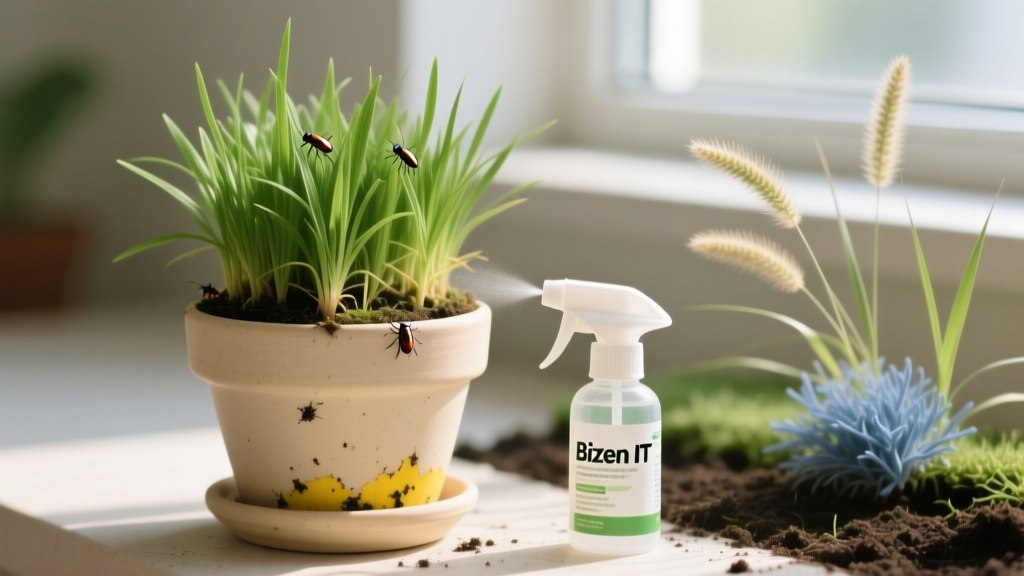
Identify Chinch Bugs & Use Bifen IT In Potted Turf 2026
Sarah ChenPublished
The Rise of Containerized Turf and the Chinch Bug Threat
Container gardening has evolved dramatically by 2026. Homeowners and landscape designers are increasingly utilizing large architectural pots and raised planter boxes to grow dwarf turfgrasses, ornamental fescues, and potted Zoysia or Bermuda grass. These containerized lawn alternatives provide lush, green aesthetics for patios, balconies, and rooftop gardens where traditional in-ground planting is impossible. However, this trend has introduced a unique microclimate challenge: potted turf is highly susceptible to chinch bugs (Blissus species).
Chinch bugs thrive in hot, dry environments. Because potting soil in containers heats up much faster and retains less ambient moisture than deep earth, potted grasses often experience the exact conditions that trigger chinch bug population explosions. If you are growing turf in containers, understanding how to identify chinch bug lawn damage and properly apply Bifen IT spray is critical to saving your potted oasis this season.
Identifying Chinch Bug Damage in Containerized Turf
Chinch bugs damage grass by using their piercing-sucking mouthparts to extract plant sap while simultaneously injecting a toxic saliva that blocks the grass's vascular system. In a confined container environment, this damage can spread rapidly, turning a vibrant potted lawn into a crispy, brown mess in a matter of days.
According to the Environmental Protection Agency's guide on identifying pests, accurate identification is the cornerstone of effective pest management. Misdiagnosing chinch bug damage as simple underwatering is the most common mistake container gardeners make. Because pots dry out quickly, gardeners often assume brown patches are due to drought stress, leading to overwatering which can cause root rot without solving the pest issue.
Chinch Bug Damage vs. Drought Stress in Pots
To help you accurately diagnose your potted turf, refer to the comparison table below:
| Symptom | Chinch Bug Damage in Pots | Drought / Heat Stress in Pots |
|---|---|---|
| Color Transition | Yellowing at the base, rapidly turning straw-brown. | Uniform dull green to grayish-brown fading. |
| Pattern of Spread | Starts in sunny, hot edges of the pot; expands outward. | Affects the entire surface of the potted turf evenly. |
| Response to Watering | Grass remains brown and dies despite deep watering. | Grass perks up and recovers color after deep watering. |
| Visible Insects | Tiny black bugs with white wings (adults) or red nymphs visible at soil line. | No insects present at the soil surface or thatch layer. |
The 'Float Test' Adapted for Containers
The traditional 'tin can' test used for in-ground lawns involves cutting both ends off a metal can, pushing it into the soil, and filling it with water to force chinch bugs to float to the surface. For potted turf, you cannot easily push a can into the dense, root-bound soil of a container. Instead, use the Container Float Method: take a small, shallow dish, part the grass blades near the damaged edge of the pot, and gently pour a mixture of lukewarm water and a few drops of dish soap directly onto the thatch and soil surface. Wait 3 to 5 minutes. If chinch bugs are present, the soap breaks the water's surface tension, and the pests will float to the top, making them easy to identify.
Bifen IT Spray: Your 2026 Solution for Potted Grass
Once you have confirmed a chinch bug infestation, swift chemical intervention is usually required to save the confined root system of your potted turf. Bifen IT is a professional-grade insecticide containing 7.9% Bifenthrin, a synthetic pyrethroid that is highly effective against sucking insects. As of 2026, a 16-ounce bottle of Bifen IT typically retails between $28 and $35, making it a cost-effective solution for treating multiple large containers.
Bifenthrin works by disrupting the nervous system of the chinch bugs upon contact and through residual ingestion. The EPA's Bifenthrin overview notes that this active ingredient binds strongly to organic matter in the soil, which is highly beneficial for container gardening. Because potting mixes are rich in organic compost and peat, the Bifen IT binds to the top layer of the potting soil where chinch bugs live and feed, providing a residual barrier that lasts for several weeks.
Step-by-Step Bifen IT Application for Containers
Applying liquid insecticides to containers requires more precision than spraying an open lawn. You must avoid chemical runoff, which wastes product and poses environmental risks to patio drains and surrounding ornamental plants.
1. Preparation and Hydration
Never apply Bifen IT to bone-dry potted soil. Dry potting mix becomes hydrophobic, causing the chemical to run straight down the sides of the pot and out the drainage holes. Water your potted turf lightly the evening before application to ensure the soil is moist and receptive.
2. Mixing the Solution
For active chinch bug infestations in containers, the standard 2026 mixing rate is 0.5 to 1.0 fluid ounces of Bifen IT per gallon of water. Because containers have a higher concentration of roots and organic matter, a 0.5 oz rate is often sufficient and reduces the risk of chemical leaching. Use a dedicated pump sprayer and agitate the mixture thoroughly before spraying.
3. Targeted Application
- Spray the potted turf during the early morning or late evening when chinch bugs are most active near the soil surface.
- Apply the spray evenly over the surface of the pot, ensuring you cover the edges and the base of the grass blades.
- Use a gentle spray nozzle to avoid splashing the chemical out of the container.
- Stop spraying the moment you see the first drop of liquid exit the bottom drainage holes of the pot. This ensures you have saturated the root zone without causing environmental runoff.
4. Post-Application Care
Allow the Bifen IT spray to dry completely on the grass blades before allowing pets or children near the patio containers. Avoid watering the potted turf for at least 24 hours after application to allow the bifenthrin to bind properly to the thatch and upper soil layers.
Integrating IPM and Preventative Controls in Pots
While Bifen IT is an excellent rescue treatment, relying solely on chemicals is not a sustainable long-term strategy. Following the EPA's Integrated Pest Management principles, you should combine chemical controls with cultural and biological preventative measures tailored for container gardening.
Cultural Controls for Containerized Turf
Chinch bugs target stressed, thirsty grass. In 2026, with summer temperatures continuing to trend higher, managing pot moisture is your first line of defense. Consider installing automated drip irrigation systems specifically calibrated for your turf containers. Drip lines deliver water directly to the soil line, keeping the turf crown hydrated without creating the humid, wet canopy that encourages fungal diseases. Additionally, avoid high-nitrogen synthetic fertilizers in your pots, as the rapid, succulent growth they produce is highly attractive to chinch bugs.
Biological Controls and Beneficial Insects
Potted environments can actually be excellent habitats for beneficial predatory insects if managed correctly. The Big-Eyed Bug (Geocoris species) is a natural predator of the chinch bug. Unlike chinch bugs, Big-Eyed Bugs have prominent, bulging eyes and are slightly larger. They feed on chinch bug eggs and nymphs. To encourage these beneficial insects in your patio garden, avoid broad-spectrum insecticides (other than your targeted Bifen IT rescue treatments) and plant companion flowering herbs like cilantro or sweet alyssum in adjacent pots to provide nectar for adult predators.
Environmental Safety and Runoff Prevention
Container gardening inherently concentrates chemicals in a small volume of soil. Bifenthrin is highly toxic to aquatic organisms and bees. When treating potted turf on a patio or balcony, you must ensure that no Bifen IT runoff enters storm drains, water features, or neighboring pollinator gardens. Always place saucers or catch-trays beneath your turf containers during the 24-hour period following a Bifen IT application. If any chemical leaches through the drainage holes, the saucer will catch it, allowing the soil to reabsorb the liquid safely rather than letting it enter the local watershed.
Conclusion
Growing turfgrass and ornamental grasses in containers is a hallmark of modern 2026 landscape design, but it requires vigilant pest management. By learning to distinguish chinch bug damage from standard drought stress, utilizing the adapted container float test, and applying Bifen IT with precision and environmental mindfulness, you can keep your potted lawns thick, green, and pest-free all season long. Combine these chemical interventions with smart irrigation and biological controls to ensure your container garden remains a thriving, sustainable ecosystem.