Pest Control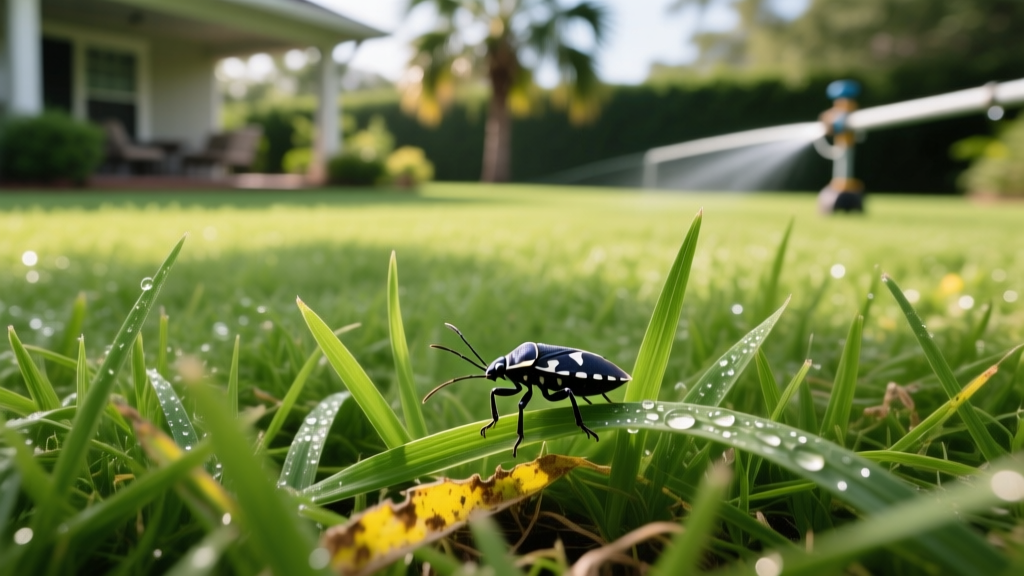
Effective Chinch Bug Control for Southern Climate Lawns
Anna KowalskiPublished
The Unique Threat of Southern Chinch Bugs
When maintaining a lush lawn in the hot, humid climates of the American South and the Transition Zone, homeowners face a unique set of pest pressures. Among the most destructive is the Southern Chinch Bug (Blissus insularis). Unlike northern lawn pests that have a single, predictable annual generation, the extended heat and high humidity of southern states allow chinch bugs to reproduce continuously, generating up to five overlapping generations per year. This relentless life cycle makes them a perennial threat to warm-season grasses, particularly St. Augustinegrass (Stenotaphrum secundatum), which is the dominant turfgrass in states like Florida, Texas, and the Carolinas.
Chinch bugs damage lawns by piercing the grass blades and stolons with their needle-like mouthparts, sucking out the plant sap, and injecting a toxic saliva that blocks the grass's vascular system. The result is rapid yellowing, followed by brown, dead patches that can easily be mistaken for drought stress or fungal diseases. Effective management in these specific regional climates requires a deep understanding of local weather patterns, turfgrass physiology, and Integrated Pest Management (IPM) principles.
Identifying Chinch Bug Damage in Humid Climates
In the Deep South, the microclimates within your yard play a massive role in where chinch bugs strike first. These pests thrive in hot, dry, and sunny areas. Consequently, damage almost always appears first in full sun, particularly near heat-radiating hardscapes like concrete driveways, sidewalks, and south-facing foundations. The radiant heat from these surfaces creates an ideal incubator for chinch bug eggs and nymphs.
To differentiate chinch bug damage from common southern fungal issues like Take-All Root Rot or Brown Patch, examine the transition zone between the dead brown grass and the healthy green grass. If chinch bugs are the culprits, you will often find the insects actively feeding at this leading edge. Furthermore, chinch bug damage does not improve with increased irrigation, whereas drought-stressed grass will typically recover once deeply watered. According to the Clemson University Home and Garden Information Center, misdiagnosing chinch bug damage as a water deficit and subsequently overwatering the lawn can exacerbate fungal diseases, creating a compounding disaster for your turf.
The Flotation Test: Confirming an Infestation
Before applying any chemical or organic treatments, you must confirm the presence and population density of chinch bugs. The industry-standard method for this is the 'flotation test.'
- Take a large metal coffee can and remove both the top and bottom lids.
- Push the can about two to three inches into the soil at the margin of the damaged area (where brown grass meets green grass).
- Fill the can with water and wait for about five minutes.
- Count the number of chinch bugs that float to the surface. They are small (about 1/8 to 1/5 inch long), black with white wings folded in an 'X' pattern on their backs.
In southern climates, the treatment threshold is generally considered to be 20 to 25 chinch bugs per square foot. If your flotation test yields fewer than this, cultural controls and natural predators may be sufficient to manage the population.
Climate-Specific Life Cycle and Timing
Understanding the regional life cycle is critical for timing your interventions. In northern states, pests often go dormant in winter. In the Gulf Coast and Deep South, chinch bugs overwinter as adults in the thatch layer and emerge as soon as spring temperatures consistently exceed 70°F.
| Season | Average Temperature | Chinch Bug Activity & Life Stage | Recommended Action |
|---|---|---|---|
| Early Spring (March - April) | 70°F - 80°F | Overwintering adults emerge; first egg-laying begins. | Monitor thatch levels; apply preventative systemic insecticides if history of severe infestations. |
| Summer (May - August) | 85°F - 95°F+ | Peak activity; 2nd and 3rd generations overlap. Nymphs cause the most severe damage. | Conduct weekly flotation tests; apply targeted contact or systemic treatments at the first sign of threshold breach. |
| Fall (September - October) | 75°F - 85°F | Final generation matures; adults seek shelter in thatch and soil crevices. | Reduce nitrogen fertilization; perform core aeration to disrupt overwintering habitats. |
Cultural Prevention Strategies for Southern Lawns
Integrated Pest Management (IPM) always begins with cultural controls. In hot, humid climates, the environment can either invite or repel chinch bugs.
Thatch Management
Thatch is the layer of dead and living organic matter between the soil surface and the green grass blades. While a thin layer (less than 1/2 inch) protects soil moisture, a thick thatch layer in humid southern climates acts as a sponge, harboring chinch bugs and protecting them from contact insecticides and natural predators. Annual dethatching or core aeration is mandatory for St. Augustine and Zoysia lawns in the South.
Proper Mowing Heights
Scalping your lawn stresses the grass and exposes the soil to the intense southern sun, creating the exact dry, hot conditions chinch bugs prefer. Maintain St. Augustinegrass at a height of 3 to 4 inches. This shades the soil, retains moisture, and encourages a deeper, more resilient root system capable of withstanding minor pest feeding.
Strategic Irrigation
Southern lawns require about 1 to 1.5 inches of water per week. Water deeply and infrequently (e.g., twice a week) rather than light daily sprinklings. Frequent, shallow watering keeps the thatch layer constantly moist, which ironically promotes certain fungal pathogens while failing to drown chinch bug nymphs in the soil profile.
Chemical and Organic Treatment Options
When populations exceed the 20-25 per square foot threshold, intervention is necessary. However, southern regions face a unique challenge: severe pyrethroid resistance. Decades of reliance on common over-the-counter chemicals have rendered many local chinch bug populations immune to them.
According to extensive research published by Texas A&M AgriLife Extension, rotating active ingredients is no longer just a best practice; it is an absolute necessity to prevent total chemical failure. Below is a comparison of active ingredients and their regional efficacy.
| Active Ingredient | Class | Application Timing | Resistance Risk in the South |
|---|---|---|---|
| Bifenthrin / Lambda-cyhalothrin | Pyrethroid (Contact) | Early spring or late fall | Very High (Widespread resistance in FL and TX) |
| Imidacloprid / Clothianidin | Neonicotinoid (Systemic) | Early summer (preventative) | Low to Moderate (Highly effective when watered in) |
| Bifenthrin + Clothianidin | Combination | Curative (Active infestations) | Low (Dual mode of action overcomes resistance) |
| Neem Oil / Insecticidal Soap | Organic (Contact) | Nymph stage only | None (But low efficacy in extreme heat) |
Application Tips for High Heat
When applying liquid or granular insecticides in southern climates, timing your application is critical. Never apply contact insecticides during the heat of the day (above 85°F), as the product will evaporate rapidly and can cause phytotoxicity (chemical burn) to the grass. Apply treatments in the early evening, and always water the lawn lightly before application to force the chinch bugs up out of the thatch and into the treatment zone.
Preserving Beneficial Insects in the Southern Ecosystem
A healthy southern lawn ecosystem contains natural predators that keep chinch bug populations in check. The most important of these is the Big-Eyed Bug (Geocoris species). Big-eyed bugs are voracious predators of chinch bug eggs and nymphs. Unfortunately, they are often mistaken for the pests they eat and are inadvertently killed by broad-spectrum insecticides.
To preserve these beneficial insects, utilize the University of Florida IFAS Extension guidelines for targeted spot-treatments rather than broadcast spraying the entire lawn. If you must use chemical controls, opt for systemic products like Imidacloprid, which are absorbed by the plant and target sap-sucking pests without leaving a toxic residue on the leaf surface that would harm foraging big-eyed bugs, minute pirate bugs, and lacewings.
Pro Tip: Before applying any curative chemical treatment, re-evaluate your lawn's fertility. High nitrogen fertilization in the peak of summer promotes rapid, succulent grass growth that is highly attractive to chinch bugs. Utilize slow-release, organic nitrogen sources during the hottest months to maintain steady, pest-resistant growth.
Conclusion
Managing chinch bugs in hot, humid southern climates requires a proactive, region-specific approach. By understanding the extended life cycle of the Southern Chinch Bug, maintaining proper thatch levels, utilizing the flotation test to monitor thresholds, and rotating chemical classes to combat regional resistance, homeowners can protect their St. Augustine and Zoysia lawns. Combine these strategies with a respect for local beneficial insects, and you will cultivate a resilient, vibrant landscape capable of withstanding the intense pressures of the southern summer.