Pest Control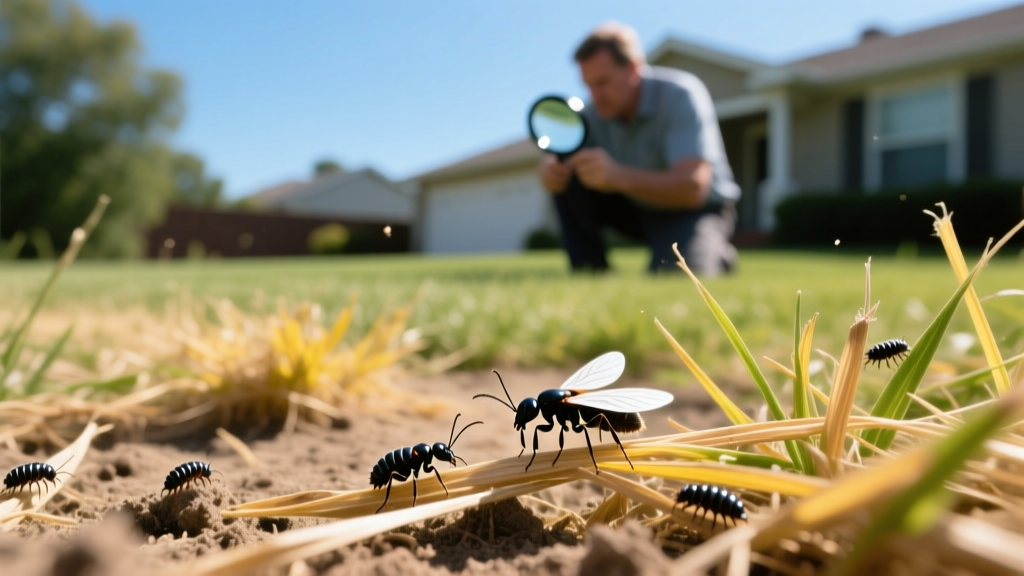
How to Manage Chinch Bugs in Drought-Stressed Lawns
James MillerPublished
The Hidden Threat: Chinch Bugs vs. Drought Stress
As summer heat intensifies and rainfall dwindles, homeowners practicing water-wise landscaping often face a frustrating dilemma: irregular brown patches appearing in the lawn. The immediate instinct is to assume the turf is suffering from drought stress and to increase irrigation. However, overwatering not only violates water conservation principles but can also exacerbate a hidden problem—chinch bug infestations. Chinch bugs (Blissus species) are notorious for thriving in hot, dry environments, and their damage is frequently misdiagnosed as simple drought stress. This misidentification leads to wasted water, higher utility bills, and an unchecked pest population that can decimate your turf.
In this comprehensive guide, we will explore the intersection of drought conditions and chinch bug biology. You will learn how to accurately identify these pests, implement water-wise cultural controls, and apply targeted treatments that protect your lawn without compromising your water conservation goals. By integrating these strategies, you can maintain a resilient, water-wise landscape even during peak pest pressure.
How Drought Conditions Amplify Chinch Bug Damage
Chinch bugs, including the hairy chinch bug in northern regions and the southern chinch bug in warmer climates, are piercing-sucking insects. They insert their needle-like mouthparts into grass blades and crowns to extract plant sap, simultaneously injecting a toxic saliva that blocks the plant's vascular system. This prevents water and nutrients from moving through the grass, causing the turf to yellow, wilt, and eventually turn brown and die.
Drought stress and chinch bug damage share a synergistic, destructive relationship. When grass experiences water deficit, it closes its stomata to conserve moisture. This increases leaf surface temperature and alters the plant's chemical profile, often releasing stress-induced volatile organic compounds (VOCs). Chinch bugs are highly attuned to these VOCs and will actively migrate toward drought-stressed turf. Furthermore, the lack of water reduces the plant's turgor pressure and natural sap flow, which normally helps flush out or deter piercing-sucking insects. According to Penn State Extension, turf that is already stressed by lack of moisture, poor soil conditions, or heavy thatch is far more susceptible to severe chinch bug injury than healthy, well-hydrated grass.
Accurate Identification: The Flotation Test
Before you turn on the sprinklers or apply pesticides, you must confirm the presence of chinch bugs. Because their damage mimics drought stress, visual inspection alone is insufficient. The most reliable, low-cost method for detection is the coffee can flotation test. This test exploits the fact that chinch bugs will float to the surface when submerged, while soil and debris sink.
Step-by-Step Coffee Can Test
- Preparation: Take a standard 15-ounce cylindrical coffee can and remove both the top and bottom lids using a can opener, creating a hollow metal cylinder.
- Placement: Identify the "marginal zone"—the border where the green, healthy grass meets the brown, damaged grass. Chinch bugs feed at the advancing edge of the damage, not in the dead center.
- Insertion: Push the can about 2 to 3 inches deep into the soil. Ensure it is seated firmly so water does not leak out from underneath.
- Flooding: Fill the can with water to the brim. If the soil is highly hydrophobic due to severe drought, add a few drops of liquid dish soap to break the surface tension and help the water penetrate the thatch.
- Observation: Wait 5 to 10 minutes. Count the number of adult and nymph chinch bugs that float to the surface. They are small (about 1/6 inch long), with black bodies and white wings folded over their backs, featuring a distinctive black triangle.
- Threshold: If you count 15 to 20 or more chinch bugs per can (which equates to roughly one square foot), treatment is justified. If you find fewer, the damage is likely due to drought stress or localized soil compaction, and your focus should remain on water-wise cultural practices.
Water-Wise Cultural and Biological Controls
Integrated Pest Management (IPM) emphasizes prevention and cultural controls before resorting to chemicals. In a water-wise landscape, cultural practices must simultaneously conserve moisture and deter pests.
Optimizing Mowing and Thatch Management
Mowing height is one of the most critical factors in managing both drought stress and chinch bugs. Never scalp your lawn during a drought. Maintain a mowing height of 3 to 4 inches. Taller grass blades provide shade to the soil surface, significantly reducing evaporation and keeping the root zone cooler. More importantly, a taller canopy creates a humid microclimate at the soil level that encourages the growth of entomopathogenic fungi (like Beauveria bassiana), which naturally infect and kill chinch bugs.
Thatch management is equally vital. A thatch layer exceeding 0.5 inches provides an ideal, dry harborage for chinch bugs and prevents irrigation water from reaching the root zone. Core aeration and deep, infrequent watering encourage microbial activity that breaks down thatch naturally, improving water infiltration and reducing pest habitat without the need for aggressive, moisture-stripping mechanical dethatching.
Encouraging Biological Predators
The big-eyed bug (Geocoris species) is a fierce natural predator of chinch bugs. Big-eyed bugs are often mistaken for their prey due to similar size and coloration, but they have prominent, bulging eyes and do not damage grass. To attract and retain big-eyed bugs and other beneficial insects like lacewings and ladybugs, incorporate drought-tolerant, nectar-rich perennial borders (such as yarrow, alyssum, and dill) near your lawn. These plants require minimal supplemental water once established and provide a steady food source for beneficial predators, creating a natural biological defense against chinch bugs.
Targeted Treatments: Organic and Chemical Options
When the flotation test confirms an infestation exceeding the economic threshold, targeted treatment is necessary. In a water-wise landscape, the goal is to apply treatments efficiently, minimizing runoff and avoiding the need for excessive post-application irrigation.
One major challenge in drought-stressed lawns is hydrophobic soil and thick thatch, which can cause liquid treatments to run off or evaporate before reaching the target pests. To solve this, always mix liquid treatments with a non-ionic soil surfactant or a yucca-based wetting agent (costing roughly $15 to $25 per bottle). This ensures the active ingredient penetrates the thatch layer and reaches the soil surface where chinch bugs reside, maximizing efficacy while minimizing the volume of water needed as a carrier.
Treatment Comparison Chart
| Treatment Type | Product Example | Application Rate | Estimated Cost | Water-Wise Impact & Notes |
|---|---|---|---|---|
| Insecticidal Soap | Safer Brand Insect Killing Soap | 2.5 oz per gallon of water per 1,000 sq ft | $15 - $20 / Gallon | Low impact. Requires direct contact with pests. Apply in early morning to reduce rapid evaporation. Safe for beneficials once dry. |
| Botanical Oil | Bonide Neem Oil (Clarified Hydrophobic Extract) | 2 tbsp per gallon of water per 1,000 sq ft | $20 / 16 oz bottle | Moderate impact. Disrupts insect hormones. Must be applied in the late evening to prevent phytotoxicity on drought-stressed grass and to protect pollinators. |
| Chemical Insecticide | Talstar P (Bifenthrin 7.9%) | 0.5 to 1.0 fl oz per 1,000 sq ft | $50 / Pint (treats up to 10,000 sq ft) | High impact. Use only as a last resort for severe outbreaks. Requires light watering-in (0.1 inches) to move into the thatch. Highly toxic to aquatic life; prevent runoff. |
Application Timing and Best Practices
Timing is everything when treating pests in a water-wise landscape. Apply organic treatments like insecticidal soaps and neem oil during the early morning or late evening. Midday applications will evaporate before the product can coat the insects, and the combination of oils and intense sun can severely burn drought-stressed grass blades. If you must use a synthetic pyrethroid like bifenthrin, apply it only to the localized areas where the coffee can test confirmed high populations, rather than broadcasting it across the entire lawn. This spot-treatment approach preserves beneficial insect populations in the untreated zones and drastically reduces chemical load on the environment.
According to the University of Florida IFAS, southern chinch bugs can develop multiple generations per year in warm climates, meaning a single application may not break the life cycle. Monitor the treated areas weekly using the flotation method. If nymphs continue to emerge, a second application of an insect growth regulator (IGR) like pyriproxyfen can be used to sterilize the adults and prevent egg hatching without harming adult beneficial predators.
Conclusion
Managing chinch bugs in a drought-stressed lawn requires a shift in perspective. By recognizing that pest damage and water deficit often look identical, you can avoid the costly and environmentally damaging mistake of overwatering. Utilizing the coffee can flotation test ensures that you only treat when necessary. When intervention is required, combining water-wise cultural practices—like raising your mowing height and managing thatch—with targeted, surfactant-enhanced treatments provides effective control. By following the IPM principles outlined by institutions like the University of Minnesota Extension, you can protect your turf from chinch bugs while honoring your commitment to water conservation and environmental stewardship.