Pest Control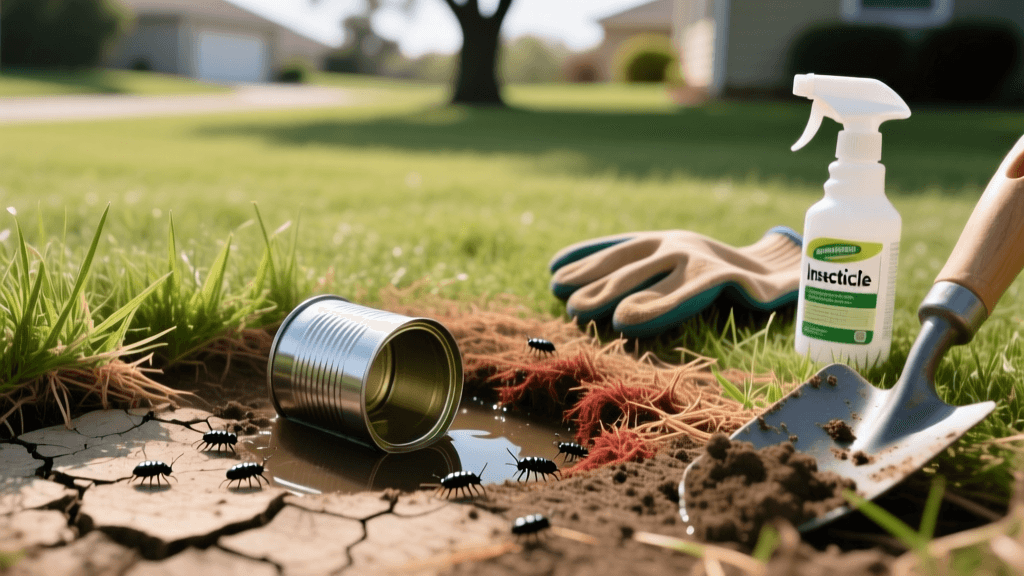
Chinch Bugs vs Drought: Diagnosing Brown Lawn Patches
The Summer Lawn Dilemma: Bugs or Burn?
As the summer heat intensifies, homeowners frequently face a common and frustrating lawn care mystery: the sudden appearance of irregular brown patches across an otherwise vibrant yard. The immediate instinct is often to increase irrigation, assuming the grass is suffering from drought stress. However, if the true culprit is a chinch bug infestation, adding water will not solve the problem and may even exacerbate fungal issues. Misdiagnosing lawn damage leads to wasted resources, dead turf, and unnecessary chemical applications. Accurate problem diagnosis and troubleshooting are the cornerstones of effective integrated pest management (IPM). In this guide, we will break down the biological differences between chinch bug damage and drought stress, provide a foolproof diagnostic test, and outline precise treatment protocols to rescue your lawn.
Understanding the Culprits
Chinch Bugs (Blissus insularis)
Chinch bugs are tiny, sap-sucking insects that measure about 1/8 to 1/5 of an inch in length. They are most notorious for devastating St. Augustine grass, but they also heavily target Kentucky bluegrass, perennial ryegrass, and fine fescues. The damage they cause is twofold. First, they use their piercing-sucking mouthparts to extract vital plant juices from the crowns and stems of the grass. Second, and more destructively, they inject a toxic saliva into the plant tissue as they feed. This toxin blocks the grass's vascular system, preventing water and nutrients from moving through the plant. The result is a rapid yellowing and subsequent browning of the grass that closely mimics severe drought stress, even when the soil is adequately moist.
Drought Stress and Dormancy
Drought stress occurs when water loss through evapotranspiration exceeds the water uptake by the grass roots. Cool-season grasses (like fescue and bluegrass) typically enter a state of dormancy to survive prolonged dry spells, turning a uniform straw-brown color. Warm-season grasses (like Bermuda and Zoysia) are more drought-tolerant but will also brown if deprived of water for extended periods. Unlike chinch bug damage, which is localized and expands outward from a central point of infestation, drought stress usually affects the entire lawn uniformly or appears first in areas with poor soil retention, such as slopes or sandy patches.
Step-by-Step Diagnosis: The Flotation Test
The most reliable, scientifically backed method to confirm a chinch bug infestation is the flotation test, often called the "tin can test." According to the University of Minnesota Extension, this method forces the insects to the surface, making them easy to count and identify.
- Step 1: Take an empty metal coffee can or a large PVC pipe and cut out both the top and bottom ends to create a hollow cylinder.
- Step 2: Identify the "margin zone"—the exact border where the green, healthy grass meets the brown, dying grass. This is where chinch bugs are actively feeding and migrating.
- Step 3: Push the cylinder 2 to 3 inches deep into the soil at this margin zone. Ensure it is sealed tightly against the dirt so water does not escape underneath.
- Step 4: Fill the cylinder with water and wait for 5 to 10 minutes. Keep adding water to maintain the level.
- Step 5: Observe the surface. Chinch bugs will float to the top. They are small, black insects with white wings folded over their backs, often featuring a distinct hourglass shape.
Troubleshooting Threshold: If you see fewer than 5 chinch bugs per can, the population is likely manageable and not the primary cause of the browning. If you count 15 to 20 or more bugs per can, you have an active, damaging infestation that requires immediate intervention.
Visual Symptoms Comparison Chart
While the flotation test is definitive, visual scouting can provide immediate clues. Use the following diagnostic table to differentiate between the two problems before you begin treatment.
| Diagnostic Symptom | Chinch Bug Damage | Drought Stress |
|---|---|---|
| Patch Shape & Spread | Irregular, localized patches that expand outward rapidly from sunny, hot areas (near driveways or sidewalks). | Widespread, uniform browning, or localized only to slopes, sandy areas, or zones with poor sprinkler coverage. |
| Grass Color Progression | Transitions from yellow to reddish-brown, then to dead straw-brown. The crown of the plant is often rotted or easily pulled. | Transitions from dull green to grayish-blue, then to a uniform straw-brown. The crown usually remains firm and white/green. |
| Soil Moisture Level | Soil in the brown patch may still be moist if irrigation has been running, but the grass remains dead. | Soil is bone dry, hard, and hydrophobic. A screwdriver cannot easily be pushed into the ground. |
| Thatch & Odor | Heavy thatch layers harbor bugs. You may notice a faint, unpleasant, bug-like odor when kneeling in the grass. | No specific odor. Thatch may be dry and brittle, but not teeming with insect life. |
Troubleshooting and Treatment Protocols
Once you have accurately diagnosed the issue, you must apply the correct treatment. Applying insecticides to a drought-stressed lawn is a waste of money and introduces unnecessary chemicals into the environment. Conversely, watering a chinch bug infestation will not revive the grass and may promote secondary fungal diseases like Brown Patch.
Treating Chinch Bug Infestations
If the flotation test confirms an infestation, immediate chemical or organic control is necessary. The University of California IPM recommends targeting the nymph stages before they mature into highly destructive adults.
- Chemical Control (Fastest Results): Products containing Bifenthrin (e.g., Talstar P) or Carbaryl (e.g., Sevin) are highly effective. Apply liquid Bifenthrin at a rate of 0.5 to 1.0 fluid ounces per 1,000 square feet. Water the lawn lightly before application to bring bugs closer to the surface, and irrigate lightly after application to wash the chemical into the thatch layer. Cost: Approximately $45 for a 32 oz bottle of Talstar P, which can treat over an acre of lawn.
- Organic & Biological Control: For an eco-friendly approach, use Azadirachtin (the active compound in Neem Oil) or the entomopathogenic fungus Beauveria bassiana (e.g., BotaniGard). These disrupt the insect's molting process or infect them fatally. Apply in the late evening to avoid UV degradation. Cost: $25 to $60 depending on the concentrate size.
- Timing: Treat in late spring to early summer (May/June) when the first generation of nymphs is active, and again in late summer if a second generation emerges.
Managing Drought Stress
If the soil is dry and the flotation test is negative, your lawn is suffering from water deprivation.
- Deep, Infrequent Watering: Lawns require 1 to 1.5 inches of water per week. Instead of watering for 15 minutes daily, water deeply 2 to 3 times a week. Use a rain gauge or empty tuna cans placed around the yard to measure exact output.
- Soil Surfactants: If the soil has become hydrophobic (repelling water), apply a liquid soil surfactant like Aqua-Aid or Cascade Plus. These wetting agents break the surface tension of the soil, allowing water to penetrate deep into the root zone rather than running off. Cost: $30 to $50 per application for an average-sized lawn.
- Mowing Adjustments: Raise your mower deck. Taller grass shades the soil, reducing evaporation and keeping the root zone cooler. Never remove more than 1/3 of the grass blade in a single mowing.
Long-Term Prevention and Recovery
As highlighted by Penn State Extension, a healthy, vigorously growing lawn is the best defense against both pests and environmental stress. Chinch bugs thrive in lawns with thick thatch layers (over 0.5 inches) because the thatch provides a protective, humid microclimate that shields them from predators and weather.
Thatch Management: Core aerate your lawn in the fall (for cool-season grasses) or spring (for warm-season grasses) to relieve compaction and accelerate thatch decomposition. If thatch exceeds 0.75 inches, mechanical dethatching with a power rake is required.
Resistant Cultivars: If you are renovating a severely damaged lawn, consider overseeding with endophyte-enhanced grass seeds. Endophytes are beneficial fungi that live within the grass plant and produce natural alkaloids that deter sap-sucking insects like chinch bugs. For warm-season lawns, St. Augustine cultivars like 'Floratam' exhibit high resistance to southern chinch bugs.
Expert Tip: Always perform the tin can test before purchasing insecticides. Proper diagnosis saves money, protects local pollinators, and ensures your lawn receives the exact care it needs to recover from summer stress.
Conclusion
Troubleshooting brown lawn patches requires a methodical approach. By understanding the biological mechanisms of chinch bugs and the physiological responses of grass to drought, you can accurately diagnose the root cause of the damage. Utilize the flotation test to confirm pest presence, follow the comparison chart for visual cues, and apply targeted treatments with precise measurements. Whether you are battling a toxic insect infestation or a severe summer dry spell, informed, proactive lawn care will restore your turf to its former lush, green glory.