Gardening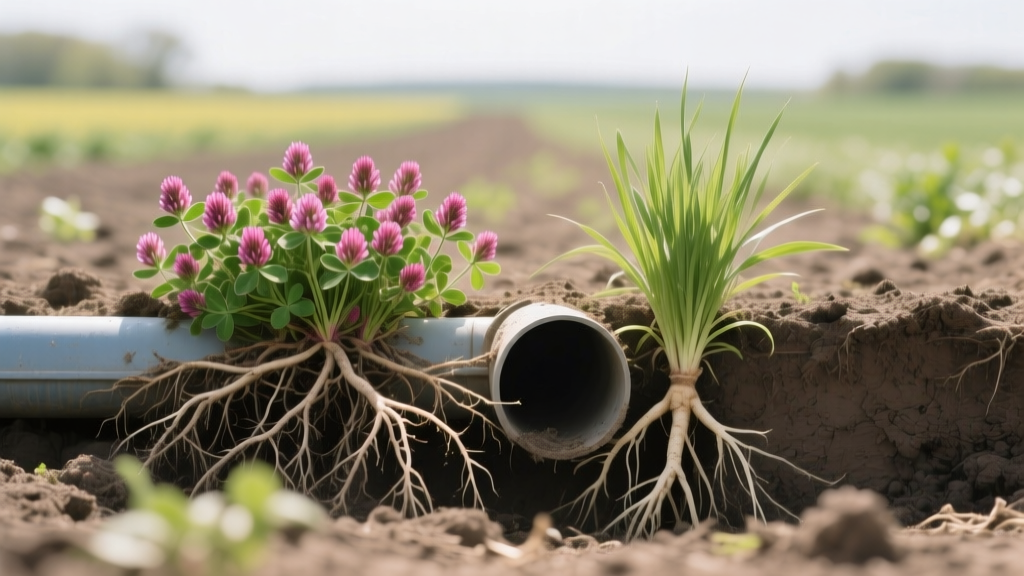
Crimson Clover vs Winter Rye: Landscape Drain Pipes 2026
Robert HayesPublished
Introduction to Cover Crops and Subsurface Drainage in 2026
In modern landscape design and home gardening, managing water is just as critical as managing soil nutrients. As we move through 2026, extreme weather patterns and heavier seasonal downpours have made subsurface landscape drainage pipe networks a necessity for countless residential properties. Whether you are installing a new French drain to save a boggy vegetable garden or laying corrugated HDPE pipe to protect your foundation, the soil above and around these trenches requires immediate stabilization and rehabilitation.
After heavy machinery tears up the yard and compacts the backfill, gardeners typically turn to cover crops to restore soil structure, prevent erosion, and add organic matter. However, a major conflict arises beneath the surface: the aggressive root systems of certain cover crops can infiltrate, clog, and ultimately destroy expensive drainage infrastructure. Choosing between the two most popular cool-season cover crops—crimson clover and winter rye—requires a deep understanding of how their root architectures interact with perforated pipes, geotextile fabrics, and gravel trenches. This guide will help you select the right cover crop to maximize soil health while keeping your landscape drainage pipes flowing freely in 2026.
The Hidden Threat: Roots and Subsurface Infrastructure
To make an informed decision, we must first understand the concept of hydrotropism—the directional growth of plant roots toward moisture. Subsurface landscape drainage pipes, particularly the widely used slotted corrugated HDPE pipes and perforated PVC systems, are essentially underground water highways. Even when wrapped in modern 2026-spec geotextile filter fabrics, these pipes emit moisture vapor and occasional seepage that acts as a beacon for thirsty roots.
When a cover crop with an aggressive, deep-penetrating root system is planted directly over a drainage trench, the roots will actively seek out the perforations. Once inside the pipe, roots expand, trapping sediment, blocking water flow, and eventually causing catastrophic system backups. Repairing a root-clogged French drain requires excavating the landscape, replacing the pipe, and starting the soil rehabilitation process all over again. Therefore, matching the root depth and vigor of your cover crop to the depth and type of your drainage pipe is a critical landscaping strategy.
Winter Rye (Secale cereale): The Aggressive Biomass Builder
Winter rye is the undisputed champion of cool-season biomass production. Planted in early autumn, it germinates quickly, survives freezing temperatures, and produces a massive, dense mat of foliage that suppresses weeds and prevents topsoil erosion. According to extensive agronomic data compiled by SARE's Managing Cover Crops Profitably, winter rye can produce up to 10,000 pounds of dry matter per acre under optimal conditions, making it an incredible tool for rebuilding heavily compacted soils left behind by drainage excavation.
Root Architecture and Pipe Vulnerability
The primary drawback of winter rye near drainage infrastructure is its root system. Winter rye develops an incredibly dense, fibrous, and deep root network that can easily penetrate 3 to 4 feet into the soil profile, with some lateral roots extending even further. If your landscape drainage pipe is buried at a standard depth of 18 to 24 inches, winter rye roots will aggressively explore the backfill trench. While rigid Schedule 40 PVC with glued joints offers some resistance, the flexible, slotted corrugated pipes commonly used in residential French drains are highly vulnerable to rye root intrusion.
Best Use Cases for Winter Rye
- Deep Dry Wells: Planting winter rye over deep, aggregate-filled dry wells (4+ feet deep) where roots will not reach the primary outflow pipes.
- Distant Swales: Using rye in surface drainage swales located at least 10 feet away from buried perforated pipe networks.
- Severely Compacted Clay: Utilizing the aggressive roots to fracture heavy clay soils in areas far removed from subsurface drainage lines.
Crimson Clover (Trifolium incarnatum): The Shallow-Rooted Soil Savior
Crimson clover is a stunning, fast-growing annual legume that produces vibrant red blooms in the spring. Beyond its aesthetic appeal, it is a powerhouse for soil rehabilitation. As a legume, it hosts Rhizobium bacteria in its root nodules, pulling nitrogen directly from the atmosphere and fixing it into the soil. This makes it an ideal precursor crop for heavy-feeding vegetable gardens planted over old, nutrient-depleted drainage trenches.
Root Architecture and Pipe Safety
Unlike winter rye, crimson clover features a relatively shallow taproot accompanied by a fibrous, laterally spreading secondary root system that rarely exceeds 12 to 18 inches in depth. This makes it an exceptionally safe choice for planting directly over shallow landscape drainage pipes. Because the roots do not aggressively plunge into the deep gravel backfill of a French drain, the risk of root intrusion into the perforated pipe is drastically reduced. Furthermore, the Midwest Cover Crops Council highlights crimson clover's ability to rapidly establish ground cover, which protects the trench backfill from washing away during heavy spring rains without threatening the subsurface hardware.
Best Use Cases for Crimson Clover
- Direct Trench Over-seeding: Sowing directly over 12-inch to 18-inch deep French drains and curtain drains.
- Raised Bed Perimeters: Planting around the base of raised garden beds that rely on underlying gravel drainage layers.
- Shallow Utility Corridors: Stabilizing soil over shallow landscape lighting wires and irrigation lines alongside drainage pipes.
Comparison Chart: Clover vs. Rye for Drainage Zones
Use the following data table to determine which cover crop aligns with your specific landscape drainage pipe setup and soil goals for the 2026 growing season.
| Feature | Crimson Clover | Winter Rye |
|---|---|---|
| Primary Root Depth | Shallow (12 - 18 inches) | Deep (36 - 48+ inches) |
| Pipe Intrusion Risk | Low (Safe over shallow pipes) | High (Dangerous near slotted pipes) |
| Nitrogen Fixation | Excellent (Up to 150 lbs/acre) | None (Scavenges existing N) |
| Biomass Production | Moderate (2,000 - 4,000 lbs/acre) | High (5,000 - 10,000 lbs/acre) |
| Seed Cost (2026 Avg) | $4.00 - $6.00 per lb | $1.50 - $2.50 per lb |
| Spring Termination | Easy (Mowing or winter-kill) | Difficult (Requires crimping/herbicide) |
Strategic Planting Zones Based on Pipe Proximity
To maximize both soil health and drainage system longevity, landscape architects in 2026 are adopting a zoned planting strategy. Instead of broadcasting a single seed across the entire yard, divide your landscape into distinct zones based on their proximity to the drainage pipe infrastructure.
Zone 1: The Trench Cap (0 to 2 Feet from Pipe Center)
This is the critical zone directly above the excavated trench. The soil here is loose backfill, highly susceptible to settling and erosion. Plant Crimson Clover here. Seed at a rate of 15 to 20 pounds per acre (roughly 1/2 pound per 1,000 square feet). The shallow roots will bind the topsoil, prevent washouts into the gravel bed, and add nitrogen to the depleted subsoil without probing the pipe perforations. Ensure your drainage pipe is wrapped in a high-quality, non-woven geotextile fabric to provide an extra physical barrier against even shallow root hairs.
Zone 2: The Transition Area (2 to 5 Feet from Pipe)
In this buffer zone, the soil is likely undisturbed native topsoil or heavily compacted clay from equipment tracks. Plant a mixed blend of Crimson Clover and Annual Ryegrass (not Winter Rye). Annual ryegrass provides rapid, aggressive surface stabilization and excellent weed competition but has a less aggressive deep-rooting profile than cereal winter rye. This blend protects the lateral edges of the drainage trench from surface water scouring while keeping deep roots away from the pipe joints.
Zone 3: Open Garden Beds and Distant Lawns (5+ Feet from Pipe)
Far away from the subsurface drainage network, you can safely unleash the full power of Winter Rye. Broadcast winter rye at 90 to 120 pounds per acre (2 to 3 pounds per 1,000 square feet) to break up deep soil compaction, scavenge leftover fertilizers, and build massive organic matter for future vegetable or flower beds. The roots will safely explore the deep soil profile without posing any threat to your drainage infrastructure.
Best Practices for Pipe Protection and Soil Termination
Even when using safer cover crops like crimson clover, proper management is essential to protect your landscape drainage pipes. Timing your termination correctly prevents roots from entering their reproductive stage, which often triggers a final, desperate push deeper into the soil profile.
- Timely Mowing: For crimson clover planted over drainage lines, mow the crop at the early bud stage (usually mid-to-late spring). This terminates the plant before it sets seed and halts further root expansion.
- Avoid Deep Tilling: When incorporating the cover crop residue into the soil, use a shallow rototiller or a broadfork set to a maximum depth of 6 inches. Deep tilling can damage the geotextile fabric wrapping your drainage pipe and push cover crop seeds directly into the gravel bed, where they may germinate and cause internal clogs.
- Inspect Cleanouts: Every spring, after your cover crops have been terminated, open the access cleanouts of your French drain system. Shine a flashlight down the pipe to check for any root hairs or sediment buildup. Catching a minor root intrusion early allows you to flush the pipe with a high-pressure water jet before it becomes a major excavation project.
- Upgrade to Solid Pipe in Transition Zones: If you must run a drainage line through an area where you plan to aggressively plant deep-rooted perennials or winter rye in the future, swap out the perforated pipe for solid-wall HDPE or PVC in that specific section. Only use perforated pipe in the gravel collection beds where shallow-rooted clover will be the primary ground cover.
Conclusion
Integrating cover crops into your landscape after installing a drainage system is a brilliant way to heal the soil, prevent erosion, and prepare the ground for future gardening projects. However, the subsurface infrastructure must dictate your seed selection. By utilizing shallow-rooted crimson clover directly over your landscape drainage pipes and reserving the deep, aggressive roots of winter rye for distant, compacted zones, you can achieve the best of both worlds. As you plan your 2026 garden and landscape renovations, remember that protecting your water management system starts with understanding the hidden life growing beneath your feet.
