Pest Control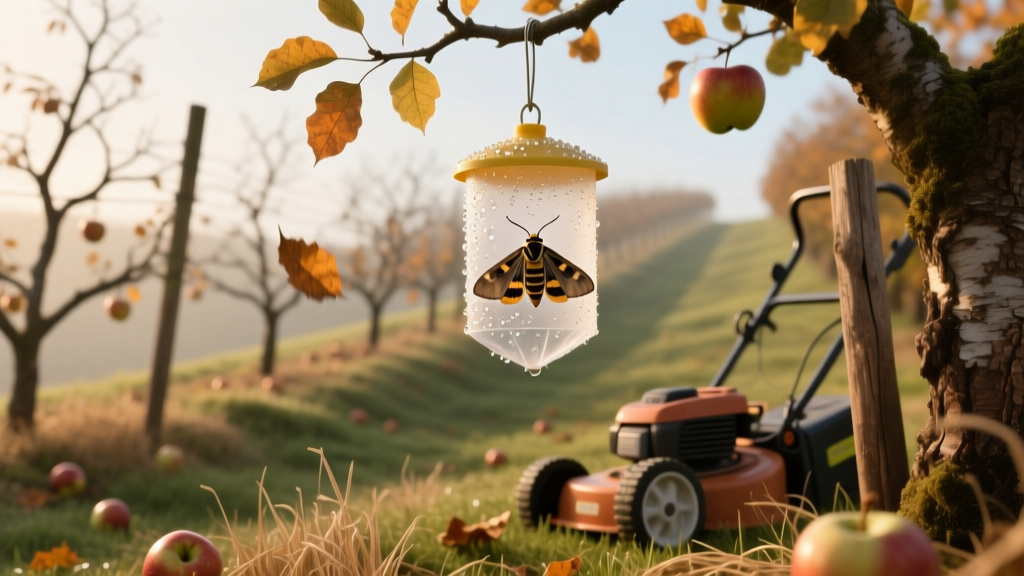
Codling Moth Pheromone Traps: Fall 2026 Orchard Guide
Emily WatsonPublished
The Intersection of Fall Lawn Care and Orchard Pest Management
When most homeowners think of fall lawn care, they envision raking leaves, aerating compacted soil, and applying winterizer fertilizers. However, for those who cultivate fruit trees in their home landscapes, autumn lawn maintenance is inextricably linked to pest control. As we navigate the 2026 growing season, integrated pest management (IPM) strategies have evolved to treat the orchard floor and the surrounding lawn as a single, interconnected ecosystem. Nowhere is this more critical than in the battle against the codling moth (Cydia pomonella), the primary culprit behind the infamous 'wormy apple.' Effective fall lawn care beneath your fruit trees is the first line of defense in disrupting their lifecycle.
The Codling Moth Lifecycle and the Fall Lawn Connection
To understand why fall monitoring and lawn sanitation are vital, you must understand the pest's lifecycle. Depending on your climate, codling moths produce two to three generations per year. The final generation of larvae matures in late summer and early fall. These larvae drop from the fruit—often falling directly onto your lawn or garden mulch—to seek protected overwintering sites. They crawl toward the base of the tree, hiding in bark crevices, leaf litter, and tall grasses near the trunk. If your fall lawn care routine leaves a thick layer of rotting fruit, fallen leaves, and overgrown grass around the drip line, you are inadvertently providing the perfect luxury hotel for overwintering pupae. By integrating targeted pheromone trap monitoring with aggressive autumn lawn sanitation, you can drastically reduce the spring 2027 emergence.
Why Pheromone Trap Monitoring Matters in Autumn 2026
While pheromone traps are most famous for their role in timing spring pesticide applications, their utility in the fall is frequently overlooked. Deploying pheromone traps in September and October serves a distinct and critical purpose: assessing the late-season flight. Monitoring the final generation's flight activity allows you to gauge the success of your summer IPM efforts and estimate the density of the overwintering population.
According to the University of California Agriculture and Natural Resources (UC ANR), tracking late-season moth catches helps homeowners decide whether aggressive fall sanitation and trunk banding will be sufficient, or if they need to plan for early spring biological controls. If your fall traps show a massive spike in male moth activity, it indicates a high volume of mating females laying the eggs that will become your overwintering larvae. This data transforms your fall lawn care from a guessing game into a targeted, data-driven eradication strategy.
Selecting the Right Pheromone Trap and Lure for Fall
Not all traps are created equal, and the 2026 market offers several advanced options for home orchardists. The standard wing trap is effective, but delta traps (like the Trece Pherocon VI) are generally preferred for fall monitoring because their enclosed design prevents the sticky insert from becoming clogged with autumn dust, falling leaves, and lawn debris blown by yard equipment.
For the lure, you must use a specific codling moth sex pheromone. In the fall, when moth populations are naturally declining and males are less active, upgrading to a 'Mega' or high-volume lure (which releases 3x to 10x the standard pheromone concentration) ensures you accurately capture the remaining late-season fliers. The Washington State University Tree Fruit Research and Extension Center notes that high-volume lures are particularly effective in competitive environments where wild females are still present, ensuring your trap remains attractive even late in the season.
Step-by-Step Fall Trap Deployment
To properly monitor the late-season flight, follow these deployment steps:
- Timing: Hang your traps in late August or early September, just before the anticipated late-summer flight begins in your hardiness zone.
- Placement: Hang the trap in the upper third of the tree canopy, approximately 6 to 7 feet off the ground. Ensure it is not obstructed by dense foliage, which can disrupt the pheromone plume.
- Maintenance: Check the trap weekly. Use a twig to remove any trapped moths, debris, or lawn clippings that may have blown into the sticky surface.
- Record Keeping: Keep a simple log of weekly catches. A sudden drop to zero in late October usually signals the end of the flight and the beginning of the overwintering phase.
Fall Lawn Sanitation: Disrupting the Overwintering Cycle
Once the larvae drop from the tree, they are highly vulnerable before they secure a overwintering cocoon. This is where your fall lawn care regimen becomes a lethal weapon against the codling moth. The area beneath the tree's canopy (the drip line) must be kept immaculately clean throughout September, October, and November.
- Fruit Removal: Never allow fallen apples or pears to sit on the grass. Larvae will exit the rotting fruit and immediately burrow into the soil or crawl to the trunk. Pick up dropped fruit daily and dispose of it in sealed municipal trash bins or feed it to livestock. Do not compost infested fruit, as home compost piles rarely reach the temperatures required to kill the larvae.
- Leaf Raking and Blowing: Fallen leaves provide excellent cover for crawling larvae. Use a high-powered leaf blower or a lawn sweeper to clear all debris from the orchard floor. Exposing the bare soil to the elements and to ground-foraging predators (like birds and beneficial beetles) significantly reduces larval survival rates.
- Mowing the Drip Line: Keep the grass under your fruit trees mowed short well into late fall. Tall grass provides a humid, protected microclimate that larvae prefer for pupation. A closely mowed lawn forces larvae to travel further to find shelter, increasing their exposure to predators and harsh autumn weather.
Trunk Banding: The Ultimate Fall IPM Strategy
Because the codling moth larvae must crawl up the trunk to find bark crevices for winter shelter, you can intercept them using trunk bands. In mid-September, wrap a strip of corrugated cardboard (about 4 inches wide) tightly around the trunk, about 2 to 3 feet above the ground. Ensure the flutes (the wavy inner layer) of the cardboard face the trunk, as the larvae will crawl into these tunnels to spin their cocoons.
In late November, after the fall lawn cleanup is complete and the first hard freezes have occurred, carefully remove the cardboard bands. You will find dozens, if not hundreds, of overwintering larvae trapped inside. Destroy the bands immediately by burning them or sealing them in heavy-duty plastic bags for the landfill. This single fall IPM technique can eliminate a massive percentage of next year's breeding population before they ever wake up.
2026 Pheromone Lure and Trap Comparison Chart
| Trap / Lure Type | Best Use Case | Lifespan (Field) | 2026 Est. Cost |
|---|---|---|---|
| Standard Wing Trap + 1x Lure | Early spring monitoring; low dust environments | 4-6 Weeks | $12 - $15 |
| Delta Trap + 1x Standard Lure | Mid-season; areas with heavy wind and lawn debris | 4-6 Weeks | $14 - $18 |
| Delta Trap + 3x Mega Lure | Fall monitoring; high competition from wild females | 8-10 Weeks | $22 - $28 |
| CM/DA Combo Lure (Pheromone + Kairomone) | Monitoring both males and females; excellent for fall population sizing | 6-8 Weeks | $30 - $35 |
Preparing Your Landscape for Winter Dormancy
As winter approaches, your final lawn care task is proper mulching. While mulch is excellent for soil moisture retention, piling it against the base of the fruit tree trunk (a common landscaping mistake known as 'volcano mulching') creates a warm, moist haven for overwintering pests and invites rodent damage. Keep all mulch and fallen leaves at least 6 inches away from the trunk base. By combining rigorous fall lawn sanitation, strategic trunk banding, and data-driven pheromone trap monitoring, you ensure that your 2026 autumn cleanup translates into a bountiful, pest-free harvest in the years to come.