Pest Control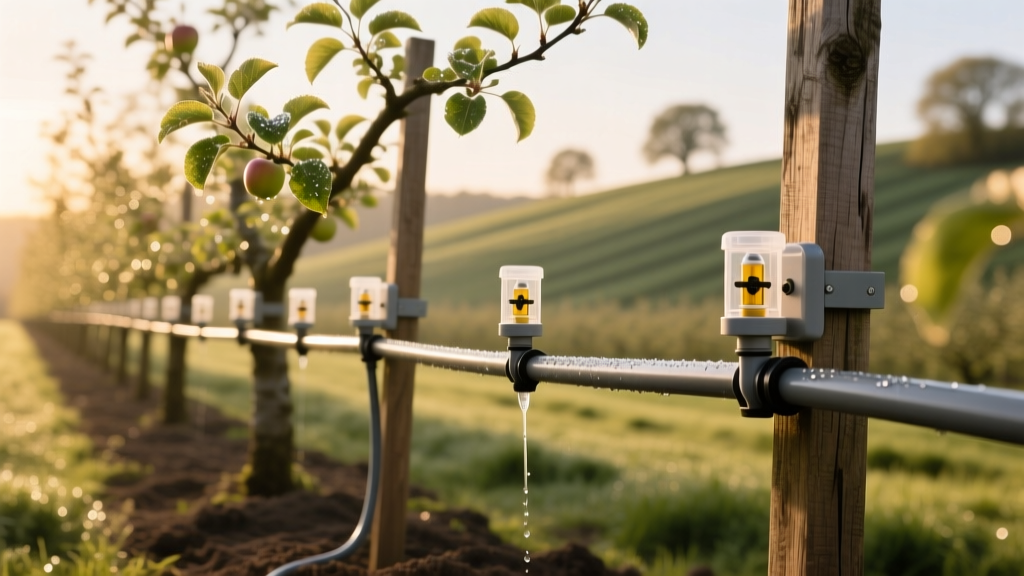
2026 Codling Moth Pheromone Traps & Irrigation Guide
James MillerPublished
Introduction to Codling Moth Monitoring in 2026
As home orchards and backyard fruit tree cultivation continue to surge in popularity throughout 2026, integrated pest management (IPM) has become a critical skill for gardeners. The codling moth (Cydia pomonella) remains the most destructive pest for apples, pears, and walnuts, infamous for leaving behind the dreaded 'worm in the apple.' To combat this, backyard growers and commercial orchardists alike rely heavily on pheromone trap monitoring to track male moth flights and time their interventions perfectly. However, a frequently overlooked variable in trap efficacy is your yard's sprinkler and irrigation system.
Many gardeners invest in high-quality 2026 pheromone lures and delta traps, only to find their monitoring data skewed or their traps destroyed. The intersection of water management and pest monitoring is a vital component of modern IPM. According to the Environmental Protection Agency (EPA), pheromones are highly specific tools that disrupt mating or trap targeted pests without harming beneficial insects. Yet, the physical and microclimatic effects of your irrigation system can severely compromise these tools if not properly managed.
The Hidden Link Between Irrigation and Pheromone Traps
Pheromone traps work by emitting a synthetic copy of the female codling moth's sex pheromone. This scent plume travels through the orchard canopy, attracting males into a sticky trap. The accuracy of this monitoring depends entirely on the consistent dispersion of the scent and the physical integrity of the trap's adhesive surface.
When you run overhead sprinklers or impact rotors, you introduce two major disruptive forces: high-velocity water impact and artificial humidity. High-pressure water droplets can physically batter the lightweight cardboard or plastic delta traps, knocking them from branches or washing away the specialized entomological adhesive designed to hold the moths. Furthermore, overhead irrigation creates a dense, humid microclimate within the tree canopy. This excessive moisture can alter the evaporation rate of the pheromone lure matrix, causing it to degrade prematurely or creating a 'scent shadow' that confuses the moths and reduces trap catch rates.
Evaluating Your Irrigation System for Orchard IPM
To maximize your pest monitoring efforts in 2026, it is essential to understand how different irrigation methods interact with your IPM strategy.
Overhead and Impact Sprinklers
Traditional impact sprinklers and overhead oscillating systems are the most problematic for pheromone monitoring. Because they broadcast water across the entire canopy, they inevitably saturate the traps. If you must use overhead sprinklers for frost protection or general watering, you will need to replace your pheromone lures and trap bottoms much more frequently—often every 10 to 14 days instead of the standard 3 to 4 weeks. Additionally, the constant wetting promotes fungal diseases like apple scab, which can defoliate the tree and expose your traps to direct UV sunlight, further degrading the pheromone lures.
Micro-Sprinklers and Sprayers
Micro-sprinklers offer a middle ground. By placing micro-sprinklers at the base of the tree and directing the spray pattern away from the lower canopy, you can maintain soil moisture while keeping the primary trap zones dry. In 2026, adjustable deflector heads on micro-sprinklers allow growers to precisely map their water distribution, ensuring that the southeast quadrant of the tree (the optimal zone for trap placement) remains untouched by direct spray.
Drip Irrigation and Subsurface Drip
Drip irrigation is the undisputed gold standard for fruit tree IPM in 2026. By delivering water directly to the root zone, drip systems keep the canopy entirely dry. This preserves the structural integrity of your pheromone traps, maintains a consistent pheromone plume dispersion, and drastically reduces the humidity that fosters fungal pathogens. A dry canopy ensures that your trap catch data is accurate, allowing you to make confident decisions about whether organic sprays like Spinosad or horticultural oils are actually necessary.
2026 Irrigation and Trap Compatibility Chart
| Irrigation Method | Canopy Moisture Level | Trap Interference Risk | 2026 IPM Recommendation |
|---|---|---|---|
| Overhead Impact Sprinklers | High (Full Saturation) | Severe (Adhesive wash-off) | Avoid; replace traps bi-weekly if unavoidable. |
| Oscillating Lawn Sprinklers | Moderate to High | High (Physical displacement) | Redirect spray patterns away from fruit trees. |
| Micro-Sprinklers | Low to Moderate | Moderate (Humidity alteration) | Use deflector shields; keep spray below 3 feet. |
| Surface Drip Lines | None (Canopy Dry) | Minimal | Highly recommended for accurate monitoring. |
| Subsurface Drip | None (Canopy Dry) | None | Optimal for commercial and serious home IPM. |
Smart Irrigation Controllers and Degree-Day Syncing
One of the most exciting advancements in 2026 is the integration of smart irrigation controllers with local degree-day tracking models. Codling moth development is strictly temperature-dependent. The University of California Agriculture and Natural Resources (UC ANR) emphasizes that tracking degree-days is the only reliable way to predict egg-laying periods and time your sprays or trap deployments accurately.
Modern smart controllers, such as the latest Rachio and Orbit B-hyve models, utilize hyper-local weather data to adjust watering schedules. During peak degree-day accumulations—when codling moth flights are heaviest and trees are under the most environmental stress—smart controllers can automatically initiate deep, slow drip watering cycles at night. This prevents drought stress, which is crucial because water-stressed trees emit specific volatile organic compounds (VOCs) that attract secondary pests like flatheaded borers and spider mites. By keeping the tree vigorously growing through precise drip irrigation, you allow the tree to naturally tolerate minor pest pressure while your pheromone traps monitor the primary codling moth threat.
Step-by-Step Trap Placement in Irrigated Zones
To ensure your irrigation system does not compromise your monitoring, follow these placement rules for your 2026 orchard setup:
- Height and Quadrant: Hang traps at eye level (approximately 5 to 6 feet high) in the southeast quadrant of the tree canopy. This area receives morning sun, which warms the trap and encourages pheromone volatilization, while avoiding the harshest afternoon UV rays.
- Sprinkler Clearance: Ensure a minimum 10-foot clearance between your pheromone traps and any impact sprinkler heads or micro-sprinkler emitters. If using drip lines, ensure the trap is not hanging directly over a pooling emitter to avoid splash-back mud ruining the adhesive.
- Wind and Airflow: Place traps where there is good airflow through the canopy. Pheromone plumes rely on air currents to travel. Stagnant, heavily shaded areas often coincide with poorly managed irrigation zones that suffer from high humidity.
- Lure Replacement Schedule: Under optimal dry conditions (drip irrigation), standard 10x lures last about 4 weeks. If your trees are subjected to overhead watering or high-humidity micro-sprinklers, reduce this replacement interval to 14 days to ensure the scent profile remains accurate.
Cost and Product Recommendations for 2026
Investing in the right monitoring gear is cost-effective compared to losing an entire apple harvest. In 2026, the Trece Pherocon VI delta trap remains a top choice for home growers, costing roughly $12 to $15 for a multi-pack of traps and a season's supply of lures. For those utilizing mating disruption alongside monitoring, Suterra CIDETRAK dispensers are widely available, though these are designed to confuse moths rather than trap them, and require a different placement strategy relative to your sprinkler zones.
Upgrading an older overhead sprinkler system to a targeted drip irrigation setup for a small backyard orchard of 5 to 10 trees typically costs between $150 and $300 in 2026. This investment pays for itself in a single season by preserving your pheromone monitoring supplies, reducing fungal disease treatments, and saving water.
Conclusion
Effective pest control in the home orchard is about managing the entire ecosystem, not just the pests themselves. By aligning your sprinkler and irrigation strategies with your pheromone trap monitoring, you create an environment where IPM tools can function exactly as designed. Transitioning to drip irrigation, utilizing smart controllers to manage tree stress during peak degree-days, and carefully placing your traps outside the splash zones will ensure your 2026 apple and pear harvests remain abundant, healthy, and entirely worm-free.