Gardening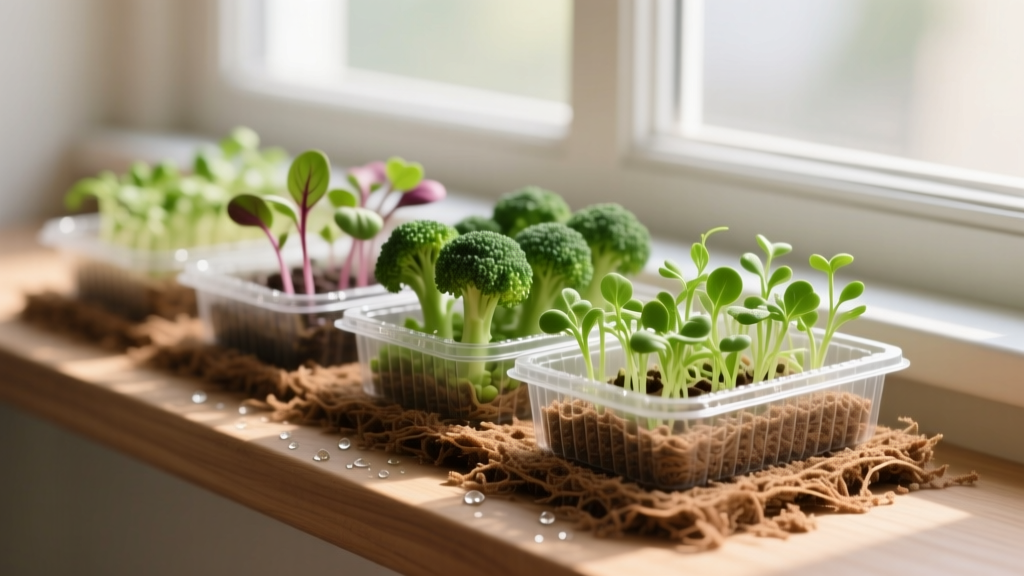
Best Micro-Mulch For Windowsill Microgreen Seed Trays In 2026
Anna KowalskiPublished
The Evolution of Indoor Mulching: Micro-Mulch for Seed Trays
When we think of mulching, we typically envision thick layers of cedar bark, straw, or composted leaves spread across outdoor garden beds to suppress weeds and retain soil moisture. However, as urban homesteading and indoor gardening have surged in 2026, the concept of mulching has been adapted for the micro-scale. Growing microgreens on a sunny windowsill using a dedicated seed tray kit presents unique environmental challenges. The shallow depth of a standard 1020 seed tray means the growing medium can dry out rapidly under direct window light or indoor heating vents, yet overwatering the surface can lead to the dreaded 'damping off' disease—a fungal issue that decimates young sprouts.
This is where 'micro-mulching' comes into play. Micro-mulching involves applying a very fine, sterile, and highly absorbent top-dressing to your seed tray kit. According to the University of Minnesota Extension, maintaining consistent moisture and proper air circulation are the two most critical factors in successful microgreen cultivation. A proper micro-mulch acts as a buffer, holding moisture against the soil surface while allowing the delicate cotyledons to push through without being weighed down or exposed to soil-borne fungal spores.
Why Mulch Microgreens in a Windowsill Kit?
Windowsill environments in 2026 are often subject to fluctuating temperatures and low humidity, especially during winter months when central heating is running. A seed tray kit placed on a south-facing sill can experience rapid evaporation. Applying a micro-mulch provides several distinct advantages:
- Moisture Buffering: Fine mulch materials act like a sponge, reducing surface evaporation and decreasing the frequency of misting required.
- Disease Prevention: By covering the bare soil or coco coir mat, you prevent soil splashing onto the edible stems of your microgreens during bottom-watering or overhead misting.
- Seed Anchoring: Some seeds, like basil or chia, produce a mucilaginous gel when wet. A light dusting of micro-mulch prevents these seeds from clumping together or washing away.
- Clean Harvests: When you cut your microgreens just above the soil line, a mulch layer ensures your scissors never accidentally snip up bits of the growing medium, keeping your harvest pristine.
Top Micro-Mulching Materials for 2026 Seed Trays
Not all mulches are created equal. You cannot use outdoor wood chips or heavy compost on a delicate tray of radish or sunflower microgreens. Below is a comparison chart of the best micro-mulching materials available for indoor seed tray kits this year.
| Material | Moisture Retention | Mold Resistance | 2026 Avg Cost (Per Quart) | Best Crop Type |
|---|---|---|---|---|
| Fine Vermiculite | High | Excellent | $6.50 | Brassicas, Radish |
| Coconut Coir Dust | Very High | Moderate | $4.00 | Sunflower, Pea Shoots |
| Hemp Hurd Fines | Moderate | High | $8.00 | Beets, Swiss Chard |
| Biochar Powder | Low | Excellent | $12.00 | Amaranth, Basil |
1. Fine Grade Vermiculite
Vermiculite is a naturally occurring mineral that expands when heated, creating lightweight, sterile granules. For microgreens, you must use 'fine grade' or 'seed starting' vermiculite. It is completely inert, meaning it will not introduce any fungal spores to your windowsill kit. Its high cation exchange capacity helps hold onto liquid nutrients if you are using a hydroponic fertilizer in your bottom-watering reservoir. Vermiculite is particularly excellent for fast-growing brassicas like broccoli and kale, which are prone to damping off if the soil surface remains too wet.
2. Coconut Coir Dust (Coir Pith)
While many seed tray kits use compressed coco coir mats as the primary growing medium, the fine dust (pith) left over from processing can be repurposed as a micro-mulch. As noted by the Old Farmer's Almanac, coir is highly regarded for its water-holding capacity. When used as a top dressing, coir dust creates a dark, aesthetically pleasing contrast against bright green microgreens. However, because it is organic, it must be kept from staying soggy, or it can harbor white mold. It is best used for heavy, deep-rooted crops like pea shoots or sunflower greens that require consistent hydration.
3. Hemp Hurd Fines
Hemp hurd is the woody inner core of the hemp plant. In 2026, sustainable hemp-based gardening products have become mainstream. When milled into fine particles, hemp hurd acts as a fantastic, lightweight micro-mulch. It contains natural silica and offers excellent aeration. Unlike coir, hemp hurd dries out relatively quickly on the surface, which creates a dry barrier that fungal gnats and mold spores detest, while the soil beneath remains moist. This makes it ideal for slower-growing, moisture-sensitive crops like beets and Swiss chard.
4. Biochar Powder
Biochar is charcoal produced from plant matter, used as a soil amendment. When ground into a fine powder, it serves as a highly specialized micro-mulch. Biochar is naturally alkaline and highly porous. It excels at absorbing excess surface moisture and neutralizing the acidic environments that certain fungi thrive in. Because it is jet black, it also absorbs heat from the windowsill sun, gently warming the soil surface and promoting faster germination for heat-loving crops like basil and amaranth.
Step-by-Step: Applying Micro-Mulch in Your Windowsill Kit
To get the most out of your seed tray kit, follow this precise application method to ensure your mulch aids rather than hinders germination.
- Prepare the Base Medium: Fill your 1020 seed tray (with drainage holes) with about 1 to 1.5 inches of your primary growing medium, such as a peat-perlite mix or a saturated coco coir mat. Level the surface gently with a tamper.
- Sow the Seeds: Broadcast your microgreen seeds evenly across the surface. Do not bury them; microgreens require light or surface contact to germinate properly.
- Apply the Micro-Mulch: Using a fine-mesh sieve or a shaker jar, dust a very thin layer (approximately 1/8th of an inch) of your chosen micro-mulch over the seeds. For vermiculite or biochar, you want the seeds to still be partially visible. For coir dust, a slightly heavier layer is acceptable.
- Initial Watering: Mist the surface gently with a fine spray bottle until the mulch is thoroughly dampened. Avoid heavy streams of water that will displace the mulch and the seeds beneath it.
- Blackout Phase: Place the humidity dome or a second, weighted tray over the seeds to create a dark, humid environment. The micro-mulch will hold the moisture against the seed coat, accelerating the germination process during the 2 to 4 day blackout period.
- Uncover and Grow: Once the seeds have rooted and pushed up the weight of the dome, remove it and move the tray to your sunniest windowsill or under your 2026 LED grow lights. The mulch will now serve as a protective barrier against evaporation.
Troubleshooting Damping Off and Mold with Mulch
Damping off is the bane of indoor microgreen growers. It presents as a pinched, water-soaked stem right at the soil line, causing the seedling to topple over and die. This is caused by soil-borne pathogens like Pythium and Rhizoctonia, which thrive in cool, wet, and poorly ventilated conditions. If you are experiencing damping off in your windowsill kit, your micro-mulching strategy needs adjustment.
First, switch to an inorganic mulch like fine vermiculite. Because vermiculite is heat-treated during manufacturing, it is guaranteed to be sterile. Second, ensure your windowsill has adequate airflow. A small, oscillating USB fan placed a few feet away from the seed tray kit will strengthen the stems and dry out the very top layer of the mulch, creating an inhospitable environment for fungal spores. Finally, always practice bottom-watering once the seeds have germinated. By pouring water into the bottom reservoir tray (the one without holes) and allowing the primary tray to wick moisture upward, you keep the micro-mulch layer relatively dry while the roots stay perfectly hydrated.
Conclusion
Adapting outdoor mulching methods for indoor microgreen seed tray kits is a game-changer for urban gardeners. By selecting the right micro-mulch—whether it is the sterile moisture retention of vermiculite, the sustainable aeration of hemp hurd, or the heat-absorbing properties of biochar powder—you can drastically improve your germination rates and harvest quality. As we continue to refine indoor growing techniques in 2026, these small-scale mulching strategies prove that the fundamental principles of garden care apply just as well on a sunny apartment windowsill as they do in a sprawling backyard garden.
