Gardening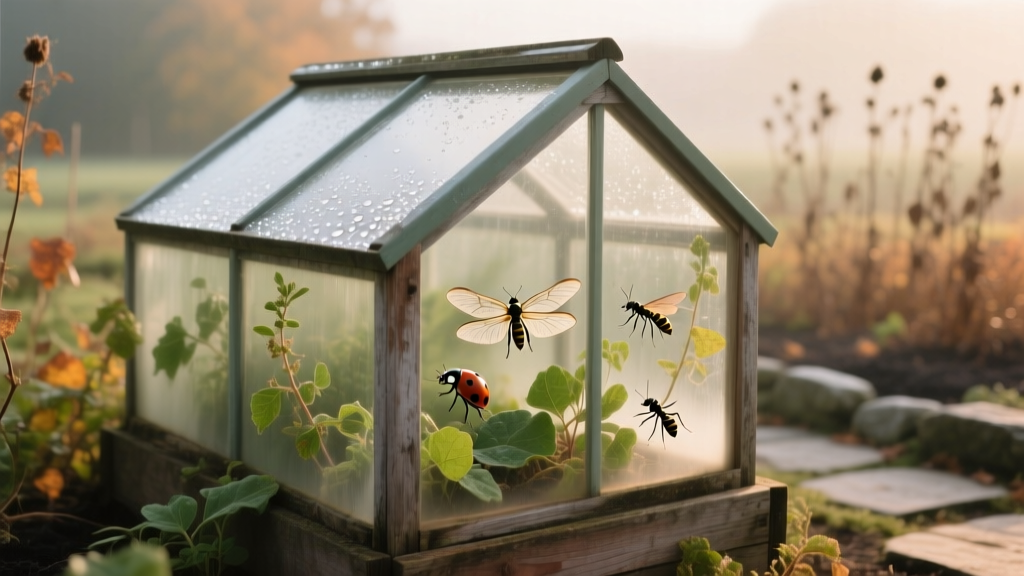
Cold Frame Bio-Control: Boosting Beneficial Insects in 2026
David ParkPublished
Introduction to Cold Frame Bio-Control in 2026
Cold frames have long been the unsung heroes of the home garden, providing an affordable and highly effective method for season extension in both the early spring and late fall. By capturing solar energy and shielding delicate crops from harsh winds and frost, these bottomless boxes allow gardeners to harvest cold-hardy greens, root vegetables, and early spring seedlings weeks or even months outside the traditional growing window. However, as we navigate the 2026 gardening season, a common challenge remains: the enclosed, protected environment of a cold frame is just as inviting to pests as it is to plants. Aphids, whiteflies, and fungus gnats can rapidly multiply in the sheltered microclimate, often outpacing the natural predator populations outside.
The most sustainable and effective solution to this problem is integrating biological control—commonly known as bio-control—directly into your cold frame management strategy. By intentionally introducing and overwintering beneficial insects, you can create a self-regulating ecosystem that keeps pest populations in check without the need for disruptive chemical sprays. This guide explores how to leverage your cold frame as a bio-control hub, ensuring your season extension efforts are both productive and ecologically balanced.
The Microclimate Advantage for Beneficial Insects
When you close the lid of a cold frame, you are not just trapping heat; you are creating a stable, humid microclimate that is highly conducive to the life cycles of many predatory insects. In the open garden, beneficial insects like green lacewings and parasitic wasps often struggle with fluctuating temperatures, heavy rains, and high winds, which can reduce their efficacy and lifespan. Inside a cold frame, these environmental stressors are mitigated.
According to the UC Statewide IPM Program, natural enemies require specific temperature and humidity ranges to successfully hunt, reproduce, and establish populations. The cold frame acts as a miniature greenhouse, maintaining the ambient humidity levels that predatory mites and parasitic wasps require to prevent desiccation. Furthermore, the physical barriers of the cold frame prevent flying beneficials from wandering off to neighboring properties, effectively concentrating their pest-control efforts exactly where you need them: on your overwintering spinach, kale, and early spring brassicas.
Designing the Cold Frame for Overwintering
To successfully utilize bio-control, you must provide a habitat that allows beneficial insects to survive the winter months and emerge early in the spring. Many native predators, such as ground beetles (Carabidae) and certain species of ladybugs, naturally seek out sheltered, dry areas to overwinter. You can engineer your cold frame to serve as an overwintering sanctuary by incorporating specific structural and material modifications in late fall.
- Beetle Banks and Straw Bundles: Place tightly rolled bundles of dry straw or hollow reed tubes in the back corners of the cold frame. These provide ideal crevices for ladybugs and solitary wasps to cluster and enter diapause.
- Leaf Litter Zones: Leave a 2-inch layer of dry, shredded oak or maple leaves in one corner of the frame. This mimics the forest floor and provides overwintering habitat for ground beetles and predatory rove beetles, which will hunt slug eggs and soil-dwelling pest larvae.
- Thermal Mass Integration: Placing dark, water-filled jugs along the north wall of the cold frame not only stabilizes nighttime temperatures for your plants but also prevents the interior from dropping to lethal freezing levels for overwintering insect eggs and pupae.
Top Bio-Control Agents for Cold Frame Crops
Not all beneficial insects are suited for the unique environment of a cold frame. You must select agents that thrive in cooler temperatures and enclosed spaces. Research from University of Minnesota Extension highlights the importance of matching the predator to the specific microclimate and pest pressure. Here are the top bio-control agents for cold frame gardening in 2026:
1. Parasitic Wasps (Aphidius colemani)
These tiny, non-stinging wasps are the ultimate cold-weather aphid assassins. They lay their eggs inside aphids, eventually turning the pest into a swollen, tan 'mummy.' Aphidius colemani is highly active at temperatures as low as 50°F (10°C), making it perfect for early spring and late fall cold frames where aphids frequently attack brassicas and lettuce.
2. Soil-Dwelling Predatory Mites (Stratiolaelaps scimitus)
Formerly known as Hypoaspis miles, this soil-dwelling mite is essential for cold frames used for seed starting in late winter and early spring. They patrol the top layer of the soil, voraciously consuming fungus gnat larvae, thrips pupae, and root aphids. Because they live in the soil, they are entirely unaffected by the ventilation routines required for the plant canopy.
3. Green Lacewings (Chrysoperla carnea)
Lacewing larvae are often called 'aphid lions' due to their insatiable appetites. They are generalist predators that will consume aphids, thrips, mealybugs, and small caterpillars. Releasing lacewing eggs or larvae in the early spring ensures a robust predator population is established just as pest populations begin to surge with the warming weather.
Spring and Fall Bio-Control Release Schedule
Timing your bio-control releases is critical. Releasing beneficials when temperatures are too low will result in high mortality, while releasing them after a pest explosion may not provide fast enough control. Below is a structured guide for 2026 cold frame applications, including current market estimates for purchasing these biological agents.
| Pest Target | Beneficial Insect | Ideal Release Temp | Best Application Time | 2026 Est. Cost |
|---|---|---|---|---|
| Aphids | Aphidius colemani (Parasitic Wasp) | 50°F - 75°F | Early Spring / Late Fall | $32 / 500 mummies |
| Fungus Gnats / Thrips | Stratiolaelaps scimitus (Soil Mite) | 55°F - 80°F | Seed Starting (Feb/Mar) | $28 / 10,000 mites |
| General Soft-Bodied Pests | Chrysoperla carnea (Lacewing Larvae) | 60°F - 85°F | Mid-Spring (April/May) | $25 / 1,000 larvae |
| Spider Mites | Phytoseiulus persimilis (Predatory Mite) | 60°F - 85°F (High Humidity) | Late Spring / Early Fall | $35 / 1,000 mites |
Managing the Cold Frame Environment for Predator Success
Introducing beneficial insects is only half the battle; maintaining an environment where they can thrive is equally important. Cold frames require active management to prevent conditions that could harm your bio-control agents.
Ventilation and Humidity Control
While predatory mites like Phytoseiulus persimilis require high humidity (above 60%) to prevent their eggs from drying out, excessive humidity can lead to fungal plant diseases like powdery mildew or botrytis. To balance this, vent your cold frame on sunny days when exterior temperatures rise above 45°F (7°C). Use automatic vent openers, which are widely available in 2026 for around $45, to ensure the lid cracks open during the heat of the day and closes securely at night, maintaining the humidity levels your beneficials need without suffocating your plants.
Avoiding Pesticide Disruptions
The most common mistake gardeners make is panicking at the first sign of pests and reaching for organic sprays. Even OMRI-listed pesticides like neem oil, insecticidal soaps, and spinosad can be highly toxic to beneficial insects. Spinosad, for instance, is notoriously lethal to bees and parasitic wasps. If you must use a targeted organic spray to knock down a severe aphid infestation before releasing beneficials, use a fast-degrading insecticidal soap, wait at least 48 hours, and then introduce your predators. Once your bio-control agents are established, rely on them exclusively.
Companion Planting Inside the Frame
To provide a steady food source for adult beneficial insects (which often require nectar and pollen to fuel their reproductive cycles), integrate insectary plants into your cold frame layout. Because space is at a premium in a standard 4x8 cold frame, choose low-growing, cold-tolerant companions.
- Sweet Alyssum: This low-growing annual thrives in the cool temperatures of early spring and late fall. Its tiny flowers are perfectly shaped for the short mouthparts of parasitic wasps and hoverflies.
- Cilantro and Dill: Allowing a few cilantro or dill plants to bolt and flower inside the cold frame provides excellent umbrella-shaped blooms that attract predatory wasps and ladybugs.
- Winter Blooming Violas: Not only do they provide a splash of color during the dreary late fall and early spring months, but they also offer vital pollen to early-emerging beneficials when little else is blooming.
Conclusion
As we look at the gardening strategies defining 2026, the integration of bio-control into season extension structures represents a massive leap forward for home growers. By viewing your cold frame not just as a plant protector, but as a controlled habitat for beneficial insects, you can drastically reduce pest pressure, eliminate the need for disruptive sprays, and foster a resilient, thriving micro-ecosystem. With careful planning, proper overwintering habitat preparation, and strategic releases of predators like Aphidius colemani and Stratiolaelaps scimitus, your cold frame will yield healthier, more robust harvests in both the spring and the fall.
