Gardening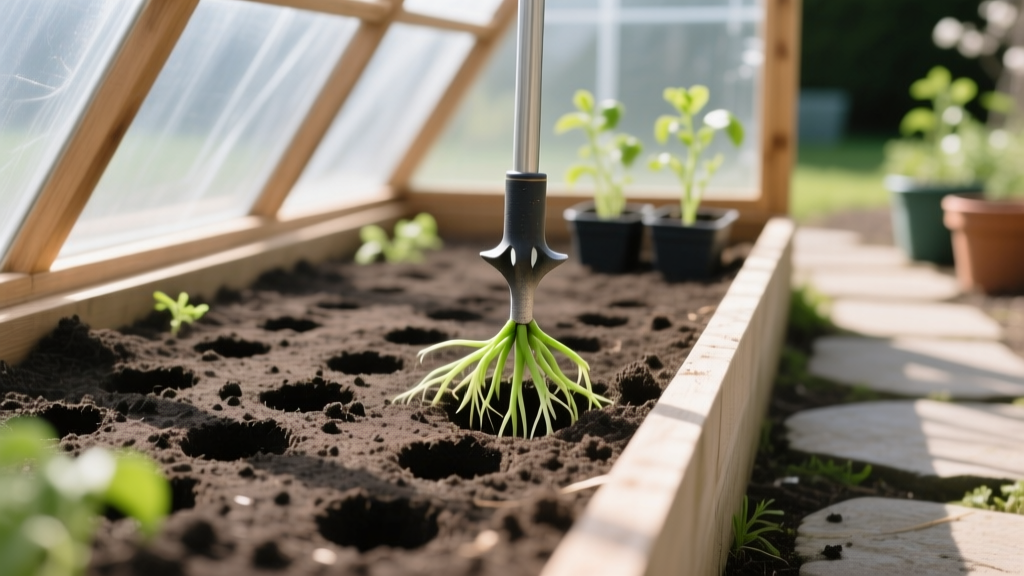
Cold Frame Season Extension 2026: Core Aeration Soil Prep
James MillerPublished
The Hidden Enemy of Season Extension: Soil Compaction
As we enter the 2026 gardening season, cold frames remain one of the most effective, low-tech methods for extending your growing window in both early spring and late fall. However, as a soil health and aeration specialist, I frequently see gardeners invest heavily in premium polycarbonate and cedar cold frames, only to be disappointed by stunted root growth, waterlogged soil, and poor crop yields. The culprit is rarely the cold frame itself; it is the severely compacted soil beneath it.
When you repeatedly walk around a cold frame to harvest, water, and vent the lids, the soil underneath bears the brunt of that foot traffic. Over time, this compresses the soil particles, destroying the vital macropores needed for oxygen exchange and water infiltration. According to the USDA Natural Resources Conservation Service, soil compaction restricts root penetration and drastically reduces the soil's ability to hold the very nutrients your cold-weather crops need to survive freezing temperatures. If you are planning to use a cold frame for season extension in 2026, core aeration is the non-negotiable first step to ensuring your soil is biologically and physically prepared.
Why Core Aeration is the 2026 Game-Changer for Cold Frames
Many gardeners confuse core aeration with spike aeration. Spike aeration simply pokes holes into the ground, which can actually worsen compaction by pushing soil particles laterally and compressing the walls of the hole. Core aeration, on the other hand, involves using hollow tines to physically extract small plugs of soil (typically 2 to 3 inches deep and 0.5 to 0.75 inches wide) from the ground.
By removing these plugs, you achieve three critical benefits for your cold frame environment:
- Enhanced Gas Exchange: Microbial activity in the soil consumes oxygen and releases carbon dioxide. In the enclosed environment of a cold frame, poor gas exchange can lead to anaerobic conditions that rot roots. Core aeration opens the soil profile to the air.
- Improved Water Infiltration: Cold frames trap moisture. Without adequate drainage, spring snowmelt and fall rains will pool inside the frame, creating a breeding ground for fungal diseases like damping-off. The holes left by core aeration act as micro-reservoirs that pull water deep into the subsoil.
- Topdressing Integration: The 2026 trend in organic gardening leans heavily on biological soil amendments. Core aeration allows you to work high-quality compost and mycorrhizal fungi directly into the root zone, rather than leaving them sitting on the surface.
Step-by-Step Guide: Aerating Your Cold Frame Base
To properly prepare your cold frame bed, timing and technique are everything. Follow this protocol for both spring and fall setups.
Step 1: Timing Your Aeration
For spring season extension, perform core aeration in late February or early March, roughly three weeks before you plan to set your cold frame in place. This allows the soil plugs to break down and the holes to be filled with compost before planting. For fall season extension, aerate in late August, immediately after clearing out your summer crops and before planting cold-hardy fall greens.
Step 2: Moisture Testing
Never aerate bone-dry soil, as the tines will not penetrate, and never aerate soaking wet soil, as you will tear the soil structure and create a muddy mess. The soil should be moist but crumbly. If your garden bed is too dry, water it deeply with a hose and wait 24 hours before aerating.
Step 3: Choosing the Right 2026 Equipment
Because cold frames are typically small (e.g., 4 feet by 8 feet), a massive gas-powered lawn aerator is useless here. In 2026, the market is dominated by manual step-aerators and compact, cordless electric core aerators. A high-quality manual foot-press core aerator with dual 3-inch hollow coring tubes is usually the most cost-effective and precise tool for the confined space of a cold frame bed. Ensure the tines are cleaned with a wire brush between passes to prevent soil buildup.
Step 4: The Aeration Pattern
Make two passes over the entire cold frame footprint. The first pass should be in a north-to-south direction, and the second pass east-to-west. This grid pattern ensures maximum hole density, aiming for roughly 15 to 20 holes per square foot. Leave the extracted soil plugs on the surface; they will break down naturally over the next two weeks, returning beneficial microbes to the topsoil.
Step 5: Topdressing and Raking
Immediately after aerating, spread a half-inch layer of premium screened organic compost over the entire bed. Use a stiff garden rake to aggressively work the compost into the aeration holes. This creates a perfect, well-draining, nutrient-dense column of soil for your taproots to exploit.
Top Cold Frame Crops That Thrive in Aerated Soil
Not all crops benefit equally from deep soil aeration. Shallow-rooted greens will survive in compacted soil, but true season extension relies on crops that can push deep roots into the subsoil to access geothermal warmth and stable moisture. The University of Minnesota Extension notes that proper soil preparation is the primary factor in overwintering root vegetables successfully.
| Crop Variety | Root Depth | Primary Aeration Benefit | 2026 Est. Seed Cost |
|---|---|---|---|
| Napoli Carrots | 8 - 12 inches | Prevents root forking; allows deep taproot penetration in heavy clay. | $4.50 / packet |
| Winter Density Lettuce | 4 - 6 inches | Improves surface drainage, preventing crown rot in freezing spring thaws. | $3.95 / packet |
| Mache (Corn Salad) | 3 - 5 inches | Enhances oxygen flow to fine feeder roots during low-light winter months. | $5.25 / packet |
| Red Russian Kale | 10 - 14 inches | Allows deep anchoring to withstand erratic 2026 late-winter wind storms. | $4.00 / packet |
| Rover Radishes | 4 - 6 inches | Creates loose soil pockets for rapid, uniform bulb expansion in early spring. | $3.50 / packet |
Managing Moisture and Temperature Post-Aeration
Once you have core aerated and topdressed your cold frame base, the hydrology of the bed will change dramatically. Because water now infiltrates the subsoil rather than pooling on the surface, you will need to adjust your watering habits. In early spring, the top inch of aerated soil may appear dry, while the root zone remains perfectly moist. Always use a soil moisture probe rather than relying on visual surface cues.
Furthermore, aerated soil warms up faster in the spring. The air pockets act as insulation at night but allow rapid solar heat absorption during the day. This means you must be hyper-vigilant about venting your cold frame lids on sunny days, even if the ambient outside air temperature is still near freezing. The internal soil temperature in an aerated, unvented cold frame can easily spike past 85°F (29°C) by mid-afternoon, which will bolt your spinach and scorch your lettuce.
Conclusion: The Foundation of a Successful Extended Season
Cold frames are fantastic tools for pushing the boundaries of your local hardiness zone, but they are only as effective as the soil beneath them. By adopting a core aeration protocol before setting up your frames for the 2026 spring and fall seasons, you eliminate the invisible barriers of compaction and poor drainage. You are not just protecting your plants from the cold; you are engineering a dynamic, breathing soil ecosystem that will support vigorous, deep-rooted growth long after the rest of the neighborhood has put their gardens to bed. Grab your manual coring tool, test your soil moisture, and build the foundation for your best extended harvest yet.
