Gardening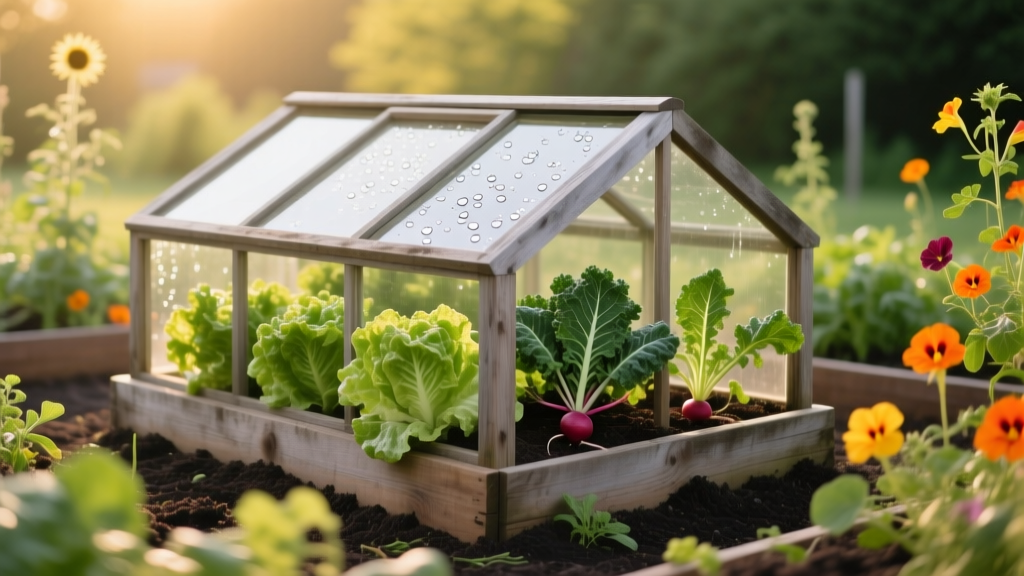
Cold Frame Foodscaping: 2026 Season Extension Guide
James MillerPublished
The Art of Edible Landscaping with Cold Frames
Edible landscaping, often referred to as foodscaping, is the practice of seamlessly integrating food-producing plants into your ornamental garden design. Rather than relegating vegetables to a hidden backyard plot, foodscaping treats edibles as first-class citizens in the landscape, utilizing their textures, colors, and forms to create stunning visual interest. As we navigate the shifting climate zones and unpredictable weather patterns of 2026, season extension has become a critical component of the modern foodscape. Enter the cold frame: a transparent-roofed, low-to-the-ground structure that acts as a miniature greenhouse. When designed with intention, cold frames do more than just protect your crops from frost; they serve as striking architectural elements that anchor your garden design while providing fresh harvests from early spring straight through to late fall and even winter.
Strategic Placement and Landscape Integration
In traditional gardening, cold frames are often shoved into a forgotten corner of the yard. In a foodscape, however, placement is everything. To maximize both solar gain and aesthetic appeal, your cold frame should be positioned against a south-facing wall or fence. This provides a thermal mass backdrop that absorbs heat during the day and radiates it back into the frame at night. From a design perspective, a brick or stone-backed cold frame can act as a beautiful transitional element between your hardscaping and your garden beds.
Consider lining your main garden pathways with a series of low-profile, polycarbonate cold frames. This creates a structured, formal look reminiscent of classic European potagers, while simultaneously allowing you to grow low-lying ornamental edibles like 'Ruby Streaks' mustard or vibrant rainbow chard right at eye level. By treating the cold frame as a raised planter with a seasonal lid, you elevate it from a mere utility to a core landscape feature.
Selecting Materials for Aesthetic and Functional Harmony
The materials you choose for your cold frame will dictate both its longevity and its visual impact on your foodscape. In 2026, gardeners have access to a wide array of sustainable and high-performance materials. Below is a comparison of the most popular cold frame materials to help you match your structure to your landscape design.
| Material | Aesthetic Appeal | Durability & Lifespan | 2026 Avg. Cost (4x8 ft) |
|---|---|---|---|
| Western Red Cedar | High; natural, blends with organic gardens | 10-15 years (rot-resistant) | $400 - $650 |
| Corrugated Corten Steel | Modern, industrial; develops rustic patina | 20+ years (highly durable) | $700 - $950 |
| Recycled Brick/Stone | Classic, permanent; matches hardscaping | Lifetime (permanent fixture) | $300 - $500 (materials) |
| Twin-Wall Polycarbonate | Sleek, contemporary; high light transmission | 10-15 years (UV treated) | $250 - $450 |
For a seamless foodscape, consider building the base of your cold frame out of the same stone or brick used in your home's exterior or your garden's retaining walls. Topping a masonry base with a hinged, twin-wall polycarbonate lid offers superior insulation while maintaining a clean, custom-built appearance. For authoritative guidance on constructing durable garden structures, the Royal Horticultural Society Garden Structure Guides offer excellent foundational advice on weatherproofing and material selection.
Spring Season Extension: Jumpstarting the 2026 Foodscape
Spring in many regions is characterized by fluctuating temperatures, late frosts, and cold, wet soil that delays seed germination. A cold frame allows you to bypass these limitations, warming the soil and creating a stable microclimate up to 15°F warmer than the outside air. By late February or early March, you can begin direct sowing cold-hardy crops directly into the cold frame soil.
Top Spring Crops for the Foodscape Cold Frame
- Spinach (Spinacia oleracea): Varieties like 'Macho' or 'Bloomsdale' thrive in the cool, protected environment of a spring cold frame. Their dark green, crinkled leaves provide a lush, textured groundcover.
- Radishes (Raphanus sativus): 'French Breakfast' or 'Watermelon' radishes mature in under 30 days. Their vibrant colors and rapid growth make them an excellent, rewarding early-season crop.
- Ornamental Kale and Cabbage: While technically edible, varieties like 'Redbor' or 'Chidori' are grown primarily for their striking, ruffled foliage, adding deep purples and creamy whites to your early spring landscape.
- Peas (Pisum sativum): Dwarf varieties like 'Tom Thumb' can be sown early in the frame and will produce edible tendrils and small pods before the heat of summer sets in.
To ensure success, prepare your cold frame soil in the late fall. Incorporate a generous amount of well-aged compost and a balanced organic fertilizer. According to the University of Minnesota Extension Vegetable Resources, maintaining high organic matter in your soil is crucial for moisture retention and nutrient availability during the rapid growth phases of early spring crops.
Fall and Winter Harvests: Keeping the Landscape Productive
As autumn approaches and the main garden begins to die back, your cold frame takes center stage. Transitioning your cold frame from a spring starter to a fall/winter harvester requires a shift in crop selection and management. The goal in fall is not necessarily to promote new growth, but to mature plants to a harvestable size before daylight hours drop below 10 hours per day, a period often referred to as the 'Persephone Period'.
Sow your fall crops in mid-to-late summer, utilizing shade cloth over the cold frame to keep the interior cool during germination. Once the autumn chill sets in, remove the shade cloth and rely on the transparent lid to trap solar heat.
Top Fall and Winter Crops
- Mache (Corn Salad): This incredibly cold-hardy green forms small, delicate rosettes that can be harvested continuously throughout the winter.
- Claytonia (Miner's Lettuce): A succulent, mild-tasting green that thrives in the low-light, cool conditions of a winter cold frame.
- Carrots: Varieties like 'Napoli' or 'Yaya' become exceptionally sweet when exposed to cold temperatures. The cold frame prevents the ground from freezing solid, allowing you to dig up fresh carrots well into December and January.
For deep-dive strategies on timing and variety selection, the Johnny's Selected Seeds Growers Library remains an indispensable, industry-leading resource for season extension techniques and cold-hardy cultivar recommendations.
Soil Preparation and Thermal Mass Techniques
The soil inside your cold frame is the engine that drives your season extension. Because the frame is a closed environment, nutrients are not washed away by heavy rains, but salts can build up over time. Flush the soil annually by leaving the lid open during heavy summer rains, or apply a deep watering with the lid removed. Top-dress with an inch of premium compost before every new planting cycle.
To stabilize temperatures and prevent deadly nighttime freezes, incorporate thermal mass into your cold frame design. The simplest method is to place five-gallon buckets or large glass jugs painted matte black inside the frame. These water-filled containers absorb solar radiation during the day and slowly release heat at night, buffering the internal temperature swings and protecting your delicate edibles.
Smart Technology and Automation for 2026
Managing a cold frame requires diligence, particularly regarding ventilation. On a sunny spring day, the interior of a closed cold frame can quickly exceed 100°F, cooking your carefully tended seedlings. In 2026, manual venting is a thing of the past for serious foodscapers. Solar-powered and wax-cylinder automatic vent openers are now standard, affordable additions.
Devices like the Bayliss MK7 Autovent utilize a wax-filled cylinder that expands as the temperature rises, automatically pushing the cold frame lid open without the need for electricity or batteries. As the temperature drops in the evening, the wax contracts, and the weight of the lid gently closes the frame. Integrating these automated openers ensures your plants are protected from both frost and heat stress, even if you are away from home during the day. Furthermore, modern smart garden sensors can be placed inside the frame to monitor soil moisture and ambient temperature, sending alerts directly to your smartphone.
Conclusion
Cold frame foodscaping represents the perfect marriage of form and function. By thoughtfully integrating these structures into your edible landscape, you transform a simple season-extension tool into a year-round focal point of beauty and productivity. Whether you are harvesting sweet winter carrots in January or admiring the vibrant foliage of ornamental kale in early April, a well-designed cold frame ensures that your foodscape remains dynamic, resilient, and abundantly productive throughout the entirety of 2026 and beyond.
