Gardening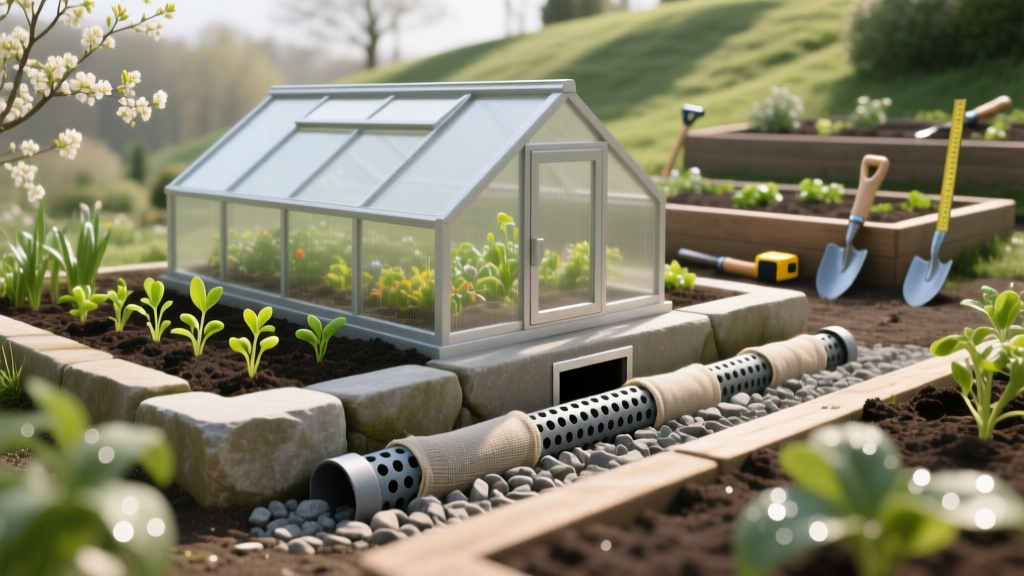
Cold Frame French Drain Setup For 2026 Season Extension
Lisa ThompsonPublished
Protecting Your 2026 Season Extension: The Cold Frame French Drain Guide
As we navigate the dynamic weather patterns of 2026, home gardeners are increasingly relying on cold frames to push the boundaries of the traditional growing season. Whether you are eager to harvest crisp spinach in early April or nurture hardy mache well into late November, a cold frame is an indispensable tool for season extension. However, the very structure that protects your plants from frost can also become their undoing if moisture is not properly managed. Spring snowmelt and heavy autumn deluges frequently pool around the base of garden structures, leading to waterlogged soil, root rot, and compromised structural integrity. The most effective, long-term solution to this pervasive problem is the strategic installation of a French drain system tailored specifically for your cold frame setup.
Understanding the Microclimate and Moisture Trap
A cold frame operates by trapping solar radiation and insulating the soil beneath it. While this is excellent for temperature regulation, it also creates a unique moisture dynamic. During the spring thaw, the ground outside the frame may still be frozen or saturated, preventing natural percolation. Meanwhile, the soil inside the frame thaws earlier, drawing in surrounding groundwater. Furthermore, the interior walls of the cold frame constantly generate condensation, which drips down and accumulates in the soil. According to the Old Farmer's Almanac, managing this internal and external moisture is critical to preventing fungal diseases and ensuring robust root development during the vulnerable shoulder seasons. Without an escape route for this excess water, your cold frame essentially becomes a shallow, muddy bathtub.
Why a French Drain is the Ultimate Solution
Unlike simple surface grading, which can wash away mulch and topsoil during heavy 2026 rainstorms, a French drain intercepts subsurface water and redirects it safely away from your growing area. By installing a perforated pipe surrounded by washed gravel and encased in landscape fabric, you create a high-capacity underground channel. This system relieves hydrostatic pressure against the cold frame walls and lowers the water table immediately beneath your root zones, ensuring your soil remains friable and oxygen-rich.
Materials and 2026 Cost Breakdown
Before breaking ground, you must gather the appropriate materials. In 2026, supply chain stabilizations have made high-quality drainage components more accessible and affordable for residential gardeners. Here is what you will need for a standard 4-foot by 8-foot cold frame perimeter drain:
- Perforated Drainage Pipe: 24 linear feet.
- Non-Woven Geotextile Fabric: 30 square feet (commercial grade, 3oz to 4oz).
- Washed Crushed Stone: 3/4-inch gravel, approximately 0.5 tons.
- Landscape Edging or Wooden Stakes: To secure the fabric.
Estimated 2026 Costs: Rigid Schedule 40 PVC pipe averages $1.75 per foot, while flexible corrugated pipe is around $0.90 per foot. Washed gravel typically costs $60 per ton, and commercial landscape fabric runs about $0.65 per square foot. Expect to spend between $120 and $180 for a complete, professional-grade perimeter drain for a single cold frame.
Comparing Drainage Pipe Options
Choosing the right pipe is critical for longevity. Here is a comparison of the top three options available in 2026:
| Pipe Type | Material | Pros | Cons | Best Use Case |
|---|---|---|---|---|
| Schedule 40 PVC | Rigid Plastic | Extremely durable, easy to flush, maintains perfect slope | Higher cost, requires fittings for corners | Permanent, high-traffic garden beds |
| Corrugated Slotted | Flexible Plastic | Cheap, easy to bend around curves, lightweight | Prone to crushing, difficult to clean, sags | Temporary setups or low-budget projects |
| EZ-Drain Gravel-Free | Polystyrene Aggregate | No heavy gravel required, lightweight, fast installation | Higher upfront cost, requires strict fabric wrapping | Raised beds where weight is a concern |
Step-by-Step Installation Guide
Step 1: Trenching and Slope Calculation
Dig a trench around the exterior perimeter of your cold frame, keeping it approximately 6 inches away from the wooden or polycarbonate walls. The trench should be 12 inches wide and 18 inches deep. The most crucial aspect of this step is establishing a proper slope. The University of Minnesota Extension recommends a minimum slope of 1 inch per 8 feet (or 1 percent grade) to ensure gravity effectively moves the water. Use a string line and a line level to verify your grade, directing the outflow toward a safe discharge area like a dry well, a storm drain, or a lower-elevation rain garden.
Step 2: Lining the Trench
Line the trench with your non-woven geotextile fabric. Do not use woven fabric, as it is designed for weed suppression and will quickly clog with fine soil particles, rendering your drain useless. Leave at least 12 inches of excess fabric hanging over the edges of the trench so you can wrap it completely over the gravel later.
Step 3: Adding the Base Gravel
Pour a 2-to-3-inch layer of 3/4-inch washed crushed stone into the bottom of the trench. Rake it smooth and verify your slope once again. Never use pea gravel or river rock; the smooth, rounded stones compact poorly and do not provide the necessary void spaces for water to flow freely.
Step 4: Pipe Placement
Lay your perforated pipe on top of the base gravel. If you are using rigid PVC, ensure the perforations are facing downward. This counterintuitive placement forces water to rise into the pipe from the bottom, preventing soil and silt from washing directly into the holes and clogging the system. Connect your corners using PVC sweep fittings rather than sharp 90-degree elbows to maintain smooth water flow and allow for future snaking.
Step 5: Covering and Backfilling
Cover the pipe with another 4 to 6 inches of washed gravel, ensuring the pipe is completely buried. Fold the excess landscape fabric over the top of the gravel, creating a complete wrap. This prevents surrounding soil from migrating into the gravel bed. Finally, backfill the remaining 4 to 6 inches of the trench with native topsoil and cover with mulch or sod to blend seamlessly into your 2026 landscape design.
Spring and Fall Planting Strategies in Drained Frames
With your French drain successfully managing subsurface moisture, your cold frame soil will be perfectly aerated and ready for intensive season extension. In the early spring, the well-drained soil warms up significantly faster than waterlogged earth. Take advantage of this by direct-sowing cold-hardy crops like radishes, arugula, and claytonia as early as late February or early March, depending on your hardiness zone. The dry, friable soil prevents seed rot, a common failure point in poorly drained frames.
As autumn approaches, the French drain protects your late-season crops from the heavy, cold rains of October and November. This is the ideal environment for overwintering crops. Plant garlic cloves, sow spinach for early spring harvest, and transplant hardy lettuces like 'Winter Density'. Because the soil is not saturated, the roots can establish themselves deeply before the ground freezes, resulting in a much more vigorous burst of growth when the days begin to lengthen in late winter.
Long-Term Maintenance for 2026 and Beyond
A properly installed French drain is largely maintenance-free, but a few annual checks will guarantee its performance. In late winter, before the spring thaw begins, inspect the discharge outlet to ensure it is free of debris, ice dams, or rodent nests. Every three to five years, consider flushing the PVC pipe with a garden hose or a specialized drain-cleaning bladder to clear any accumulated silt or mineral deposits. By integrating a French drain into your cold frame infrastructure, you are not just solving a drainage problem; you are investing in a resilient, high-yield gardening system that will serve you reliably through the unpredictable seasons of 2026 and far into the future.
