Gardening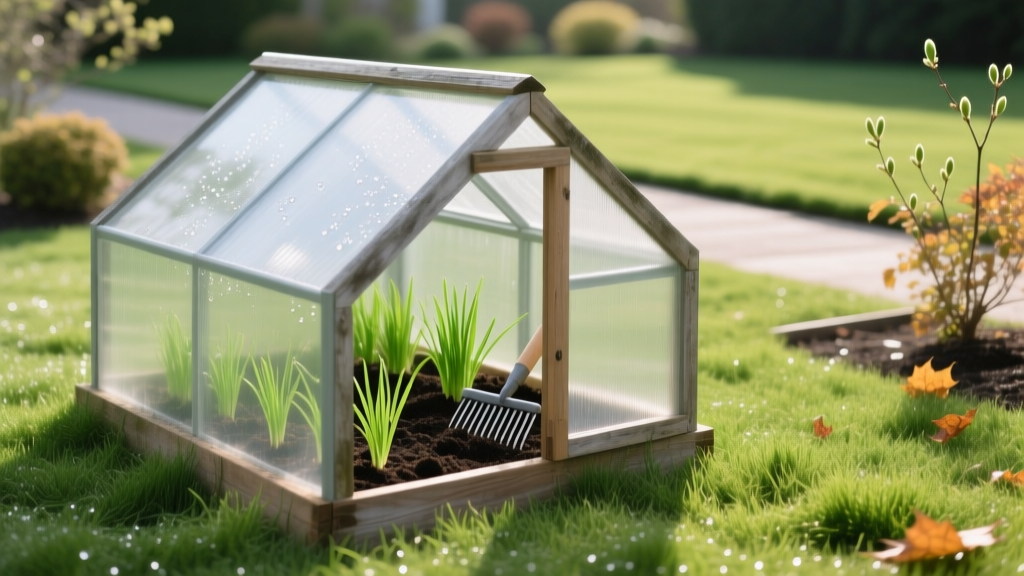
Cold Frame Season Extension: Aeration & Seeding 2026
Mike RodriguezPublished
The Untapped Potential of Cold Frames for Turfgrass and Cover Crops
When most home gardeners think of cold frames, they immediately picture extending the vegetable harvest or hardening off tomato seedlings. However, in 2026, a growing movement among advanced landscaping enthusiasts and turf managers is leveraging cold frame technology for a completely different purpose: season-extending lawn aeration and precision seeding. Whether you are trying to repair a damaged patch of cool-season turf, establish a new lawn in early spring, or sow a protective winter cover crop over garden beds, the microclimate created by a cold frame is a game-changer.
Cool-season grasses like Tall Fescue, Kentucky Bluegrass, and Perennial Ryegrass require specific soil temperatures to trigger germination and deep root establishment. By combining core aeration techniques with the thermal trapping properties of modern polycarbonate cold frames, you can successfully seed your lawn or garden beds weeks before the traditional spring window, or rescue bare patches long after the first autumn frost.
Why Aerate and Seed Inside a Cold Frame?
The primary barrier to early spring or late fall seeding is soil temperature. Grass seeds generally require consistent soil temperatures between 50°F and 65°F to germinate effectively. In early March or late November, ambient air temperatures in most northern and transitional climate zones are far too low to support this process. According to the University of Minnesota Extension, a well-positioned cold frame can raise internal soil temperatures by 10°F to 15°F above the outside ambient temperature, effectively shifting your hardiness zone by several degrees.
Furthermore, the Penn State Extension emphasizes that core aeration is critical for breaking up compacted soil, allowing oxygen, water, and nutrients to reach the root zone. When you aerate the soil inside a cold frame, you create the perfect, protected environment for seeds to fall into the aeration holes, ensuring unparalleled seed-to-soil contact while shielding the vulnerable seedlings from harsh winds, frost heave, and seed-eating birds.
Step-by-Step Cold Frame Turf and Cover Crop Protocol
To successfully execute a cold frame aeration and seeding project in 2026, follow this detailed protocol designed for maximum germination rates.
1. Site Selection and Frame Placement
Choose a south-facing area of your lawn or garden bed that receives maximum solar exposure. Position your cold frame directly over the bare or thinning patch. Modern 2026 models, such as the Exaco BioTop or the Gardeners Supply Company BioTop Cold Frame, feature UV-stabilized twin-wall polycarbonate panels that diffuse harsh direct sunlight while trapping infrared heat. Ensure the frame sits flush against the ground to prevent heat escape and block cold drafts.
2. Micro-Core Aeration
Before seeding, you must relieve soil compaction. For the small, confined footprint of a cold frame, heavy gas-powered aerators are impractical. Instead, use a high-quality manual foot aerator, such as the Yard Butler Lawn Coring Aerator. Target depth is crucial: push the coring tubes down to extract 3-inch soil plugs. Space your aeration holes roughly 2 to 3 inches apart across the entire interior of the frame. Leave the extracted soil plugs on the surface; they will break down and act as a natural topdressing when you water.
3. Precision Seeding and Topdressing
Select a premium seed mix suited for your region. In 2026, many top-tier seeds feature advanced hydro-coatings that retain moisture—a massive advantage in the enclosed environment of a cold frame. Apply the seed at the recommended rate (typically 5 to 6 pounds per 1,000 square feet for Tall Fescue). Use a stiff push broom or a specialized lawn drag mat to work the seeds down into the aeration holes. This guarantees the seed-to-soil contact necessary for germination.
4. Thermal Management and Venting
This is the most critical step. A closed cold frame on a sunny 45°F day can easily exceed 90°F inside, which will cook your newly germinated seeds or foster damping-off fungus. You must vent the frame daily. Open the lid partially during peak sunlight hours (10 AM to 3 PM) to allow for air circulation and humidity release, and close it tightly before sunset to trap the day's residual heat.
2026 Cold Frame Seeding Schedule and Data
Use the following schedule to plan your season-extension aeration and seeding projects. This data assumes the use of a standard twin-wall polycarbonate cold frame in a transitional climate zone (e.g., USDA Zones 5-7).
| Season | Ambient Air Temp | Estimated Soil Temp (Inside Frame) | Recommended Action | Expected Germination Time |
|---|---|---|---|---|
| Early Spring (March) | 35°F - 45°F | 50°F - 58°F | Core aerate and overseed cool-season turf | 14 - 21 Days |
| Mid Spring (April) | 45°F - 55°F | 60°F - 68°F | Vent frame heavily; transition to mowing | 7 - 14 Days |
| Late Fall (October) | 40°F - 50°F | 55°F - 62°F | Aerate and seed winter rye cover crops | 5 - 10 Days |
| Early Winter (Nov) | 25°F - 35°F | 40°F - 48°F | Dormant seeding (seed waits for spring) | N/A (Spring Sprout) |
Recommended 2026 Gear for Micro-Climate Seeding
To ensure success, invest in the right tools for this specialized technique:
- Manual Core Aerator: Yard Butler Lawn Coring Aerator (Ideal for tight spaces inside frames).
- Cold Frame: Exaco BioTop Cold Frame with automatic wax-cylinder vent openers (Prevents overheating when you aren't home).
- Seed: Scotts Turf Builder Grass Seed Tall Fescue Mix with WaterSmart PLUS coating.
- Soil Thermometer: A digital probe thermometer to monitor the exact soil temperature beneath the surface.
- Watering Can: A gentle rosette watering can to avoid washing seeds out of the aeration holes.
Troubleshooting Common Cold Frame Seeding Issues
Even with the best preparation, the unique microclimate of a cold frame can present challenges. Here is how to handle them in 2026:
Fungal Growth and Damping Off
High humidity and poor airflow are the enemies of young seedlings. If you notice white fuzz on the soil surface or seedlings collapsing at the base, you are dealing with damping off. Solution: Increase venting time, reduce watering frequency, and apply a light dusting of organic cinnamon powder or a copper-based fungicide to the soil surface.
Seed Washout During Watering
Because the soil inside a cold frame doesn't receive natural, gentle rainfall, manual watering can sometimes be too aggressive, washing seeds out of their carefully placed aeration holes. Solution: Always use a watering wand with a misting nozzle or a traditional rosette watering can. Water lightly twice a day rather than soaking the soil once a day.
Wind Damage to the Frame
Early spring and late fall are notorious for high winds, which can catch the lid of a cold frame like a sail and rip the hinges off. Solution: Use heavy stones or specialized ground anchors to secure the base, and install a heavy-duty latch or bungee cord to keep the lid secured when closed during storms.
Expert Tips for Long-Term Success
'The key to successful season-extension seeding is patience. The cold frame buys you the thermal energy required for germination, but the roots still need time to anchor before you remove the protective cover. Gradually acclimate the new grass or cover crop to the outside environment over a period of 7 to 10 days by leaving the lid open for increasingly longer periods.'
By integrating cold frames into your lawn and garden bed maintenance routine, you are no longer at the mercy of the calendar. The combination of deep core aeration, premium seed selection, and controlled thermal environments allows you to cultivate lush, resilient turf and robust cover crops well outside the traditional growing season. Embrace these 2026 techniques, and your landscape will be the envy of the neighborhood long before the official start of spring.
